Electric Kettle Uses: Smart Ways to Simplify Your Daily Routine
Published: 19 Oct 2025
Ever thought your electric kettle was just for boiling water? Think again! There are plenty of electric kettle uses that can simplify your daily routine — from making quick meals to clever cleaning tricks. This little appliance is faster than your stove and smarter than you think. Let’s see how to make the most of it (and maybe laugh a little along the way).
Table of Contents
Getting Started: What an Electric Kettle Really Does
An electric kettle is one of those “set it and forget it” gadgets. Plug it in, press the button, and boom — hot water in under two minutes. Inside, a heating coil sits under the base. When powered, it quickly transfers heat to the water above.
What makes it great? Energy efficiency and speed. Plus, most models have an automatic shut-off, so no more “Oops, I left the stove on” moments.
Step-by-Step Guide: Everyday Uses of an Electric Kettle
When it comes to Electric Kettle Uses, you’ll be surprised how versatile this little appliance can be. Let’s look at some creative and practical ways to make your mornings (and nights) smoother.
1. Boil Water for Tea or Coffee
The classic use — but oh, the convenience! Whether it’s black tea, green tea, or instant coffee, your kettle saves you from waiting ages on the stove.
💡 Pro Advice: Use filtered water for better taste.
2. Make Instant Soups, Oats, or Noodles
Late-night hunger? The kettle’s got you. Just pour hot water into your instant noodles or oatmeal cup. You’ll eat faster than your friend who’s still finding a clean pot.
3. Heat Water for Baby Bottles
Parents love this hack. Kettles heat water quickly and evenly — no microwave guesswork. Just make sure to let it cool before mixing the formula. Safety first!
4. Prepare Hot Beverages on Busy Mornings
Need that herbal tea before a meeting? With one click, you’ve got boiling water ready. Add your favorite flavor, and you’re good to go.
(Also, your kettle never complains about Mondays. Can your boss say the same?)
5. Quick Sterilization for Utensils or Cups
Pour boiling water over your utensils, cups, or even baby spoons. It helps kill germs in seconds — great for quick cleaning when you’re short on time.
Creative & Uncommon Uses
Let’s get a bit more inventive. Ever used your kettle to melt butter? Or for skincare? Yep, you read that right.
- Melt butter or chocolate: The gentle heat helps you avoid burnt chocolate disasters.
- Steam towels for skincare: Pour hot water, soak a towel, and enjoy a DIY spa session.
- Make simple meals: Rice noodles, boiled eggs, or instant mashed potatoes — all possible with some patience and a good pour.
Just don’t try cooking pasta for a family of four in there — your kettle didn’t sign up for that job!
Cleaning & Maintenance
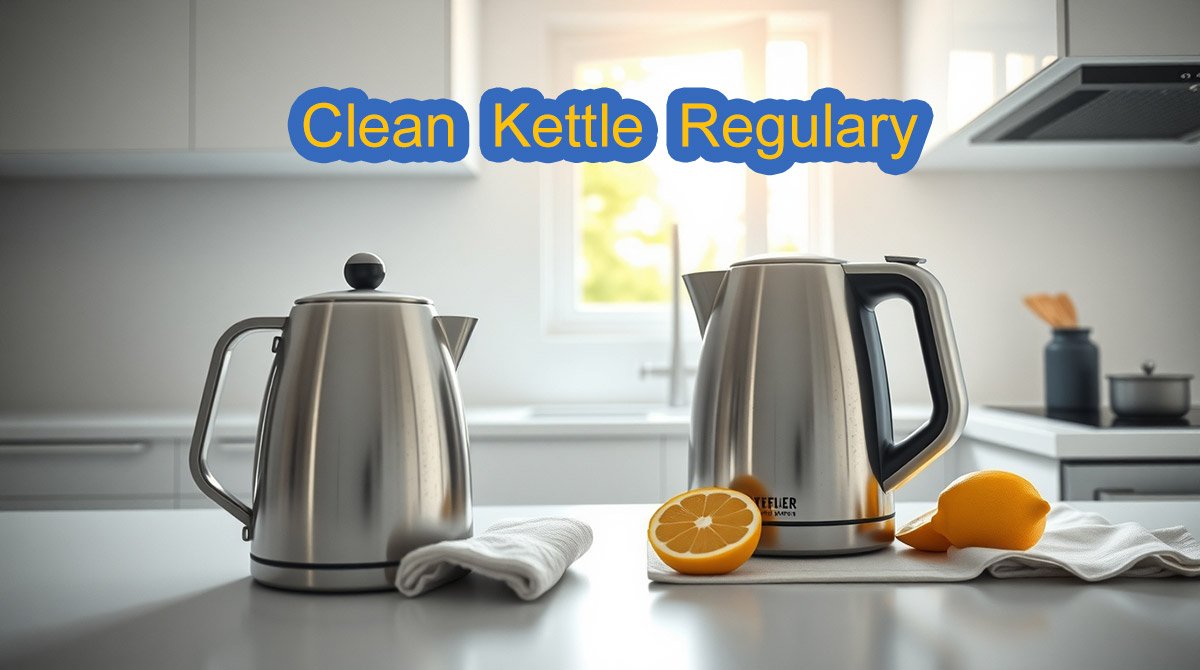
A clean kettle is always easy to maintain and use.
- Descale monthly: Fill it halfway with vinegar and water, boil, then rinse twice.
- Lemon refresh: Boil water with a few lemon slices for a natural clean scent.
- Dry thoroughly: Leave the lid open after cleaning to avoid odor.
- Hands-free disposal: Tea bags and lemon peels? Simply pop them into a no-touch bin for a cleaner, hassle-free kitchen routine.
—Stainless steel kettles are easier to clean, while glass ones look stunning but need gentler care.
Loved using your Electric kettle, but noticed it doesn’t smell as fresh anymore? Check out our Easy Electric Kettle Cleaning Guide to keep it spotless and odor-free.
Electric Kettle Types
Choosing between glass, steel, or plastic? This quick table makes the decision easier.
| Feature | Stainless Steel | Glass | Plastic |
| Heating Speed | Fast | Medium | Medium |
| Durability | High | Moderate | Low |
| Cleaning Ease | Easy | Needs Care | Easy |
| Aesthetic Appeal | Classic | Modern | Simple |
| Price Range | Moderate | High | Low |
—(If this table had a winner, it would be stainless steel — strong, sleek, and low drama.)
| Top Tips for Better Performance |
|---|
|
Follow these simple tips to get the most out of your kettle every day:
|
Troubleshooting
Even the best kettles can face little hiccups — here’s how to troubleshoot them quickly and safely.
Electric Kettle Not Turning On
First, check the power base and ensure the cord is plugged in firmly. Sometimes, the issue is as simple as a loose connection or tripped outlet. If the indicator light stays off, test it in another socket before assuming the kettle is faulty.
Slow Heating
A slow boil usually means limescale buildup on the heating plate. Fill it with equal parts vinegar and water, bring it to a boil, then rinse twice. Regular descaling not only restores speed but also extends your kettle’s life.
Weird Smell or Taste
That odd taste? It’s often from minerals or residue. Boil a mix of baking soda and water, let it sit for 15 minutes, then rinse thoroughly. It’ll come out fresher than your morning jokes.
Auto Shut-Off Not Working
If your kettle doesn’t switch off automatically, the thermostat or steam sensor may be blocked. Clean the spout area and lid vents gently. If the problem continues, the part might need replacement — better safe than sorry when dealing with heat and electricity.
FAQs
Technically, yes, but it’s a terrible idea. Milk sticks, burns, and leaves a lingering smell that even lemon water can’t fix. Stick to water-based liquids — your kettle will live longer.
You should clean your kettle at least once every 1–2 weeks to keep it working efficiently and to prevent limescale buildup.If you live in an area with hard water, clean it once a week. For soft water, every two weeks is fine. Also, give it a quick rinse after every few uses to stop mineral deposits and odors from forming.
It’s best not to. Water left overnight can collect minerals, dust, or bacteria, especially if your kettle isn’t cleaned regularly. Always refill with fresh water for each use. If you ever forget, just reboil the water before drinking to keep it safe and clean.
Stainless steel kettles last the longest. They’re durable, rust-resistant, and can handle high heat without warping or cracking. Glass kettles look stylish but can break more easily, while plastic ones may wear out faster or absorb odors over time. If you want long-term performance and safety, stainless steel is the best pick.
A new kettle can sometimes smell like plastic due to leftover manufacturing residues. Boil a mix of water and vinegar (1:1) or water and lemon slices, then let it sit for 15–20 minutes. Rinse it thoroughly afterward. This removes odors and helps your kettle smell fresh before regular use.
Wrapping It Up
An electric kettle may look simple, but it’s a true multitasking star in your kitchen. From brewing tea to cooking instant meals, it makes daily routines faster, easier, and smarter. Keep it clean and cared for, and it’ll reward you with years of effortless service.
Got a clever kettle trick of your own? Share it below — whether it’s a recipe, cleaning idea, or any important kettle use we missed!
Love smart kitchen ideas? Explore our No-Touch Bin Guide and the Importance of measuring ingredients while baking with a Digital Scale.






- Be Respectful
- Stay Relevant
- Stay Positive
- True Feedback
- Encourage Discussion
- Avoid Spamming
- No Fake News
- Don't Copy-Paste
- No Personal Attacks
- Be Respectful
- Stay Relevant
- Stay Positive
- True Feedback
- Encourage Discussion
- Avoid Spamming
- No Fake News
- Don't Copy-Paste
- No Personal Attacks
