How to Use a Baking Oven: Turn Simple Recipes into Magic
Published: 8 Nov 2025
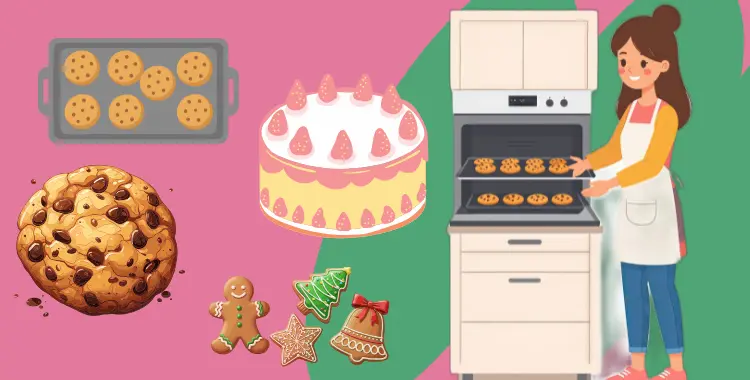
If you’ve ever wondered how to use a baking oven without overbaking or burning, you’re not alone. Many beginners find ovens confusing at first — too many knobs, settings, and temperatures to handle. But once you understand the basics, it becomes your most reliable kitchen friend.
This guide breaks everything down step by step. You’ll learn how to prepare your oven, set the right temperature, use the right pans, and bake with confidence. By the end, you’ll be ready to handle any recipe with ease — from simple cookies to fluffy cakes.
Getting Started with Your Baking Oven
Before you bake your first batch, take a moment to understand your oven. Each type of baking oven works differently, and knowing how yours behaves makes a big difference in baking results.
Know Your Oven Type
Not all ovens heat the same way. Let’s look at the three most common types and how they affect your baking.
1. Electric Ovens
Electric ovens use heating elements at the top and bottom to produce heat. They maintain a steady temperature, which makes them great for cakes, cookies, and delicate desserts. Because they don’t rely on open flames, they distribute heat evenly, giving you consistent results. However, they can take a little longer to preheat and may cause the top of the food to brown more slowly.
2. Gas Ovens
Gas ovens use natural gas or propane to create heat through a live flame. They preheat quickly and often retain moisture better than electric ovens — perfect for breads or pastries that need a soft interior. But since the heat can vary from spot to spot, you may need to rotate trays halfway through baking to avoid uneven browning. Always keep good ventilation when using a gas oven.
3. Convection Ovens
Convection ovens have a built-in fan that circulates hot air throughout the chamber. This airflow ensures even cooking and shorter baking times. Because they bake faster, it’s best to lower the recipe’s temperature by about 20°C (or 25°F). They’re ideal for roasting, cookies, or crisp bakes, but delicate cakes can sometimes dry out if not monitored carefully.
Understanding which oven you have helps you follow recipes more accurately and adapt baking times when needed.
Oven Controls and What They Do
Most ovens have three main controls — temperature, timer, and mode.
- The temperature control lets you set precise heat levels.
- The timer prevents overbaking by alerting you when time’s up.
- The mode selector switches between bake, broil, grill, and convection functions.
Always set the oven to bake mode for most recipes, and let it preheat fully before adding your dish.
Safety Basics
Safety should always come first.
- Use oven mitts to protect your hands.
- Keep children and pets away when the oven is hot.
- Never place items on top of the oven vents.
- Allow the oven to cool before cleaning or moving racks.
A good start with your oven means safer and smoother baking every time.
Essential Tools and Accessories
Before you start baking, gather the right tools. Having these essentials makes every step easier, safer, and more precise. Think of them as your baking partners — each plays a key role in creating perfect results.
Oven Thermometer
Even the best ovens can show incorrect temperatures. An oven thermometer helps you know the exact internal temperature. Place it in the center of the oven before baking. If your oven runs hotter or cooler than shown, you can adjust the temperature to match your recipe. This small tool prevents underbaking and burnt tops.
Baking Pans and Trays
Choose the right pan for the recipe.
- Metal pans heat up fast and give crisp edges — ideal for cookies and pastries.
- Glass pans retain heat longer — great for brownies or casseroles.
- Dark-colored pans absorb more heat, so reduce the temperature slightly to prevent overbrowning.
Always grease or line your pan properly to stop sticking.
Cooling Racks
A cooling rack allows air to circulate under baked items. It prevents soggy bottoms and helps your cake or cookies cool evenly. Place the rack on a heatproof surface, and don’t cover baked goods while they’re still warm — this traps moisture.
Measuring Tools
Accurate measurement is the secret to perfect baking. Use measuring cups for dry ingredients and a liquid measuring jug for wet ones. Level off dry ingredients for precision, and never guess quantities — even a small change can affect texture.
Mixing Bowls and Spatulas
Use large, deep bowls to mix batter without spills. Silicone or rubber spatulas scrape the sides clean and fold mixtures gently without deflating them. Keep one spatula for wet ingredients and another for dry to avoid a mess.
Timer and Gloves
A timer helps you track baking time precisely. Set it the moment your dish goes into the oven. Always wear heat-resistant oven gloves or mitts when handling hot trays — they protect you from burns and slips.
Step-by-Step Guide to Baking Your First Recipe
Now that you know your tools, it’s time to bake your first treat. Don’t worry if you’re new — just follow these steps and you’ll build confidence quickly.
Step 1: Preheat Your Oven
Always preheat your oven before baking. This ensures the right temperature from the start, helping your cake or cookies rise evenly. Most recipes mention a specific preheating time, usually between 10–15 minutes.
Step 2: Prepare Your Ingredients
Measure everything accurately before mixing. Keep flour, sugar, butter, eggs, and flavoring ready. This process is called mise en place (a French term meaning “everything in its place”) — it helps you stay organized and stress-free.
Step 3: Mix the Batter or Dough
Follow your recipe closely. Use a hand mixer or stand mixer for smooth, lump-free batter. If you’re making dough, mix until it’s soft and pliable but not sticky. Avoid overmixing — it can make cakes dense or chewy.
Step 4: Pour and Level the Mixture
Grease or line your baking pan, then pour the batter in. Tap it lightly on the counter to remove air bubbles. Level the top with a spatula for even baking.
Step 5: Bake at the Right Temperature
Place the pan in the center of the oven for balanced heat. Avoid opening the door too often — sudden temperature drops can make cakes sink. Follow the recipe’s baking time, but start checking a few minutes early.
Step 6: Check for Doneness
Insert a toothpick in the center — if it comes out clean, your bake is ready. For cookies, edges should look golden but soft inside. Let your baked goods rest for a few minutes before removing them from the pan.
Step 7: Cool and Store Properly
Transfer to a cooling rack to prevent moisture buildup. Once cooled, store in airtight containers to keep freshness and texture.
Cleaning and Maintenance of Your Baking Oven
A clean oven not only looks good but also helps your food bake evenly and taste better. Regular cleaning keeps it working efficiently and extends its life.
Daily Wipe-Down Routine
After baking, let your oven cool completely. Then, use a damp cloth or sponge to wipe away crumbs and spills. For tougher grease, mix warm water with mild dish soap — this gentle method avoids damage to the surface.
Deep Cleaning Once a Month
Every month, give your oven a deeper clean.
- Remove the racks and wash them with warm, soapy water.
- Mix baking soda and water into a paste and spread it on the oven walls.
- Let it sit overnight, then wipe it clean the next day.
- Finish with a quick spray of vinegar to remove any residue.
This natural method keeps your oven fresh without harsh chemicals.
Taking Care of the Door and Glass
Oven doors often get greasy fingerprints. Use a vinegar-water mix and a soft cloth to polish the glass. Avoid metal scrubbers — they can scratch the surface.
When to Call for Professional Maintenance
If your oven takes too long to heat, smells strange, or has uneven baking results, it might need a technician’s check-up. Regular servicing once a year can prevent costly repairs later.
Top 7 Baking Tips for Perfect Results
Baking is both an art and a science. Once you know the basics, these simple tips can help you bake like a pro — even on your first few tries.
Tip 1: Always Measure Accurately
Use proper measuring cups and spoons. Even small differences in flour or sugar can affect your bake’s texture. Level off dry ingredients and avoid guessing.
Tip 2: Use Ingredients at Room Temperature
Cold butter or eggs can cause uneven mixing. Let them sit out for 20–30 minutes before you start. This helps batter blend smoothly for soft, fluffy results.
Tip 3: Don’t Skip Preheating
Preheating ensures the oven reaches the exact temperature before baking begins. It prevents undercooked centers and uneven browning.
Tip 4: Rotate the Pan Halfway Through
Most ovens have slight hot spots. Turning your pan around halfway ensures even color and texture on all sides.
Tip 5: Avoid Overmixing the Batter
Once you add flour, mix gently. Overmixing builds gluten, making cakes or muffins dense instead of light and airy.
For perfectly baked cakes and cookies, precise measurements matter just as much as temperature. Discover how a Digital Kitchen Scale can help you measure every ingredient accurately — read our full guide to get started.
Tip 6: Cool Before Frosting or Cutting
Let baked goods rest fully before decorating or slicing. This keeps icing from melting and crumbs from breaking apart.
Tip 7: Keep Practicing and Experimenting
The more you bake, the more confident you’ll become. Try small variations in flavors or toppings — that’s how creativity grows in the kitchen.
FAQs About Using a Baking Oven
Wipe spills after every use once the oven cools down to prevent build-up. Plan a deep clean every month using baking soda and vinegar. Regular cleaning improves heating performance and food taste. It also helps your oven last much longer with minimal effort.
Cookies are ready when edges turn light golden, and centers are still soft. They may look slightly underdone, but they will firm up as they cool. Overbaking makes them dry and hard. Let cookies rest for a few minutes before moving them to a wire rack.
A cake usually sinks because of underbaking or temperature drops. Avoid opening the oven door too soon, as it lets heat escape. Also, ensure you don’t overmix the batter, which traps air bubbles. Following recipe times carefully helps maintain structure and rise.
Most cakes bake best at 350°F (175°C), giving them a soft texture and golden top. Always preheat your oven before baking for consistent results. If your cake browns too quickly, lower the temperature slightly. Each oven is unique, so testing once or twice helps you learn yours.
Yes, but use convection mode if available, since the fan spreads heat evenly. For standard ovens, swap trays halfway through baking to prevent uneven browning. Keep enough space between trays for air circulation. This ensures everything bakes evenly and crisps.
Master the Art of Baking with Confidence
Now that you understand how to use your baking oven, you’re ready to bake with ease and excitement. From learning the right temperature to perfecting your first recipe, every step helps you grow as a home baker.
Choosing the right oven and caring for it regularly will make your baking smoother and more enjoyable. Remember — precision, patience, and practice are your best ingredients.
So, folks, keep experimenting, keep learning, and soon your kitchen will smell like a bakery every weekend. Ready to start baking your next masterpiece?





- Be Respectful
- Stay Relevant
- Stay Positive
- True Feedback
- Encourage Discussion
- Avoid Spamming
- No Fake News
- Don't Copy-Paste
- No Personal Attacks
- Be Respectful
- Stay Relevant
- Stay Positive
- True Feedback
- Encourage Discussion
- Avoid Spamming
- No Fake News
- Don't Copy-Paste
- No Personal Attacks
