Y Peeler vs Serrated Peeler: Which One Should You Choose?
Published: 29 Dec 2025
Choosing the right peeler can make a big difference in the kitchen. The Y peeler and serrated peeler are two popular types, each designed for specific tasks. Knowing their differences helps you peel fruits and vegetables quickly and safely.
While the Y peeler works best on firm vegetables, the serrated peeler excels with soft or slippery fruits. This guide will explain their features, uses, and which one might be the best fit for your kitchen.
What Is a Y Peeler?
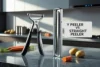
The Y peeler has a handle shaped like the letter “Y” with a horizontal blade at the top. It is one of the most common peelers for everyday kitchen use.
Key Features
- Horizontal blade: Works like a knife for fast peeling
- Comfortable grip: Y-shaped handle gives good control
- Durable: Usually made of stainless steel and long-lasting
Best Uses
- Potatoes
- Carrots
- Cucumbers
- Apples (firm types)
The Y peeler is ideal for hard or firm vegetables, giving precise and smooth results.
What Is a Serrated Peeler?
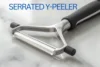
A serrated peeler has a toothed blade instead of a smooth one. This design helps it grip soft or slippery foods that a regular blade might crush or slide off.
Key Features
- Toothed edge: Cuts through soft skins without crushing
- Can be Y-shaped or straight-shaped: Shape affects comfort
- Flexible: Works on delicate fruits and soft vegetables
Best Uses
- Tomatoes
- Peaches
- Kiwis
- Soft-skinned fruits
The serrated peeler is perfect for soft or delicate foods where a smooth blade may tear or damage the skin.
If you want a deeper comparison focused only on peeler shapes, you can also read our detailed guide on Y peeler vs straight peeler, which explains grip, control, and usability differences in more detail.
Y Peeler vs Serrated Peeler: Side-by-Side Comparison
Understanding the differences side by side makes it easier to choose the right peeler for your kitchen.
| Feature | Y Peeler | Serrated Peeler |
| Blade Type | Smooth horizontal blade | Toothed/serrated blade |
| Best For | Hard vegetables and firm fruits | Soft, slippery fruits |
| Grip & Control | Very comfortable, precise | Depends on shape (Y or straight) |
| Speed | Fast for firm foods | Slower, careful with delicate foods |
| Durability | Long-lasting | Long-lasting |
This table summarizes the key differences to help you pick the right peeler for your needs.
Which One Should You Choose?
Choosing the right peeler depends on the type of food you usually handle in the kitchen.
Recommendations
Here are some tips to help you decide which peeler to use based on your typical kitchen tasks:
Choose a Y peeler
If you mainly peel potatoes, carrots, and firm apples. It’s fast, safe, and versatile for daily tasks.
For a deeper look at how a Y peeler works and why many cooks prefer it, check out Y peeler explained.
Choose a serrated peeler
If you often handle tomatoes, peaches, or kiwis. It prevents the skin from tearing and preserves the fruit’s shape.
Many home cooks
Many home cooks keep both types in the kitchen to handle all kinds of fruits and vegetables efficiently.
FAQs
Here are some common questions about Y peelers and serrated peelers to help you choose and use them effectively.
What’s the difference between a Y peeler and a serrated peeler?
The Y peeler has a smooth horizontal blade and works best for firm vegetables. A serrated peeler has small “teeth” on the blade to grip soft or slippery skins like tomatoes or peaches. People choose based on what they peel most often.
Can one peeler handle all kinds of fruits and vegetables?
While some peelers try to be versatile, no single peeler excels at every task. A smooth Y peeler handles most firm produce, but a serrated one is better for soft, slippery fruits.
How do I clean a serrated peeler effectively?
Rinse it after use, and use a small brush or toothbrush to remove any trapped food pieces between the serrations. Then dry it fully to prevent rust.
Is a serrated peeler worth buying if I already have a Y peeler?
Yes — if you often prepare soft fruits like tomatoes or peaches. The serrated blade grips slippery skin much better than a smooth blade.
Should I peel fruit and vegetables even if the skin is edible?
It depends. Some people peel for texture or taste preference, while others leave edible skins on to retain fiber and nutrients. There’s no strict rule — it’s mostly up to you.
Key Takeaways
Both Y peelers and serrated peelers have unique strengths that make them ideal for different kitchen tasks. The Y peeler works best for firm vegetables like potatoes, carrots, and cucumbers, offering speed and precision.
The serrated peeler excels with soft or slippery fruits like tomatoes, peaches, and kiwis, preventing the skin from tearing and keeping the fruit intact. Having both peelers in your kitchen ensures you can handle any peeling task efficiently and safely.
Choosing the right peeler depends on your cooking habits and the types of fruits and vegetables you use most. Keep these key differences in mind to make prep work faster, easier, and more enjoyable.



- Be Respectful
- Stay Relevant
- Stay Positive
- True Feedback
- Encourage Discussion
- Avoid Spamming
- No Fake News
- Don't Copy-Paste
- No Personal Attacks
- Be Respectful
- Stay Relevant
- Stay Positive
- True Feedback
- Encourage Discussion
- Avoid Spamming
- No Fake News
- Don't Copy-Paste
- No Personal Attacks
