How to Clean and Maintain Under-Sink Drawers
Published: 31 Jan 2026
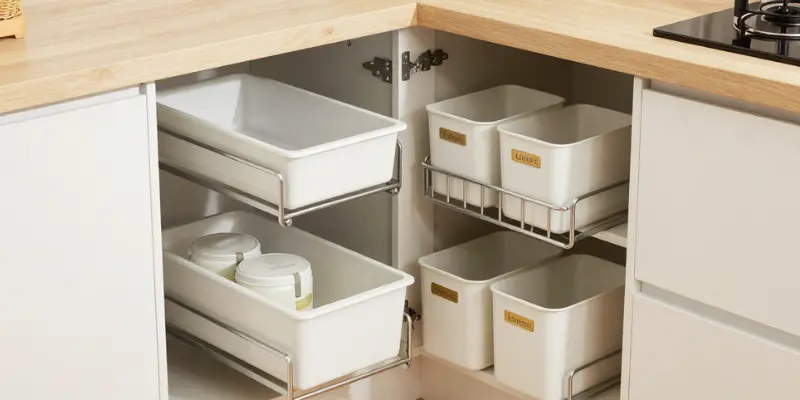
Under-sink drawers are often overlooked, but they can quickly accumulate dirt, moisture, and odors if not cared for properly. A clean drawer not only looks neat but also keeps your kitchen hygienic and safe.
With the right techniques and regular maintenance, you can keep your under-sink drawers fresh, organized, and long-lasting.
Why Cleaning Under-Sink Drawers is Important
Regular cleaning of under-sink drawers is essential for hygiene and longevity. Here’s why you shouldn’t skip it:
- Prevents mold and mildew from developing in damp areas
- Eliminates unpleasant odors caused by spills or food residue
- Protects metal slides and organizers from rust and corrosion
- Keeps your kitchen organized and clutter-free
- Extends the lifespan of your drawers and storage accessories
Keeping your under-sink drawers clean ensures a healthier kitchen environment and reduces maintenance issues over time.
Tools and Supplies You’ll Need
Before you start cleaning, gather the right tools and supplies. Having everything ready makes the job quicker and more effective.
- Soft microfiber cloth for gentle wiping
- Mild dish soap or all-purpose kitchen cleaner
- Baking soda to remove odors
- White vinegar for disinfecting and cleaning tough spots
- Old toothbrush or small brush for corners and slides
- Gloves to protect your hands
Using these basic supplies ensures your under-sink drawers are cleaned safely and thoroughly every time.
Step-by-Step Guide to Clean Under-Sink Drawers
Follow these steps to deep clean your under-sink drawers safely and effectively.
1 – Empty the Drawer Completely
Remove all items from the drawer and check for leaks, spills, or damaged containers. Clearing everything out makes it easier to clean every corner and spot any hidden messes.
2 – Remove the Drawer if Possible
Pull the drawer out fully or detach it if it’s a pull-out type. This allows you to reach tight corners and clean both the drawer and the slides thoroughly without obstruction.
3 – Clean the Drawer and Slides
Wipe all surfaces with a mild soap solution and a soft cloth. Use a small brush or old toothbrush to scrub corners, edges, and metal slides where dirt and grease tend to accumulate.
4 – Disinfect and Deodorize
Apply vinegar or sprinkle baking soda to disinfect and neutralize odors. These natural cleaners help remove germs, prevent mold, and leave the drawer smelling fresh.
5 – Dry Thoroughly
Allow the drawer to air dry completely before putting items back. Ensuring it’s fully dry prevents moisture buildup, mold growth, and rust on metal slides.
6 – Replace Items Strategically
Use small trays, bins, or organizers to separate items and avoid clutter. Proper placement reduces spills, keeps the drawer tidy, and makes future cleaning much easier.
Following these steps keeps your under-sink drawers fresh, hygienic, and well-maintained.
Maintenance Tips for Under-Sink Drawers
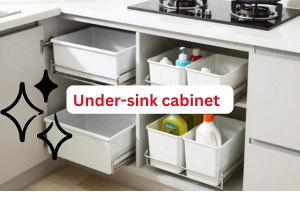
Keeping your under-sink drawers clean is easier with regular care. Simple habits can prevent most problems.
- Wipe spills immediately to avoid stains and odor
- Check for leaks under the sink regularly
- Clean drawers every 1–2 months to prevent buildup
- Use liners or trays to keep surfaces protected
- Avoid storing wet items directly in the drawer
With these small habits, your under-sink drawers stay organized, hygienic, and long-lasting.
Quick Fixes for Common Under-Sink Drawer Issues
Even with regular cleaning, under-sink drawers can face some common issues. Here’s how to handle them:
Foul Odor
Under-sink drawers can develop unpleasant smells from spills, food residue, or dampness. Sprinkle baking soda inside the drawer or wipe surfaces with vinegar to neutralize odors. Regularly checking and cleaning the drawer helps keep the smell away.
Rust on Metal Slides
Metal slides may rust if moisture accumulates. Always dry thoroughly after cleaning and apply a thin layer of lubricant or mineral oil to protect the metal. This keeps your drawer slides smooth and extends their lifespan.
Drawer Sticks or Jams
Sometimes drawers can stick or jam due to dirt, grease, or misaligned slides. Clean the slides thoroughly with a cloth and mild soap, removing any debris. After cleaning, apply a small amount of silicone lubricant or mineral oil to restore smooth movement. Regular checks and gentle handling prevent future sticking.
Mold Growth
Moisture can lead to mold forming inside drawers. Disinfect the drawer with vinegar and improve ventilation around the under-sink area. Using liners or keeping items dry further reduces mold risk.
Addressing these problems promptly keeps your drawers functional and hygienic.
FAQs About Under-Sink Drawer Cleaning and Maintenance
Here are some common questions people ask about keeping their under-sink drawers clean and well-maintained.
- How often should I clean my under-sink drawers?
It’s best to clean under-sink drawers at least once every 1–2 months. Regular cleaning prevents buildup of dirt, grease, and moisture, which can cause mold or odors. If you store food or cleaning supplies, check the drawers more frequently. - Can I use bleach to clean under-sink drawers?
Mild dish soap, vinegar, or baking soda are safer options. Bleach can damage metal slides or paint and may leave harsh fumes. Stick to gentle cleaners to protect both your drawers and your hands. - How do I prevent moisture and mold in under-sink drawers?
Always dry drawers completely after cleaning, and use liners or trays to catch spills. Keep the area well-ventilated and check for leaks under the sink. Small moisture-absorbing packets can also help reduce dampness. - What’s the best way to organize items in under-sink drawers?
Use small trays, bins, or dividers to separate items like cleaning supplies, sponges, or trash bags. Avoid overcrowding, which can trap moisture and make cleaning harder. Keeping things organized also makes it easier to spot spills or leaks early. - How can I stop rust on metal drawer slides?
Make sure the slides are completely dry after every cleaning. Wipe them occasionally with a thin layer of oil or silicone lubricant. Avoid storing wet items directly on metal surfaces, and check periodically for early signs of rust.
Final Thoughts
Maintaining clean under-sink drawers is easier than it seems when you follow the right steps. Regular cleaning, proper drying, and using organizers help prevent mold, rust, and odors.
By adopting these simple habits, your under-sink drawers will stay fresh, organized, and long-lasting, making your kitchen more hygienic and stress-free.





- Be Respectful
- Stay Relevant
- Stay Positive
- True Feedback
- Encourage Discussion
- Avoid Spamming
- No Fake News
- Don't Copy-Paste
- No Personal Attacks
- Be Respectful
- Stay Relevant
- Stay Positive
- True Feedback
- Encourage Discussion
- Avoid Spamming
- No Fake News
- Don't Copy-Paste
- No Personal Attacks
