Troubleshooting & Fixing Your Countertop Dishwasher Quickly
Published: 7 Nov 2025
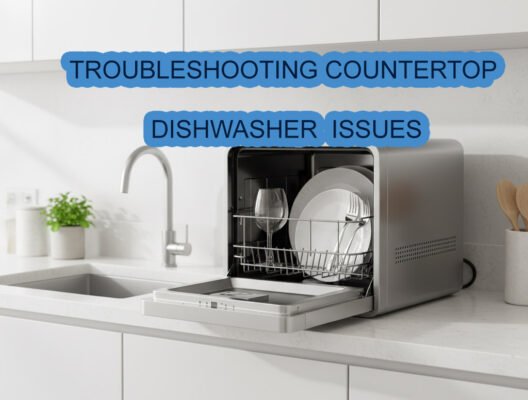
Struggling with your countertop dishwasher can be frustrating. Dishes may come out dirty, water might not drain, or your dishwasher might not start at all. The good news? Most issues can be resolved quickly with the right approach.
In this guide, we’ll cover troubleshooting and fixing countertop dishwasher issues, show you simple solutions, and share tips to keep your appliance running smoothly. Whether you’re in a small apartment or a compact kitchen, these practical steps make life easier.
Getting Started with Troubleshooting
Before you dive into fixing your dishwasher, it’s important to prepare. Taking a few simple steps ensures safety and makes troubleshooting easier.
- Unplug the dishwasher: Always disconnect power before inspecting or cleaning.
- Check the water supply: Make sure hoses are connected properly and water is turned on.
- Read the manual: Your model may have unique features or instructions.
- Gather basic tools: Keep a screwdriver, soft cloth, and sponge handy.
- Clear your workspace: Make room around your dishwasher to inspect hoses and connections safely.
Troubleshooting & Fixing Countertop Dishwasher Issues
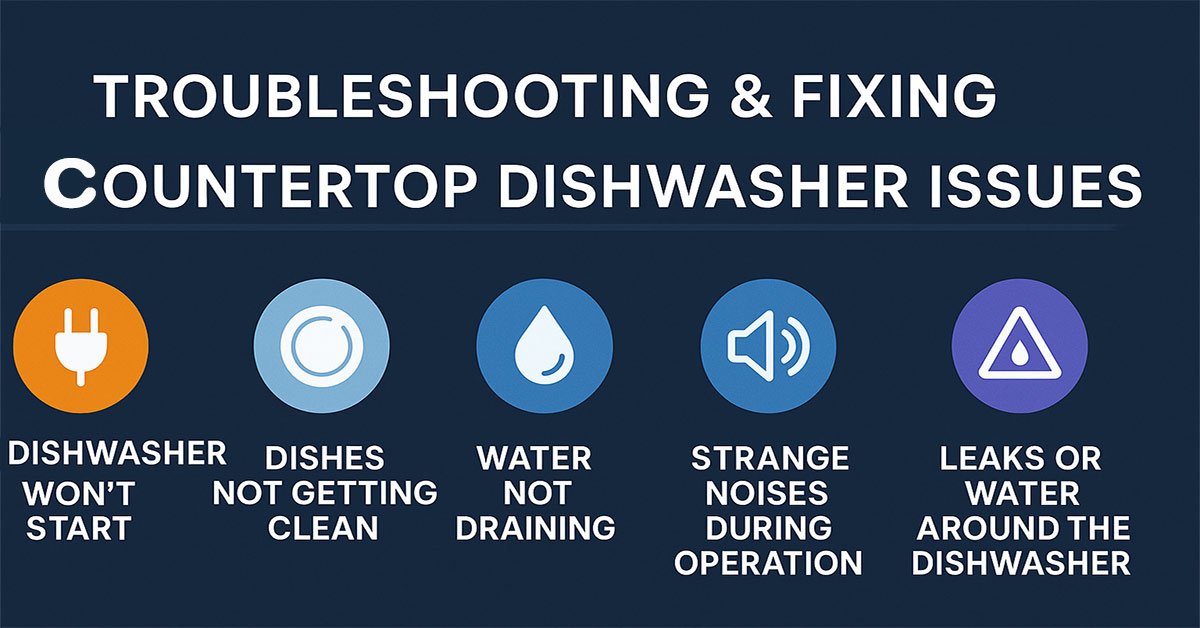
Even the best countertop dishwashers can act up. Don’t worry—most issues are easy to fix. Let’s tackle the problems one by one.
Dishwasher Won’t Start
Is your dishwasher refusing to turn on? Try these quick checks:
- Make sure it’s plugged in and the power outlet works.
- Check the door latch; it must be fully closed.
- Confirm the water supply is connected.
Dishes Not Getting Clean
Dirty dishes? That’s frustrating. Here’s how to fix it:
- Clean the spray arms—tiny food particles can block water flow.
- Avoid overloading; water needs space to reach every dish.
- Check your detergent type and amount. Using too little or too much can reduce cleaning power.
Water Not Draining
Pooling water in the bottom? Don’t panic:
- Clean the drain filter regularly.
- Check the drain hose for kinks or clogs.
- Run a vinegar rinse to clear minor blockages.
Strange Noises During Operation
Is your dishwasher making unusual sounds? Try this first:
- Look for debris in the spray arm or pump.
- Make sure the dishwasher is level on your counter.
- If noise persists, the motor or pump may need professional attention.
Leaks or Water Around the Dishwasher
Water on your countertop? Let’s stop it fast:
- Inspect the door seal and clean it if dirty.
- Check hose connections and tighten them.
- Avoid overfilling; follow the recommended water level.
By following these maintenance and troubleshooting tips, your countertop dishwasher will stay efficient and perfect for small apartment kitchens. If you haven’t seen it yet, discover why this appliance is a must-have for apartment living here.
| Preventive Maintenance Tips |
|---|
|
Want to avoid future dishwasher problems? A little care goes a long way. Follow these simple tips:
Small habits like these save you time and stress in the long run. |
When to Call a Professional
Sometimes, it’s best to let an expert handle the problem. Ask for help if you notice:
- Electrical issues or frequent circuit tripping. These can be dangerous.
- Persistent leaks even after checking hoses and seals.
- Malfunctioning motor or pump that you cannot safely access.
If a problem keeps coming back or feels risky, a professional can fix it safely and prevent further damage. Remember, it’s better to be safe than sorry!
Frequently Asked Questions (FAQs)
Most countertop dishwashers run between 30 to 90 minutes, depending on the cycle. Quick or eco cycles are faster but may use less water. Heavy-duty or sanitize cycles take longer for tough stains. Always check your model’s manual for exact cycle times.
It’s best to use detergents labeled for small or countertop dishwashers. Regular full-size dishwasher pods can create too many suds and overflow. Powder or liquid detergents designed for compact models work safest. Always follow the manufacturer’s instructions.
Cloudiness often happens due to hard water or too much detergent. Check your rinse aid level and use the correct detergent amount. Running a vinegar rinse occasionally helps prevent buildup. Proper loading ensures water reaches every dish.
Countertop dishwashers are compact, so tall or large items can block spray arms. Avoid overloading and ensure water can circulate freely. Smaller pans, plates, and cups clean better. Always follow the loading guide in your manual.
For regular use, run a cleaning cycle at least once a month. Use vinegar or a dishwasher cleaner to remove buildup and odors. This keeps filters, spray arms, and internal parts working efficiently. Regular cleaning prevents future problems and improves performance.
Final Thoughts
Troubleshooting and fixing your countertop dishwasher doesn’t have to be a headache. With simple steps like cleaning filters, checking hoses, and using the right detergent, you can keep it running smoothly and save yourself time in the kitchen.
Just like choosing the right Electric Kettle can transform your morning routine, giving your countertop dishwasher the proper care can make everyday dishwashing effortless. For persistent issues, calling a professional is the safest way to prevent damage and keep your appliance reliable for years. Treat it well, and it will repay you with spotless dishes and less stress every day.





- Be Respectful
- Stay Relevant
- Stay Positive
- True Feedback
- Encourage Discussion
- Avoid Spamming
- No Fake News
- Don't Copy-Paste
- No Personal Attacks
- Be Respectful
- Stay Relevant
- Stay Positive
- True Feedback
- Encourage Discussion
- Avoid Spamming
- No Fake News
- Don't Copy-Paste
- No Personal Attacks
