7 Easy Steps to Use a Garment Steamer for Wrinkle-Free Clothes
Published: 4 Dec 2025
Steaming your clothes is one of the easiest ways to get smooth, fresh, and wrinkle-free results without the hassle of ironing. A garment steamer works gently on almost every fabric, making it ideal for daily wear, delicate materials, and quick touch-ups when you’re short on time.
In this complete guide, you’ll learn how to choose the right steamer, prepare it the right way, and use simple steaming techniques that give professional-quality results at home. Every step is easy to follow, beginner-friendly, and designed to help you steam with confidence.
Choose Your Garment Steamer
Before you start steaming, knowing your steamer type and preparing it properly makes a big difference. The right setup keeps your clothes safe and helps your steamer work efficiently.
Handheld Steamers
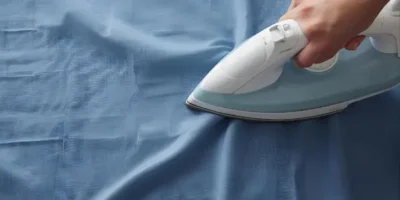
Handheld steamers are compact and lightweight, ideal for quick touch-ups at home or while traveling. They heat up fast and are perfect for small garments like shirts, blouses, and delicate fabrics.
Upright Steamers
Upright steamers are larger and suited for heavy-duty use. They work well on thick fabrics like coats, jackets, and curtains, with larger water tanks for multiple garments in one session.
Travel Steamers
Travel steamers are ultra-portable, designed for packing into luggage. They are best for lightweight garments and often have dual voltage for international use.
Check Safety Features
A few simple steps will ensure your steamer works efficiently and keeps your clothes safe:
- Make sure the hose is untangled and free from twists.
- Check that the water level is correct before turning it on.
- Ensure all attachments are properly locked in place.
- Place the steamer on a stable, flat surface.
- Double-check these points to avoid accidents and keep the steaming process smooth.
Tip: Hang garments on a sturdy hanger or hook while preheating for a smoother start. This also helps you keep clothes wrinkle-free and ready for quick steaming.
If you often iron clothes in a cold room, a steady indoor temperature really helps keep fabrics smooth. You can even explore whether Smart Heaters are Worth it to maintain consistent warmth while ironing.
Seven Quick Steps to Steam Clothes Like a Pro
Steaming your clothes correctly ensures wrinkle-free results and protects delicate fabrics. Follow these practical steps for smooth, professional results every time.
1. Fill the Water Tank Correctly
Use clean or distilled water to prevent mineral buildup. Avoid overfilling to prevent leaks. This ensures steady steam flow and prolongs the life of your steamer.
2. Plug In and Preheat
Connect the steamer to a power source and wait until it reaches full steam—30–60 seconds for handheld models, 2–3 minutes for upright steamers. Preheating ensures consistent steam for better wrinkle removal.
3. Hang Your Garment
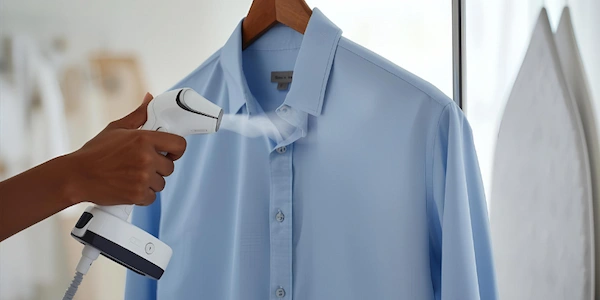
Use a sturdy hanger or hook, and make sure the garment hangs freely without folds or bunches. Proper hanging lets the steam reach all areas evenly.
4. Stretch the Fabric
Gently hold the bottom hem or seam of the garment while steaming. Stretching the fabric slightly allows the steam to penetrate deeper and smooth stubborn wrinkles.
5. Apply Steam
Move the steamer slowly from top to bottom or side to side. Press the steamer head gently against the fabric when safe. Avoid staying in one spot too long to prevent damp patches or fabric damage.
6. Focus on Special Areas
- Collars, cuffs, pleats: Steam horizontally with support.
- Thick or textured fabrics: Use a brush attachment for better results.
- Inside-out steaming: Flip delicate garments to the inside for better control on seams or thin fabrics.
These techniques ensure every part of your garment is wrinkle-free without causing wear.
7. Post-Steaming Care
After steaming, let garments hang for a few minutes so the moisture evaporates. This prevents water spots and keeps fabric smooth and fresh.
FAQs:
Most fabrics can be steamed, including cotton, polyester, and wool. Delicate fabrics like silk or velvet require gentle steaming and a careful distance. Always check the garment label first to ensure it’s safe to steam.
Using distilled or soft water helps prevent mineral buildup in your steamer. Tap water can be used if it’s soft, but it may require more frequent cleaning. This keeps your steamer working efficiently and prevents clogs.
Let garments hang for a few minutes to allow moisture to evaporate. Wearing them immediately may cause damp spots or minor wrinkles. This ensures your clothes stay smooth and ready to wear.
Steaming is generally safer than ironing, but keep the nozzle at a safe distance for fragile fabrics. Always test a small hidden area first. Using slow, gentle strokes helps protect the fabric from heat or water damage.
Steaming is faster, gentler, and ideal for delicate fabrics. Ironing gives sharper creases, but steaming preserves fabric texture and reduces the risk of burns. For everyday clothes, steaming is often the simpler and safer option.
Conclusion
Using a garment steamer is a simple and effective way to keep your clothes wrinkle-free. By selecting the right type of steamer and following proper steaming techniques, you can achieve smooth, fresh-looking garments every time.
With a little practice, steaming becomes quick, easy, and a reliable part of your daily wardrobe care. These tips make it effortless to maintain polished clothes without the hassle of traditional ironing.





- Be Respectful
- Stay Relevant
- Stay Positive
- True Feedback
- Encourage Discussion
- Avoid Spamming
- No Fake News
- Don't Copy-Paste
- No Personal Attacks
- Be Respectful
- Stay Relevant
- Stay Positive
- True Feedback
- Encourage Discussion
- Avoid Spamming
- No Fake News
- Don't Copy-Paste
- No Personal Attacks
