Master the Art of Air Frying: Use an Air Fryer for Healthy, Easy Cooking
Published: 9 Nov 2025
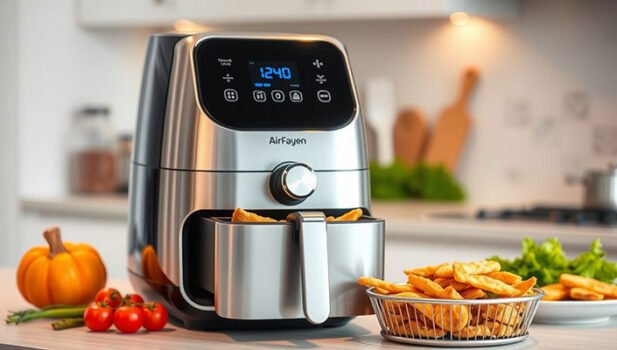
If you’re new air fryer feels a little intimidating, take a breath — it’s much simpler than it looks. This small gadget can turn everyday meals into crispy, golden perfection with hardly any oil.
Learning how to use an air fryer helps you cook faster, eat healthier, and keep your kitchen cleaner. Whether you’re frying, roasting, or reheating, air fryers make it all effortless. In this guide, you’ll discover step-by-step instructions, beginner-friendly tips, and easy ways to create healthy, delicious meals every day.
Why Learning How to Use an Air Fryer Matters
Before diving into cooking, it’s helpful to understand why learning to use an air fryer is worthwhile. This handy appliance isn’t just about saving time — it’s a real game-changer for your health and kitchen routine.
Here’s why it matters:
- Healthier meals: Air fryers cook with little to no oil, cutting down fat and calories without sacrificing flavor.
- Faster cooking: Hot air technology reduces cooking time, so meals are ready in minutes.
- Crispy results: You still get that golden crunch you love — without deep frying.
- Less mess: No greasy pans or lingering oil smell in your kitchen.
- Budget-friendly: Uses less oil and energy compared to a traditional oven or deep fryer.
- Beginner-friendly: Simple controls make it easy for anyone to start cooking confidently.
Once you understand these benefits, you’ll see why mastering how to use an air fryer can completely transform the way you cook every day.
Know Your Air Fryer First
Before you begin cooking, take a moment to understand your air fryer. Knowing its parts and style helps you use it safely and get better results every time.
Here’s what to know before your first use:
- Types of air fryers: Basket-style is compact and ideal for small meals, while oven-style offers more space and multiple racks.
- Main parts: Most models have a basket, tray, heating element, and fan — all working together for even heat circulation.
- Pre-check: Read the manual, remove packaging materials, and clean the basket before cooking for the first time.
- Placement: Keep your air fryer on a flat, heat-resistant surface with space for ventilation.
- Safety basics: Avoid metal utensils inside the basket and never block air vents.
Once you’re familiar with these basics, using your air fryer becomes second nature — and your path to healthy, crispy cooking is ready to begin.
Step-by-Step Guide to Using an Air Fryer
Cooking with an air fryer is simple, but understanding each step carefully ensures your food comes out perfectly crispy and delicious. Follow this detailed guide to master your first meals.
Follow these steps carefully:
- Step 1 — Preheat the air fryer (if needed):
Some foods, like frozen fries or chicken wings, cook better in a preheated air fryer. Preheating warms the basket and ensures even cooking from the start. Simply set your air fryer to the recipe’s temperature and let it run for 3–5 minutes before adding food. For quick-cooking items like vegetables, preheating is optional. - Step 2 — Prepare and season your food:
Dry your ingredients thoroughly with a paper towel to avoid sogginess. Lightly coat food with a small amount of oil or cooking spray to enhance crispiness. Add seasonings evenly — this helps flavors stick and gives consistent results. For proteins, marinate ahead of time if desired. - Step 3 — Set time and temperature correctly:
Check your recipe for the recommended cooking temperature. As a general rule, reduce conventional oven recipes by about 25°F and shorten the cooking time by roughly 20%. Most air fryers have preset modes (e.g., fry, roast, bake) — these can be used for convenience. Always start with the minimum recommended time and check for doneness. - Step 4 — Shake, toss, or flip midway:
Air fryers cook by circulating hot air, so food at the bottom or sides may cook faster. For even browning, shake the basket or flip the food halfway through cooking. Use tongs for delicate items like fish fillets or smaller vegetables to avoid breaking them. - Step 5 — Remove, serve, and enjoy:
Once the timer is up, carefully remove the basket using oven mitts or tongs. Let the food cool for a minute or two to finish cooking and prevent burns. Serve immediately for the crispiest texture. Leftovers can be reheated in the air fryer for 2–3 minutes for that fresh-crisp taste.
Following these detailed steps ensures that even beginners can achieve consistently delicious and healthy air-fried meals every time.
Air Fryer Settings Explained
Air fryers come with different cooking modes and temperature settings. Understanding what each setting does helps you cook a wider variety of foods perfectly.
Before you start, remember: each model may vary slightly, so always check your user manual for exact instructions.
Common Airfryer settings:
Before using your air fryer, it helps to understand what each setting does. Each mode is designed for different cooking styles and foods, helping you get the best results every time.
Here’s a quick overview of the common air fryer settings and when to use them:
| Setting | Ideal Foods | Temperature Range | Tips for Best Results |
|---|---|---|---|
| Air Fry | Fries, chicken wings, veggies | 350–400°F | Lightly spray oil for extra crispiness |
| Bake | Cakes, muffins, and small casseroles | 320–360°F | Use oven-safe dishes that fit inside the basket |
| Roast | Meat, potatoes, root vegetables | 360–400°F | Shake or turn halfway for even browning |
| Reheat | Leftovers | 300–350°F | A shorter time prevents drying out |
| Dehydrate | Fruits, jerky | 120–160°F | Slice thin and arrange in a single layer |
Tips to remember:
- Most foods benefit from shaking or flipping midway.
- Use the air fry setting for most “crispy” foods.
- Lower temperatures are better for delicate items like fish or baked goods.
- Avoid overcrowding the basket; leave space for air circulation.
Knowing your air fryer settings makes cooking faster, easier, and more precise. You’ll be able to experiment confidently with different foods while keeping them crispy and healthy.
To explore more smart accessories for your kitchen, read our detailed guide on the Electric Kettle.
6 Common Mistakes Beginners Should Avoid
Even though air fryers are simple to use, beginners often make small mistakes that affect cooking results. Knowing these ahead of time helps you cook healthier, crispier meals every time.
Avoid these common mistakes:
Overcrowding the basket:
Placing too much food in the basket blocks the hot air from circulating properly. This can leave your fries soggy or your chicken undercooked.
Solution: Cook in smaller batches, leaving space between pieces for even browning.
Using wet batter or coatings:
Foods with a wet batter (like tempura) tend to drip and stick, creating a mess and preventing crispiness. Solution: coat foods lightly with breadcrumbs or panko, or pat wet coatings dry before cooking.
Skipping preheating when needed:
Some recipes, especially frozen items or thicker proteins, need a preheated basket for even cooking. Without preheating, the food may cook unevenly or take longer.
Solution: Preheat your air fryer for 3–5 minutes before adding food when the recipe suggests it.
Cooking at too high a temperature:
Beginners sometimes crank the temperature to finish food faster. This often burns the outside while leaving the inside raw.
Solution: follow recommended temps and, if unsure, start slightly lower and extend cooking time.
Not shaking or flipping food midway:
Air fryers rely on hot air circulation to cook evenly. Skipping a mid-cook shake or flip can result in uneven browning.
Solution: pause halfway, shake the basket, or turn food with tongs for consistent results.
Neglecting cleaning and maintenance:
Food residue and grease build up quickly, affecting taste and even causing smoke during cooking.
Solution: Clean the basket, tray, and interior regularly. Some parts are dishwasher-safe, but a gentle hand wash with soap works well for delicate coatings.
By understanding these common pitfalls and how to fix them, beginners can cook confidently and enjoy perfectly crispy, healthy meals every time.
Most Healthy Air Fryer Recipes to Try
Now that you know how to use your air fryer, it’s time to explore some delicious and healthy recipes. These meals are simple, beginner-friendly, and make the most of the air fryer’s crispy, low-oil cooking.
Try these recipes step by step:
- Crispy Veggie Fries:
Slice sweet potatoes, carrots, or zucchini into sticks. Toss them with a small amount of olive oil, salt, pepper, and optional paprika or garlic powder for extra flavor. Spread in a single layer in the basket to avoid overcrowding. Air fry at 380°F for 15–20 minutes, shaking halfway through to ensure even cooking. Serve with a light yogurt dip or homemade ketchup. - Juicy Chicken Tenders:
Use boneless chicken strips and pat them dry. Lightly coat with a mix of whole-wheat breadcrumbs, parmesan, and your favorite seasoning. Preheat the air fryer to 400°F, place the strips in a single layer, and cook for 10–12 minutes. Flip halfway for golden, crispy results. Serve with a side salad for a quick, balanced meal. - Roasted Chickpeas:
Drain and rinse canned chickpeas, then dry them with a paper towel. Toss with a teaspoon of olive oil, smoked paprika, garlic powder, and a pinch of salt. Air fry at 375°F for 15–20 minutes, shaking every 5 minutes to avoid burning. Enjoy as a crunchy snack or salad topping packed with protein and fiber. - Crispy Tofu Bites:
Press the firm tofu to remove excess water, then cut into bite-sized cubes. Lightly coat with oil and your choice of seasoning (soy sauce, paprika, garlic powder, or chili flakes). Air fry at 375°F for 12–15 minutes, turning halfway through. Serve with a dipping sauce or add to a stir-fry for a plant-based protein boost. - Vegetable Medley:
Chop bell peppers, broccoli, cauliflower, and carrots into uniform pieces. Toss lightly with olive oil, salt, and pepper. Air fry at 370°F for 10–12 minutes, shaking halfway through to ensure even cooking. This makes a colorful, nutrient-rich side dish that pairs well with fish, chicken, or tofu.
To learn about choosing and using the right device for help in cooking, check out our complete guide on smart meat thermometer for air fryers for tips, models, and step‑by‑step setup help.
Tips for all recipes:
- Avoid overcrowding the basket to maintain crispiness.
- Pat ingredients dry to prevent sogginess.
- Adjust cooking time slightly based on ingredient size and model type.
- Experiment with herbs and spices to find your favorite flavor combinations.
These easy recipes highlight the healthy cooking benefits of air fryers — less oil, less mess, and meals that are crisp, flavorful, and satisfying. You can also link to a future in-depth recipe guide for more variety and inspiration.
FAQs About Using an Air Fryer
Not always. Preheating helps frozen or thicker foods cook evenly, but smaller or fresh items like vegetables may not need it. Check your recipe — if unsure, 3–5 minutes of preheating is safe for most dishes.
Yes, but only on the basket tray and never blocking air vents. Foil helps prevent sticking or makes cleanup easier, while parchment paper works well for delicate items. Always leave space for proper air circulation.
Light oils with high smoke points, like olive, avocado, or grape seed oil, are best. Use very little — often just a teaspoon or a light spray is enough to get crispy results without adding too much fat.
Absolutely! Frozen fries, nuggets, and vegetables work well. Just increase the cooking time slightly and shake or flip halfway for even browning. No need to thaw most items beforehand.
Smoke often comes from leftover oil or food particles. Wipe the basket and tray before cooking, and avoid using too much oil. For new appliances, a short empty preheat cycle may help burn off manufacturing residues.
Your Next Step
Mastering how to use an air fryer opens the door to healthier, faster, and tastier meals every day. Curious to try more delicious recipes and clever kitchen hacks? Check out our other guides to keep your cooking exciting and effortless.





- Be Respectful
- Stay Relevant
- Stay Positive
- True Feedback
- Encourage Discussion
- Avoid Spamming
- No Fake News
- Don't Copy-Paste
- No Personal Attacks
- Be Respectful
- Stay Relevant
- Stay Positive
- True Feedback
- Encourage Discussion
- Avoid Spamming
- No Fake News
- Don't Copy-Paste
- No Personal Attacks
