How to Clean a Convection Oven: 5 Easy Home Hacks
Published: 4 Nov 2025
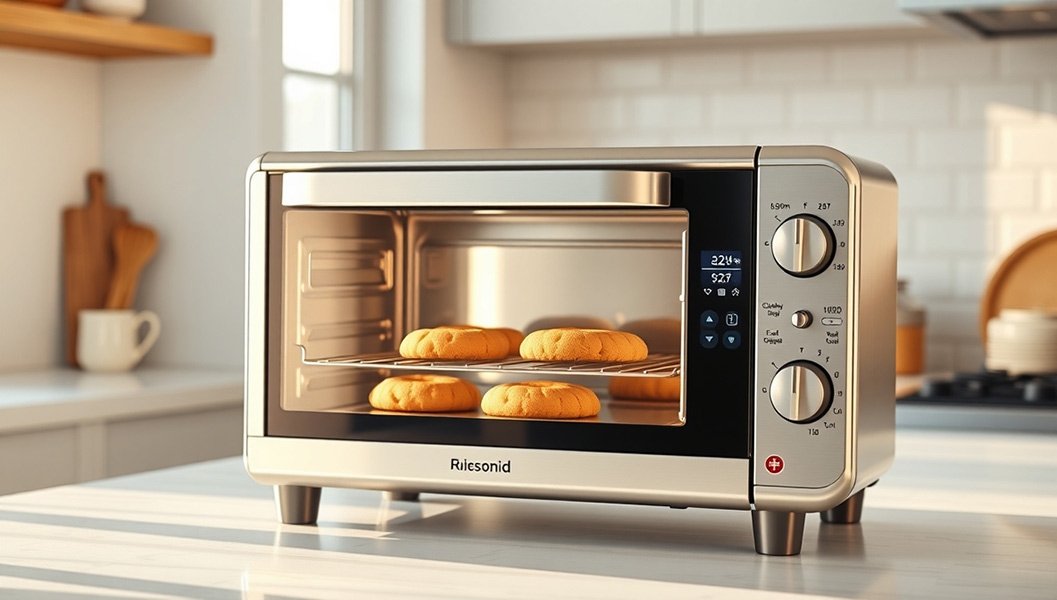
Wondering how to clean convection oven effectively without harsh chemicals or stress? Imagine pulling out a perfectly roasted chicken or freshly baked cookies from a spotless oven that makes cooking effortless and enjoyable. This small habit can completely change how your kitchen feels.
A clean convection oven ensures your meals cook evenly, taste better, and smell fresh — while keeping your kitchen safe, hygienic, and welcoming.
Why You Should Clean Your Convection Oven
A dirty oven isn’t just messy—it affects your food and appliance:
- Health & Hygiene: Crumbs and grease can harbor bacteria and odors.
- Better Cooking Results: Even a thin layer of residue can cause uneven baking or burning.
- Longer Lifespan: Regular cleaning keeps your oven working efficiently and prevents damage.
Many users notice smoke or strange smells if ovens go months without cleaning. A simple cleaning session often fixes it immediately.
Safety Tips Before You Start Cleaning
Before you begin, make your cleaning session safe and easy:
- Unplug your oven to prevent electric shock.
- Wear gloves to protect your hands from chemicals and scrubbing.
- Ensure ventilation if using strong cleaners.
- Avoid spraying chemicals on heating elements.
- Keep children and pets away while cleaning.
Ventilation is crucial, especially during self-cleaning or chemical use.
What You’ll Need
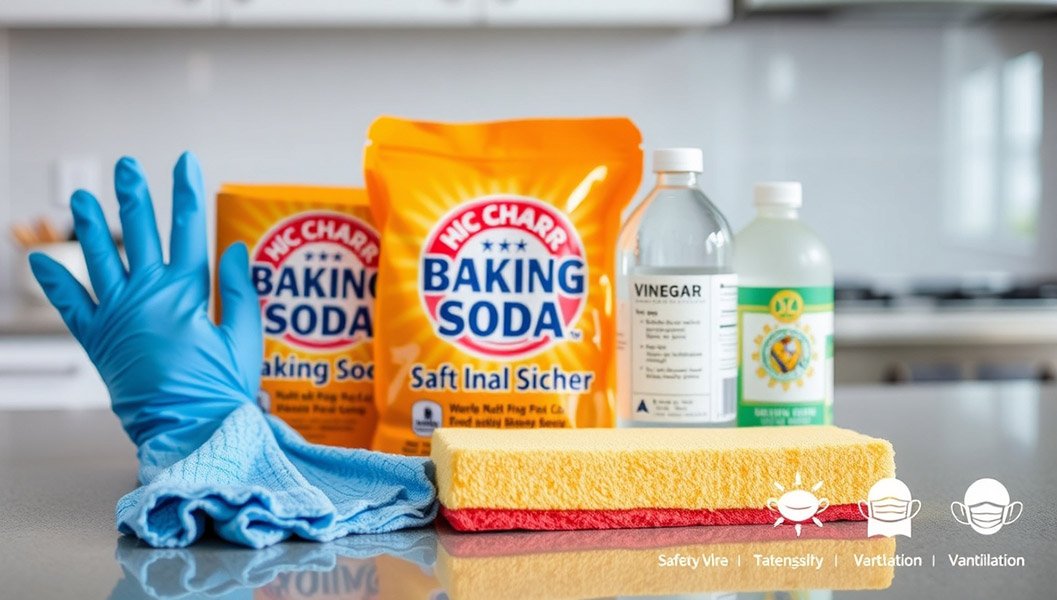
Here’s what you’ll need to clean convection oven at home safely and effectively:
- Baking soda
- Vinegar in a spray bottle
- Soft cloths or sponges
- Gloves
- Optional: Commercial oven cleaner
- Optional: Soft brush or scrubbing pad
5 Easy Ways to Clean a Convection Oven
These practical steps combine natural cleaning, manual scrubbing, and preventive care.
1. Remove and Soak Racks (10–15 minutes prep + 30–60 min soak)
Start with the racks to make scrubbing easier.
- Remove all racks and trays.
- Soak in warm, soapy water for 30–60 minutes.
- Scrub gently to remove grease and stuck-on food.
Add a splash of vinegar to your soaking water. It’s an easy start to clean convection oven efficiently.
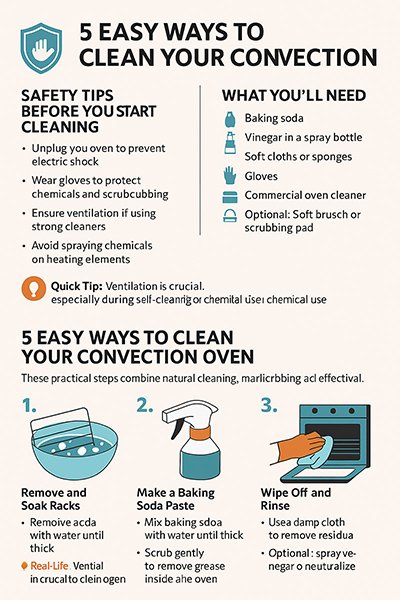
2. Make a Baking Soda Paste (5 minutes)
A natural paste works wonders on baked-on grime.
- Mix baking soda with water until thick.
- This paste targets stubborn stains inside the oven.
Make enough paste to cover all surfaces. This gentle formula is a proven part to clean convection oven naturally.
3. Apply Paste inside the Oven (5–10 min prep + 12–24 hr wait)
Now tackle the interior:
- Spread paste on oven walls, floor, and back, avoiding heating elements.
- Let it sit for 12–24 hours.
Allowing it to rest makes scrubbing effortless and is key in the best way to clean convection oven method
4. Wipe Off and Rinse (10–15 minutes)
After the paste has set:
- Use a damp cloth to remove residue.
- Repeat for tough stains if needed.
- Optional: Spray vinegar to neutralize odors.
Use a microfiber cloth for a streak-free shine when you clean convection oven manually.
5. Clean Oven Exterior (5–10 minutes)
Don’t forget the outside surfaces:
- Wipe glass door, knobs, and handles with mild detergent.
- Dry with a clean cloth for a polished finish.
Quick exterior wipes prevent fingerprints and smudges, especially in family kitchens.
Using the Self-Cleaning Option
Some ovens have a self-cleaning mode, which burns residue at very high heat. Before using it:
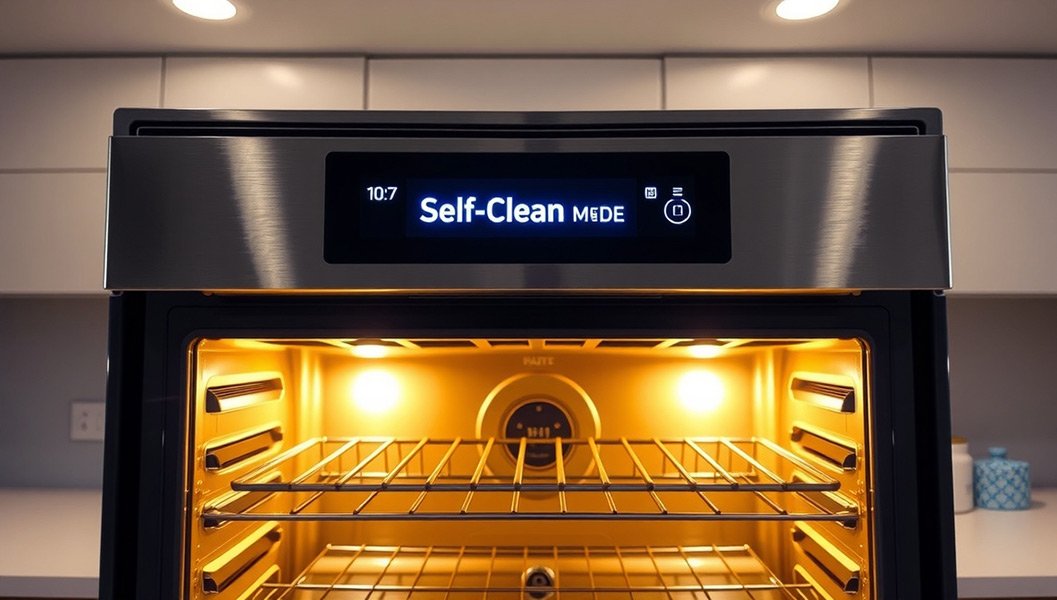
- Remove racks if recommended.
- Ensure good ventilation.
- Avoid chemicals before or during the cycle.
- Do not open mid-cycle; wait until fully cooled.
💡 Important: Self-cleaning is convenient, but doesn’t reach corners or racks. Manual cleaning is still necessary for stubborn stains. Combine both methods for the best results.
If Cleaning Doesn’t Give the Desired Result
Even after following these steps, some stains may persist:
- Reapply the baking soda paste and let it sit longer.
- Use a commercial oven cleaner for tough buildup.
- Gently scrub corners with a soft brush.
- Avoid metal or abrasive tools to prevent scratches.
- Ventilate your kitchen well.
A mix of self-cleaning and manual scrubbing is often the best way to clean a convection oven when residue won’t budge.
Tips to Keep Your Oven Clean Longer
Small habits prevent big messes:
- Wipe spills immediately after cooking.
- Remove crumbs from the bottom tray regularly.
- Schedule monthly deep cleans.
- Optional: Quick vinegar spray after every few uses keeps odors away.
Users who clean lightly every week rarely need heavy scrubbing.
Common Mistakes to Avoid while Cleaning an Oven
Even with the best cleaning routine, small mistakes can damage your oven or reduce its performance.
Here are a few things to watch out for when learning how to clean a convection oven safely:
- Using metal scrubbers that scratch oven surfaces.
- Spraying chemicals directly on heating elements.
- Skipping racks during self-cleaning.
- Waiting too long between cleanings (baked-on grease is harder to remove).
Eco-Friendly Cleaning Alternatives
If you prefer natural methods, you can still keep your oven spotless without harsh chemicals.
- Lemon juice: removes mild stains and odors naturally.
- Vinegar & water spray: works well for quick wipe-downs.
- Baking soda paste: effective on stubborn baked-on grime.
A mix of self-cleaning and manual scrubbing is often the best way to clean convection oven when residue won’t budge.
FAQs about Cleaning a Convection Oven
- It’s best to clean your convection oven once a month under normal use.
- If you bake or roast frequently, clean it every two to three weeks.
- Regular care prevents burnt smells and grease buildup.
- Following these how to clean convection oven steps helps it run efficiently and stay odor-free.
Yes, but it’s important to follow the manufacturer’s instructions. Always wear gloves and ensure proper ventilation while using chemical cleaners. Never spray directly on heating elements. If you prefer a natural approach, ingredients like baking soda, vinegar, or lemon juice work effectively for most types of grime.
No. Cleaning a hot oven can cause burns or accidents. Always wait until the oven has completely cooled down before starting. For ovens with a self-cleaning mode, also wait until the cycle finishes and the oven is fully cooled before wiping down any residue.
Self-cleaning is a convenient method for light buildup, as it burns off grease and food residue at very high temperatures. However, it does not reach corners, racks, or stubborn stains. Manual cleaning is still necessary for a truly spotless oven. Combining both methods provides the best results.
For stubborn spots, reapply a baking soda paste and let it sit longer. You can also use a commercial oven cleaner for tough buildup and gently scrub corners with a soft brush. Always ventilate the kitchen during this process to prevent lingering odors.
Absolutely! Simple, eco-friendly ingredients like baking soda, vinegar, and lemon juice work very well. Baking soda paste removes baked-on grime, vinegar spray helps neutralize odors and residue, and lemon juice adds a fresh scent while aiding cleaning. These natural methods are safe and effective for most ovens.
Proper ventilation is key—open windows or turn on a fan. Spot-clean spills promptly to avoid smoke buildup. Thick residues left in the oven can produce unpleasant odors during both manual and self-cleaning, so removing them beforehand helps prevent this.
Yes! Small daily habits make deep cleaning easier. Wipe minor spills immediately after cooking, remove crumbs from the bottom tray regularly, and use a vinegar-water spray on light stains weekly. Also, check for stuck-on food in corners before it hardens. These habits keep your oven cleaner for longer and reduce heavy-duty cleaning sessions.
Final Thoughts
A spotless oven means tastier meals, a safer kitchen, and longer appliance life. Following these easy steps to clean convection oven keeps it in great shape without expensive cleaners.
Ever wondered how your microwave can also bake like a pro? Dive into the science behind a Microwave Convection Oven — learn how it blends microwave speed with convection heat for crisp, evenly cooked meals every time. Perfect for anyone who loves smart, efficient cooking!






- Be Respectful
- Stay Relevant
- Stay Positive
- True Feedback
- Encourage Discussion
- Avoid Spamming
- No Fake News
- Don't Copy-Paste
- No Personal Attacks
- Be Respectful
- Stay Relevant
- Stay Positive
- True Feedback
- Encourage Discussion
- Avoid Spamming
- No Fake News
- Don't Copy-Paste
- No Personal Attacks
