Smart Energy Use: How to Save Power with Your Electric Kettle
Published: 21 Nov 2025
Ever noticed how often your electric kettle comes to the rescue — from your morning tea to quick pasta prep? It’s fast, easy, and a kitchen must-have. But here’s a surprise: your kettle can quietly use more power than you think if not used smartly.
In this guide, you’ll learn how to save energy with your electric kettle without giving up convenience. We’ll look at small daily habits that make a big difference, how to diagnose energy-wasting issues, and smart ways to keep your kettle efficient for years.
Ready to make your next cup of tea more energy-friendly? Let’s begin with the basics.
Understanding Electric Kettle Energy Use
Before learning to save energy, it helps to know how your kettle uses it. Electric kettles convert electricity into heat using a metal coil or plate. This heat quickly brings water to a boil — but more power is drawn when the kettle runs longer or boils excess water.
Most kettles use 1.5 to 3 kilowatts (kW) of power. The trick to saving energy lies not in reducing wattage but in using it wisely — by boiling only what you need and maintaining the kettle’s efficiency.
How to Calculate Your Kettle’s Energy Use
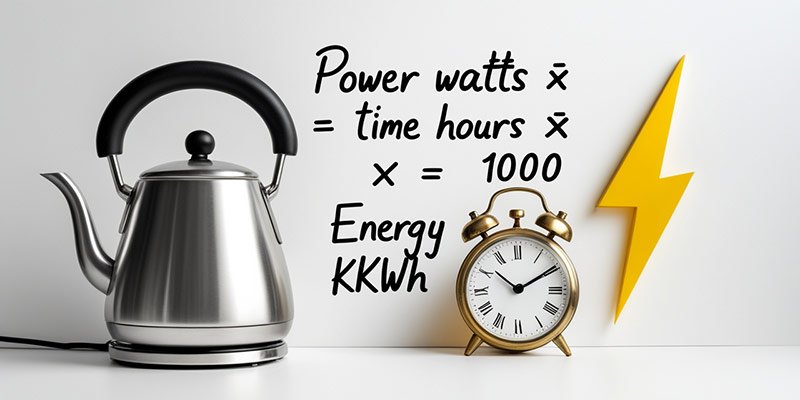
You can estimate your kettle’s energy consumption with a simple formula:
Energy (kWh) = Power (kW) × Time (hours)
For example, if your 2 kW kettle takes 3 minutes (0.05 hours) to boil water:
Energy = 2 × 0.05 = 0.1 kWh
That’s roughly a few cents per boil, depending on your electricity rate — small on its own, but it adds up if you boil repeatedly through the day.
Real-World Example
Imagine boiling a full kettle (1.5 liters) five times a day versus just what you need (0.5 liters). The first habit could triple your energy use for no added benefit. Over a month, that’s the difference between paying for wasted energy or keeping it in your pocket.
So now you understand what’s happening behind that quick boil. Next, let’s uncover how to diagnose and fix energy-wasting habits in your daily kettle routine.
Top 5 Diagnosing and Fixing Energy-Wasting Habits
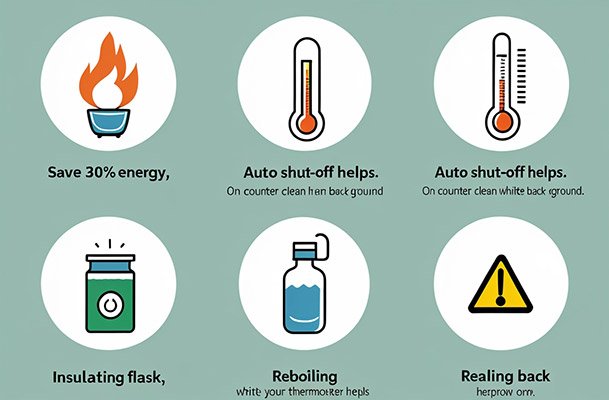
Even small habits can make your kettle work harder than it should. If you’ve noticed longer boiling times or higher electricity bills, it’s time for a quick check. Let’s look at common signs of energy waste and how to fix them easily.
Kettle Takes Too Long to Boil
If your kettle used to boil water in a flash but now feels sluggish, limescale buildup is likely the reason. This chalky layer blocks heat transfer, forcing the element to use more power.
Fix it: Descale every two weeks using equal parts vinegar and water. Rinse well before the next use.
Electricity Bills Are Higher Than Expected
Boiling more water than needed or reboiling cooled water wastes energy fast. Each extra boil can use up to 20% more power daily.
Fix it: Fill the kettle only for the number of cups you need. Keep a cup-measurement mark on your kettle for easy use.
Kettle Reboils Water Frequently
If your kettle reboils on its own or cools too quickly, poor insulation or a loose lid may be the cause.
Fix it: Always close the lid tightly to trap heat. If the body feels too hot on the outside, consider replacing it with a double-walled or insulated kettle.
These small checks can quickly restore efficiency. Once your kettle runs smoothly again, you’re ready to focus on energy-saving habits that last.
Top 5 Smart Energy Habits for Everyday Kettle Use
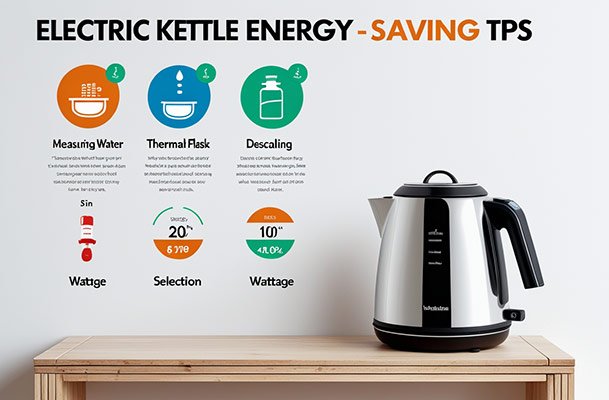
Now that your kettle is working efficiently, let’s focus on how to keep it that way. Small daily choices can make a big difference in both energy savings and your electricity bill. These practical habits are easy to follow and help extend your kettle’s lifespan, too.
1. Boil Only What You Need
It’s tempting to fill the kettle to the top, but every extra cup of water means more power used. Measure your water before each boil — it saves energy, time, and money.
2. Keep Your Kettle Clean
A clean kettle transfers heat faster. Descale every few weeks using vinegar or lemon water to prevent limescale buildup that slows boiling and wastes power.
3. Use Warm Tap Water When Safe
If your local water supply allows, start with slightly warm tap water. It shortens boiling time, meaning less energy is needed to reach the same temperature.
4. Unplug After Each Use
Even when off, many kettles draw a small “standby” current. Unplugging or switching off at the socket prevents this hidden energy drain.
Tip: The larger the kettle, the more energy it draws — especially if filled unnecessarily. Choose a size that matches your routine, not just for looks.
5. Choose the Right Kettle Size
A large kettle is great for families, but wastes power when you’re making just one cup. Match your kettle size to your daily use for better efficiency.
For more clever ways to use your electric kettle, explore our full guide on Electric kettle uses, types, and tips to get creative and save energy
Kettle Size and Power Consumption Guide
To help you understand how capacity influences energy use, here’s a quick comparison table you can refer to before buying or upgrading your kettle.
| Kettle Capacity | Average Power (kW) | Boiling Time (Minutes) | Estimated Energy Use (kWh per Boil) | Best For |
| 0.5 Liter (Small) | 1.2 – 1.5 kW | 1.5 – 2 | 0.03 – 0.05 | Single users, small kitchens |
| 1.0 Liter (Medium) | 1.5 – 2.0 kW | 2 – 3 | 0.05 – 0.08 | Couples, light daily use |
| 1.5 Liter (Standard) | 2.0 – 2.5 kW | 3 – 4 | 0.08 – 0.12 | Families, regular boiling |
| 2.0 Liter (Large) | 2.5 – 3.0 kW | 4 – 5 | 0.12 – 0.15 | Families, frequent tea or coffee use |
Tip: The larger the kettle, the more energy it draws — especially if filled unnecessarily. Choose a size that matches your routine, not just for looks.
Quick Fact: The Impact of Small Changes
Boiling just one cup instead of a full kettle can save up to 50% energy per use. Over a year, that’s enough power to run your fridge for several days — proof that little habits really count.
Smart Energy Takeaways
Saving electricity with your kettle doesn’t require big changes—just a few smart daily habits. These reminders help you boil efficiently and keep energy bills in check.
- Boil only what you need: Small batches heat faster and waste less power.
- Descale monthly: A clean heating element boils quickly and uses less energy.
- Use a thermal flask: It keeps water hot for hours, cutting down on reboiling.
- Keep the lid closed: Prevents heat loss and saves electricity.
- Check the wattage: Medium-watt kettles (around 1500–2000W) offer the best balance.
💡 Did you know? Boiling just the water you need can save up to 30% of energy every month. And kettles with temperature control can further cut power use by 10–15%.
FAQs about Electric Kettle Energy Consumption
An average kettle uses about 0.2–0.3 kWh per boil, depending on its wattage and how much water you heat. This equals a few rupees or cents per use. Using it multiple times daily can add up, so boiling only what you need makes a noticeable difference over time.
Yes, electric kettles heat water directly through a coil, transferring almost all energy to the water. Stovetops lose heat to the surroundings, and microwaves are slower for larger quantities. For speed and efficiency, kettles are the smartest choice for boiling water.
Definitely. Limescale buildup makes the heating element work harder, wasting electricity. Regular descaling every month helps your kettle heat faster, use less energy, and last longer. Clean kettles always perform more efficiently.
Yes, larger kettles require more energy to heat the same amount of water, especially if filled unnecessarily. For daily use, a 1–1.5L kettle offers the best balance between capacity and efficiency. Choosing the right size saves both time and electricity.
Boil only what you need, keep the lid closed, and use a thermal flask for storing hot water. Avoid reboiling and descale regularly to maintain performance. Simple daily habits like these can cut your energy use by up to 25–30%.
Electric kettles use high power for a short time, so they don’t consume a lot of electricity overall. Boiling only the water you need helps keep energy use low.
Wrapping Up Your Kettle’s Power Story
Electric kettles are small but mighty tools, and how you use them truly shapes your energy bill. By knowing your kettle’s wattage and using smart habits like boiling only what you need, you can enjoy hot drinks while keeping costs low.
Choosing the right kettle size and maintaining it regularly ensures lasting performance and efficiency. So, the next time you flip that switch, remember — saving power starts with simple, daily choices.
Keep exploring smarter, energy-efficient kitchen gadgets to make every cup count and every watt worth it, folks.
Why Temperature-Controlled Milk Frothers Matter: Best Models and Smarter Ways to Use Them



- Be Respectful
- Stay Relevant
- Stay Positive
- True Feedback
- Encourage Discussion
- Avoid Spamming
- No Fake News
- Don't Copy-Paste
- No Personal Attacks
- Be Respectful
- Stay Relevant
- Stay Positive
- True Feedback
- Encourage Discussion
- Avoid Spamming
- No Fake News
- Don't Copy-Paste
- No Personal Attacks
