Common Baking Oven Problems & How to Fix Them
Published: 10 Dec 2025
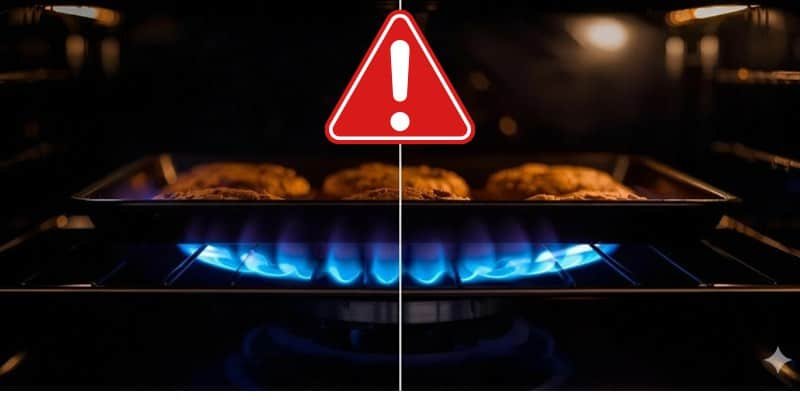
Baking can be frustrating when your oven doesn’t cooperate. Uneven cakes, burnt edges, or undercooked bread often mean something is off with your appliance. Understanding these problems is the first step to fixing them and ensuring perfect bakes every time.
Whether you have an electric oven or a gas oven, these baking oven troubleshooting tips will help you identify and fix common issues quickly. With the right knowledge, you can save time, prevent future problems, and keep your oven performing like new.
Why Does My Baking Oven Bake Unevenly?
Uneven baking is one of the most common frustrations for home bakers. Cakes, cookies, and bread may come out overcooked on one side and undercooked on the other. This problem can affect both electric ovens, where heating elements may fail, and gas ovens, which can have flame or airflow issues.
Faulty Heating Element
A broken or worn-out heating element is a top reason for uneven cooking. Signs include hot spots, burnt edges, or parts of your dish not cooking at all. Inspect the element visually for cracks or blisters.
Replacing it is usually straightforward in an electric oven, but always turn off the power before attempting a DIY fix.
If you often face issues with uneven heating, strange noises, or temperature drops, you can also check my guide on common baking oven problems and their solutions for quick fixes.
Temperature Sensor or Thermostat Issues
If your oven’s temperature is off, the sensor or thermostat may be faulty. Symptoms include longer cooking times or food not reaching the right doneness.
Use an oven thermometer to check the actual temperature. Calibration or sensor replacement usually solves the problem, especially in electric ovens.
Worn-Out Door Gasket or Seal
A damaged oven gasket lets heat escape, causing uneven cooking and longer baking times. Look for cracks, tears, or deformation around the door seal.
Cleaning, repositioning, or replacing the gasket can restore proper heat distribution in both electric and gas ovens.
Poor Airflow & Rack Placement Problems
Proper airflow and rack placement are crucial for even baking. Blocked vents or overcrowded trays can stop heat from circulating, leaving parts of your dish undercooked or burnt.
These issues can occur in both electric ovens and gas ovens, so adjusting airflow and rack positions is essential for all types of baking ovens.
Overcrowded Oven or Blocked Vents
Placing too many trays or blocking oven vents reduces airflow, causing uneven baking. Leave enough space between trays and ensure vents are clear.
Proper circulation allows hot air to reach every part of the dish, whether you’re using an electric oven or a gas oven.
Rack Too High or Too Low
Oven racks affect how heat reaches your dishes. Racks placed too high can burn the top while leaving the bottom undercooked, and racks too low do the opposite.
For most baked goods, the middle rack gives the best even heat distribution. Adjust racks according to your oven type for optimal results.
To better understand your oven and troubleshoot effectively, learn the key differences between a convection microwave oven and a baking oven.
Oven Doesn’t Maintain Temperature or Heats Too Slowly
An oven that can’t maintain a steady temperature can ruin recipes, especially delicate baked goods. Temperature problems can affect any baking oven, but electric ovens may heat slowly if elements are old, while gas ovens can experience inconsistent flames or burner issues. Knowing the cause helps you decide whether a DIY fix is possible or if professional help is needed.
Faulty Fan or Ventilation (for Convection Ovens)
In convection ovens, the fan circulates heat evenly. A faulty or dirty fan can cause uneven temperatures, leaving parts of your dish undercooked.
Cleaning the fan blades or checking for obstructions often restores proper airflow and even baking, whether you have an electric oven or a gas oven.
Old or Poor-Quality Oven Components
Older ovens or low-quality parts can heat slowly or fluctuate in temperature. Electric ovens may suffer from worn heating elements, while gas ovens can have ignition or burner problems. Some issues can be fixed with minor repairs, but replacing worn-out parts or upgrading the oven may be the best long-term solution.
Simple DIY Fixes & When to Call a Technician
Some baking oven problems are easy to fix at home, while others need professional help. Knowing the difference can save time, money, and prevent accidents.
DIY Fixes:
- Replace a faulty heating element carefully after turning off the power. Works well for electric ovens, but gas ovens often require caution due to ignition parts.
- Check oven temperature with a thermometer and recalibrate or replace sensors if needed.
- Clean fan blades, vents, and racks to restore proper airflow.
When to Call a Technician:
- Persistent uneven baking despite DIY fixes.
- Electrical issues, sparks, or strange odors.
- Gas oven problems, including ignition failures or leaks.
Adding these safety tips ensures both electric and gas oven users know when DIY is safe and when professional help is necessary.
For a clear guide on using your oven properly, read our step‑by‑step “how to use a baking oven” tutorial.
Preventive Maintenance Tips
Regular maintenance keeps your baking oven working efficiently and prevents costly repairs. A few simple habits can extend your oven’s life and ensure even baking every time.
- Clean Your Oven Regularly: Wipe spills promptly and deep clean every 3–4 months. (Link internally to your oven cleaning guide.)
- Inspect Gasket and Heating Elements: Check for cracks, tears, or damage, and replace when necessary. Works for both electric ovens and gas ovens.
- Avoid Overloading Trays: Crowding the oven reduces airflow and leads to uneven cooking.
- Use an Oven Thermometer: Monitor the actual temperature to catch issues early.
By following these simple steps, your electric or gas baking oven will stay reliable and make every bake a success.
Troubleshooting Checklist
This quick-reference table summarizes the most common baking oven problems, their symptoms, quick fixes, and when to call a professional.
It’s a handy guide for home bakers using both electric and gas ovens.
| Problem | Symptom | Quick Fix | When to Call Pro |
| Faulty heating element | Hot spots, burnt edges | Replace the element carefully (electric ovens) | If a broken or electrical issue persists |
| Temperature sensor | Incorrect oven temperature | Calibrate or replace the sensor | If temperature fluctuates continuously |
| Worn-out gasket | Heat leaks, uneven baking | Clean, reposition, or replace the gasket | If damaged or torn |
| Poor airflow | Uneven baking, slow cooking | Adjust rack placement, clean vents/fan | If issue persists despite cleaning |
Using this checklist makes baking oven troubleshooting faster and easier, helping both electric and gas oven users fix issues before they ruin your recipes.
FAQs:
Uneven baking usually happens due to faulty heating elements, poor airflow, or incorrect rack placement. Check your oven temperature and ensure trays aren’t overcrowded. Adjusting racks and cleaning vents often fixes the issue.
Use an oven thermometer to compare the actual temperature with the set temperature. Large differences indicate a faulty thermostat or sensor. Recalibrating or replacing the sensor usually solves the problem.
Small DIY replacements are possible if you turn off the power first and follow instructions. If electrical issues persist or the oven is gas-powered, call a certified technician for safety.
The middle rack works best for most baked goods. Avoid placing trays too high or low, as it can burn the top or undercook the bottom. Proper spacing also helps hot air circulate evenly.
Check if the fan is working properly and the vents are not blocked. Overcrowding trays can also reduce airflow. Cleaning the fan and adjusting the rack placement usually fixes the problem.
Keep Your Oven Baking Perfectly Every Time
Baking oven problems can be frustrating, but most issues are easy to identify and fix with the right knowledge. From faulty heating elements to poor airflow, knowing the common causes helps you troubleshoot effectively.
Following this baking oven troubleshooting guide lets you solve issues quickly and maintain your oven for consistent, delicious results every time.






- Be Respectful
- Stay Relevant
- Stay Positive
- True Feedback
- Encourage Discussion
- Avoid Spamming
- No Fake News
- Don't Copy-Paste
- No Personal Attacks
- Be Respectful
- Stay Relevant
- Stay Positive
- True Feedback
- Encourage Discussion
- Avoid Spamming
- No Fake News
- Don't Copy-Paste
- No Personal Attacks
