Avoid Pressure Cooker Accidents: 7 Safety Tips You Must Know
Published: 13 Nov 2025
A sudden hiss or pop can turn a kitchen moment into a disaster in seconds. Let’s see how these 7 Safety Tips to Avoid Pressure Cooker Accidents help you cook smarter and stay safe. Smart pressure control and regular maintenance protect your meals, your kitchen, and everyone around you. A pressure cooker can make meals even easier and faster. Cooking safely doesn’t mean losing flavor—it means mastering it.
Understanding How a Pressure Cooker Works
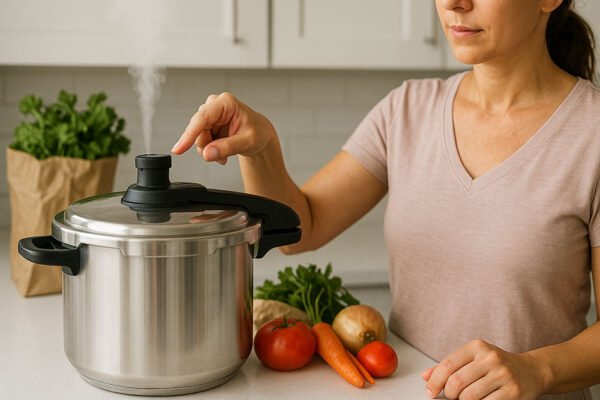
Before we get into the pressure cooker safety tips, it helps to understand what’s happening inside that sealed pot. A pressure cooker traps steam, building high pressure that raises the boiling point of water. This means your food cooks up to three times faster while locking in flavor and nutrients.
Think of it like a supercharged kettle — the steam inside doesn’t escape, so the temperature climbs higher, softening beans, meat, and grains in minutes. But if the sealing ring, valve, or vent is blocked or misused, that same pressure can cause leaks or scary bursts. Once you know how it works, the cooker becomes your safest, smartest kitchen ally.
Follow These 7 Steps to Avoid Accidents Every Time
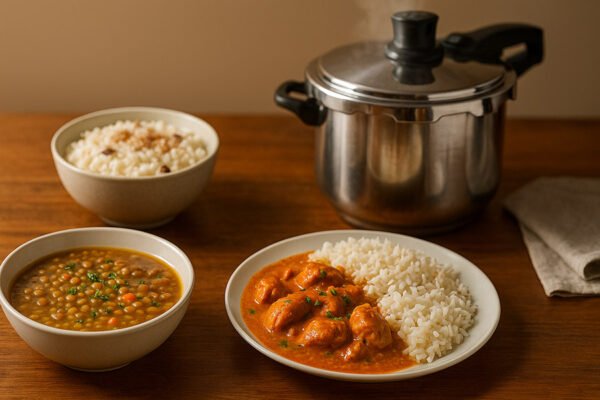
A pressure cooker can be your best kitchen helper — or your biggest fear — depending on how you use it. These 7 pressure cooker safety tips will help you to avoid accidents and enjoy safe, stress-free cooking and getting perfectly tender meals every time.
1. Properly Seal the Lid
Properly sealing the lid each time is the first step to avoid pressure cooker accidents. The rubber gasket (the soft ring under the lid) keeps steam inside while cooking. Always check that it’s clean, flexible, and fitted properly before locking the lid.
💡 Pro move: Replace the gasket every 12–18 months — it’s an easy fix that prevents 90% of sealing issues.
2. Don’t Overfill — Follow the 2/3 Rule
Too much liquid or food can block the steam vent, creating unsafe pressure levels. A simple rule: fill only ⅔ of the pot for most recipes, and ½ for foamy foods like beans or lentils.
This small habit keeps pressure steady and your kitchen calm.
3. Use the Natural Release for Thick Foods
When cooking soups or lentils, let steam escape naturally instead of forcing it out. The natural release method allows pressure to drop slowly, preventing splatter or burns.
Use quick release only for light foods like veggies or eggs. The right release keeps both you and your meal safe.
4. Use the Right Amount of Liquid
Every pressure cooker recipe starts with water — it’s what builds steam. Always add at least 1 cup of liquid for most dishes, or 2 cups for grains and beans.
Without enough liquid, your cooker can’t build or maintain pressure, increasing the risk of overheating.
5. Cook Beyond Basics — Smart Everyday Uses
Your cooker isn’t just for rice and beans. Explore these smart uses to make weekday cooking a joy.
You can prepare soups, stews, pasta, or even desserts like puddings and cakes. Try this quick recipe to see how versatile it really is:
Mini Recipe: Pressure Cooker Chicken Curry
- Add 1 tbsp oil, onions, and garlic; sauté on “Sauté” mode (or stovetop).
- Add chicken, spices, tomatoes, and 1 cup water.
- Lock the lid and cook for 12 minutes on High Pressure.
- Let it naturally release for 10 minutes before opening.
You’ll get tender chicken and rich flavor — no long simmering needed.
6. Clean the Valve and Vent Regularly
After each use, check that the steam vent and safety valve are clear. Food bits can block them, trapping unwanted pressure.
🧽 Clean-Up Checklist:
- Remove and rinse the valve under warm water.
- Wipe the gasket and lid edges.
- Let parts dry completely before reassembling.
A few seconds of cleaning prevents most accidents.
7. Follow Built-In Safety Indicators
Modern pressure cookers come with float valves, auto-lock lids, and pressure sensors. These are your built-in safety guards — let them do their job.
Never force the lid open; wait for the float valve to drop. This one habit ensures you never face a sudden steam release again.
To make your kitchen safer overall, consider investing in a few Budget-friendly tools that make cooking safer — they not only save time but also prevent mishaps like spills or burns.
Types of Pressure Cookers and Which One’s Safest
Not all pressure cookers are built the same — and choosing the right one can make a huge difference in both safety and ease of use. Some offer full control, while others handle everything automatically. Here’s how they compare:
| Type | Key Feature | Best For |
| Stovetop Pressure Cooker | Manual heat control and faster cooking | Experienced cooks who like hands-on precision |
| Electric Pressure Cooker | Automatic pressure, timing, and release settings | Beginners and busy families |
| Smart Pressure Cooker | Built-in sensors, digital timers, and safety locks | Tech-savvy cooks who love automation Type |
If you’re just starting out, go for an electric pressure cooker. It’s forgiving, efficient, and equipped with multiple safety systems that prevent most common kitchen mishaps.
Safety-First Cooking Approaches
A few small habits can make your pressure cooker last longer, perform better, and keep your kitchen calm. These cooking approaches help you cook with confidence without being afraid of accidents.
- Check the gasket and lid seal before each use. A tight, clean seal ensures even pressure buildup and avoid accidents.
- Let pressure drop naturally before opening. Rushing this step can lead to steam burns.
- Use tongs or a towel when releasing steam. Keep your hands safe from direct contact.
- Dry parts before reassembling. Moisture can weaken seals or cause rust.
- Store the cooker with the lid upside down. This prevents odor buildup and preserves the gasket shape.
Treat your cooker like a trusted partner — these gentle habits make it safer, longer-lasting, and always ready to serve your next delicious meal.
Pressure Cooker Recipe Cheat Sheet

So now, you’ve taken care of the kitchen accidents and mastered the safety precautions—now it’s time for the payoff!
Ready to put pressure cooker uses into action? Here’s your hard-earned quick recipe cheat sheet to help you cook confidently and safely. Each dish is easy, flavorful, and perfect for busy days when you need fast results without the fuss.
| Recipe | Cook Time | Pressure Setting | Liquid |
| Chicken Curry | 12 min | High | 1 cup |
| Lentil Soup | 10 min | High | 2 cups |
| Steamed Vegetables | 3 min | Medium | ½ cup |
| Rice Pudding | 8 min | Low | ½ cup |
You’ll love how these meals turn out — tender, flavorful, and ready in minutes. Once you try them, you’ll see why your pressure cooker is more than just a quick-fix tool — it’s your shortcut to smart, safe cooking.
FAQs About Pressure Cookers
Explosions are extremely rare with modern cookers. Most “accidents” happen due to overfilling, blocked vents, or worn gaskets. If you follow proper pressure cooker safety tips while cooking — sealing well, maintaining valves, and letting pressure drop naturally — it’s completely safe to use.
A pressure cooker can make soups, stews, rice, beans, and even desserts in minutes. It saves energy and locks in nutrients for better-tasting meals. With the right uses, you can cut cooking time by up to 70%. It’s perfect for busy home cooks who want quick, healthy results.
Follow the safety tips, maintain your gasket and valves, and never overfill your cooker. This helps you avoid pressure cooker accidents and ensures safe, stress-free cooking.
Add at least one cup of water or broth to build enough steam pressure. For thicker dishes like beans or grains, increase to 1½ or 2 cups. Too little liquid can trigger safety shut-offs. Always check your cooker’s manual for the right liquid levels.
Wait until your cooker cools completely, then remove the valve carefully. Rinse it under warm water to clear food residue or grease. Use a soft brush or toothpick for tight areas. Regular valve cleaning ensures steady pressure and prevents leaks or blockages.
Final Advice
The pressure cooker is truly your safest and fastest kitchen buddy when used wisely. By applying these 7 essential tips to avoid pressure cooking accidents, you transform a powerful tool into an asset.
Remember, cooking safely doesn’t mean you miss out on flavor; it means you master pressure control and maintenance to unleash incredible flavor every time. Keep these safety principles front of mind, stay curious, and let your kitchen work smarter for you.
For more safe cooking tips, you can also check our Air fryer usage guide to learn how to handle another popular kitchen appliance safely.






- Be Respectful
- Stay Relevant
- Stay Positive
- True Feedback
- Encourage Discussion
- Avoid Spamming
- No Fake News
- Don't Copy-Paste
- No Personal Attacks
- Be Respectful
- Stay Relevant
- Stay Positive
- True Feedback
- Encourage Discussion
- Avoid Spamming
- No Fake News
- Don't Copy-Paste
- No Personal Attacks
