Are Air Purifiers a Waste of Money? Pros and Cons Explained
Published: 27 Nov 2025
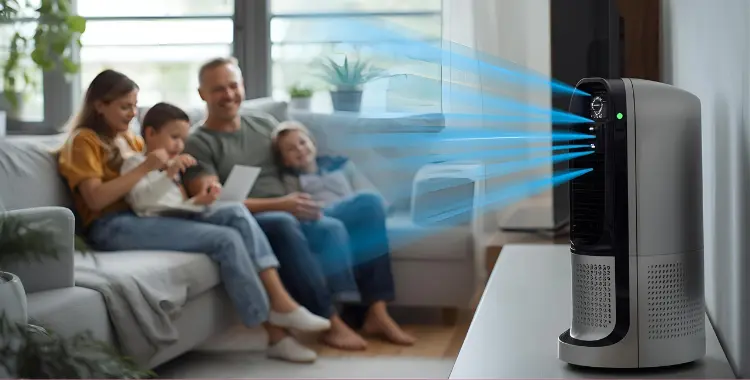
Indoor air quality has become a major concern, especially in urban areas where pollution levels are rising. Many people wonder if investing in an air purifier is worth it or just a waste of money. In this guide, we’ll break down how air purifiers work, their advantages and disadvantages, and whether they truly improve the air you breathe.
By the end, you’ll have the insights to decide if an air purifier is a smart addition to your home or office.
What is an Air Purifier?
An air purifier is a device designed to remove pollutants and particles from indoor air. It works by drawing in air, passing it through filters, and releasing cleaner air back into the room. Air purifiers are especially useful for people living in areas with high pollution, dust, smoke, or pollen.
Most modern air purifiers use HEPA filters, which can trap tiny particles like dust, pollen, and pet dander. Some models also include activated carbon filters to reduce odors and chemicals, or ionizers that help settle airborne particles. Choosing the right purifier depends on your room size, the type of pollutants you want to remove, and how often you plan to use it.
How Does An Air Purifier Works
Air purifiers improve indoor air by capturing pollutants like dust, pollen, mold spores, and pet dander. Many use HEPA filters for tiny particles and activated carbon filters to remove odors, smoke, and chemical fumes.
Some models use ionizers or UV light to reduce germs and bacteria, and many combine multiple technologies for more effective cleaning. Choosing the right purifier ensures healthier, fresher air in your home.
Cost‑Effectiveness: Are Air Purifiers a Waste of Money
Not all air purifiers are fully effective or necessary. Considering cost versus benefits helps you make the best choice for your home.
1. Compare Purchase and Maintenance Costs
Air purifiers vary widely in price, and ongoing costs include filter replacements and electricity.
- HEPA and carbon filters may need changing every 3–12 months.
- Energy-efficient models can reduce electricity expenses over time.
Understanding both upfront and ongoing costs helps determine overall value.
2. Evaluate Air Quality Issues in Your Home
Purifiers are most useful when specific pollutants are present, like dust, smoke, or allergens.
- Homes near traffic, construction, or high pollution areas see the most benefit.
- Indoor air monitors or professional inspections can measure pollutant levels.
Knowing your air quality ensures you invest only if the purifier will make a difference.
3. Decide Based on Your Health Priorities
People with allergies, asthma, or weakened immunity may benefit more than others.
- Air purifiers can reduce exposure to triggers and airborne germs.
- Even if costly, the health benefits may justify the investment.
- Using an air purifier can complement medications or other treatments for respiratory issues.
- A cleaner environment may reduce long-term healthcare expenses by preventing frequent illness.
- For families with children or elderly members, purifiers can provide extra protection against airborne pathogens.
Balancing cost with personal health needs will help you determine if a purifier is truly worth it.
4. Check Room Size Compatibility
Choosing a purifier that matches your room size prevents wasted energy and poor results.
- A small purifier won’t handle large areas effectively.
- Oversized units may consume more power than needed.
Always check the CADR rating or manufacturer’s room-size guide before buying.
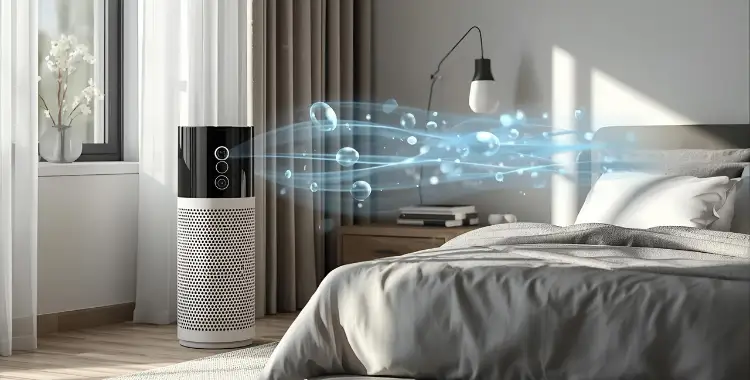
5. Consider Long-Term Use and Sustainability
An air purifier’s long-term value depends on durability and filter availability.
- Models with washable or reusable filters lower annual costs.
- Choosing energy-saving or eco-friendly designs reduces environmental impact.
- Some units may require occasional professional servicing to maintain optimal performance.
Sustainable choices can make your investment both cost-effective and responsible.
To improve your unit’s efficiency, follow this easy tutorial on Properly cleaning an Air Purifier
Advantages of Having an Air Purifier
Installing an air purifier at home can offer many health and comfort benefits. Here are five key advantages you should know about:
1. Reduces Allergy and Asthma Triggers
Air purifiers help remove common airborne irritants, making your home safer for allergy and asthma sufferers.
- Dust, pollen, pet dander, and mold spores are trapped before they circulate.
- Chemicals from cleaning products or air fresheners are filtered out.
This can significantly reduce allergy or asthma flare-ups and improve breathing indoors.
2. Eases Symptoms from Poor Indoor Air Quality
Even if allergies aren’t an issue, poor indoor air can cause discomfort and minor health issues.
- Scratchy eyes, throat, or skin, headaches, sneezing, and coughing may be reduced.
- Fatigue, dizziness, or nausea linked to poor air quality can improve.
If you feel better outside your home, it may indicate that your indoor air needs improvement.
3. Removes Lingering Odors
Persistent odors from cooking, smoke, or pets can be hard to eliminate.
- Activated carbon or charcoal filters help neutralize strong smells.
- Some purifiers also use ozone-free technology to reduce stubborn odors safely.
- This keeps your home smelling fresh and comfortable.
Air purifiers are particularly useful in kitchens, smoking areas, or homes with pets.
4. Supports Overall Health and Reduces Germs
Certain air purifiers can trap bacteria, viruses, and mold spores, lowering the risk of illness.
- Models with UV light or advanced filtration provide extra protection against airborne pathogens.
- Continuous purification supports overall household health.
Using a purifier alongside good hygiene and ventilation enhances its effectiveness.
5. Improves Sleep Quality
Cleaner air can create a more comfortable environment for rest and relaxation.
- Allergens, dust, and odors are reduced, leading to fewer nighttime irritations.
- Many users report better overall sleep and feeling more refreshed in the morning.
If your purifier seems ineffective, check our detailed Air Purifier Troubleshooting guide.
Disadvantages & When They Might Be a Waste of Money
While air purifiers offer many benefits, they aren’t perfect for every situation. Understanding their limitations can help you decide if an air purifier is worth the investment.
1. Initial and Ongoing Costs
Air purifiers can require a significant investment upfront, plus ongoing expenses for replacement filters and maintenance.
- High-end models with advanced features like UV light or smart sensors can cost more.
- Replacement filters need to be changed regularly, adding recurring costs.
These costs can make some people question whether buying a purifier is truly worthwhile.
2. Limited Coverage
Most air purifiers are designed for specific room sizes, so using a smaller unit in a large space may not be effective.
- Ineffective coverage can result in minimal air quality improvement.
- Multiple units may be needed for large homes, increasing the overall cost.
- Placement within the room affects efficiency; poorly positioned units may not clean the air evenly.
It’s important to match the purifier size to your room for optimal results.
For placement guide, see our section on Where to place your Air Purifier in a bedroom to ensure optimum coverage and performance.
3. Noise Levels
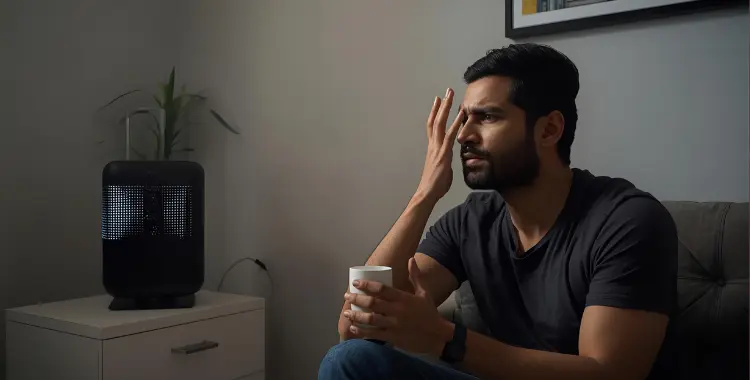
Some purifiers can produce noticeable noise, particularly on higher settings.
- Constant background noise may disrupt sleep or concentration.
- Fan speed adjustments may be necessary, which can reduce cleaning efficiency.
Choosing a quieter model or placing it away from bedrooms can help mitigate this issue.
4. Does Not Solve Root Causes
Air purifiers clean the air but cannot remove the source of pollution, such as smoke, mold, or chemical fumes.
- Pollutants continue to enter from outside or from household activities.
- Additional measures like proper ventilation or source control are still required.
For best results, air purifiers should be part of a broader indoor air quality plan.
5. False Sense of Security
Relying solely on an air purifier may lead to neglecting proper ventilation and regular cleaning.
- Purifiers are a helpful complement but cannot replace good household hygiene and airflow management.
- Over-reliance can lead people to ignore other air quality improvements, like reducing indoor smoking or using exhaust fans.
- Ignoring regular filter maintenance can reduce effectiveness and create a false sense of safety.
- Assuming one purifier will clean the air in the entire house can lead to poor coverage in certain rooms.
Always remember that purifiers are a tool, not a complete solution on their own.
Frequently Asked Questions (FAQ)
Maintenance costs include filter replacements and electricity usage. HEPA filters typically last 6–12 months, while carbon filters may need changing every 3–6 months. Factoring these costs helps you decide if a purifier is cost-effective for your home.
Yes, purifiers can reduce allergens, dust, and airborne germs, which may help with breathing, sleep, and general comfort. But they do not eliminate all pollutants, so combining them with cleaning and proper ventilation is important.
Not entirely. While opening windows improves airflow, it does not remove fine particles, smoke, or pollen effectively. In areas with high pollution or allergens, an air purifier provides more reliable air quality control.
Some purifiers, especially those with HEPA or UV filters, can trap bacteria and viruses in the air. However, they are not a complete solution. Good hygiene, ventilation, and preventive measures are still necessary for protection.
Consider your room size, the type of pollutants you want to remove, and the filter type. A purifier with true HEPA and activated carbon filters is generally the most effective. Choosing the right model ensures you get value for your money.
Are Air Purifiers Worth It?
Air purifiers can improve indoor air quality by reducing dust, pollen, smoke, and some germs, making them especially useful for allergy or asthma sufferers. They work best alongside proper ventilation, cleaning, and source control.
Choosing the right model for your room size and health needs ensures maximum value. With the right purifier, you can breathe easier, sleep better, and enjoy cleaner air at home.




- Be Respectful
- Stay Relevant
- Stay Positive
- True Feedback
- Encourage Discussion
- Avoid Spamming
- No Fake News
- Don't Copy-Paste
- No Personal Attacks
- Be Respectful
- Stay Relevant
- Stay Positive
- True Feedback
- Encourage Discussion
- Avoid Spamming
- No Fake News
- Don't Copy-Paste
- No Personal Attacks
