Stainless Steel vs Plastic vs Glass Kettle: Which Material Is Healthiest and Most Durable?
Published: 17 Nov 2025
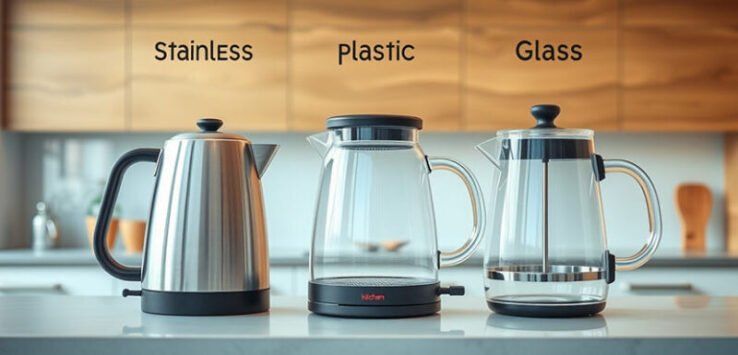
Choosing the right kettle isn’t just about boiling water—it’s about safety, taste, and long-term health. Stainless steel, plastic, and glass kettles each have unique benefits and drawbacks. Some materials may affect the flavor of your water, while others might release chemicals if not high-quality.
In this guide, we’ll compare these three popular kettle types to help you pick the healthiest and most durable option for your kitchen.
By the end, you’ll know which kettle material suits your lifestyle, budget, and health preferences.
Stainless Steel Kettles – Strong, Safe, and Long-Lasting
Stainless steel kettles are a popular choice for health-conscious users. They are made from high-quality steel, which doesn’t react with water or release harmful chemicals.
These kettles are durable, rust-resistant, and often the safest option for daily use. They heat water quickly and maintain temperature well, making them ideal for families and frequent tea or coffee drinkers.
Key Features and Performance
- Made of high-grade stainless steel (often 304 or 316 grade)
- Quick heating and excellent heat retention
- Durable and resistant to scratches or rust
- Usually comes with safety features like auto shut-off
Suggested Brands & Models
- Chefman Electric Kettle 1.8 L 1500W – approx $28 USD (Amazon)
- Cuisinart Soho Electric Kettle – approx $50 USD (Amazon)
- Bosch Sky Electric Kettle – around $95 USD (Amazon)
Pros and Cons:
| Pros |
|---|
|
| Cons |
|---|
|
Health Perspective:
Stainless steel is generally the safest material for kettles. It does not leach chemicals, and if you choose high-grade stainless steel, your water stays pure and odor-free.
Plastic Kettles – Affordable and Lightweight Option
While stainless steel kettles are excellent for durability and health, some people prefer plastic kettles for their lightweight design and budget-friendly price.
Plastic kettles are easy to handle and often come in a variety of colors and modern designs. They heat water quickly and are convenient for daily use, especially for small households or frequent travelers.
However, not all plastic kettles are created equal. Choosing a high-quality, BPA-free plastic kettle is crucial to ensure your water remains safe and free from harmful chemicals.
Key Features and Performance
- Lightweight and easy to carry
- Affordable and widely available
- Quick heating for everyday use
- Often features cool-touch exteriors and auto shut-off
Plastic Kettles (BPA‑Free)
- LIVINGbasics Electric Glass Kettle 1.7 L – approx $39.99 USD (Amazon)
- OVENTE Electric Kettle, 1.7L – approx $13.99 USD (Amazon)
- 2200W Plastic Electric Kettle PP Material BPA‑Free – approx $35.99 USD (Amazon)
Pros and Cons:
| Pros |
|---|
|
| Cons |
|---|
|
Health Perspective:
High-quality BPA-free plastic kettles are generally safe for boiling water. However, plastic kettles can pose risks if the material is low-grade, especially when exposed to high temperatures repeatedly. Always check for BPA-free certification to ensure water safety.
While plastic kettles are convenient and lightweight, those seeking pure taste and an elegant design might prefer glass kettles. Let’s take a closer look at how glass kettles compare.
To learn how to make the most of your kettle, including clever daily hacks and tips, check out our full guide on Electric Kettle Uses, Types, and Tips
Glass Kettles – Stylish and Pure-Tasting
For those who prioritize taste and aesthetics, glass kettles are an excellent choice. Made from high-quality borosilicate glass, these kettles ensure that your water remains pure and free from chemical taste. They also allow you to see the water level and boiling process, adding a modern touch to your kitchen.
Glass kettles are ideal for health-conscious users who want a safe and elegant way to boil water, though they require careful handling due to their fragile nature.
Key Features and Performance
- Transparent design for easy water monitoring
- Made of durable borosilicate glass
- Maintains pure water taste without any metallic or plastic odor
- Often equipped with stainless steel or plastic bases for safety
Glass Kettles (Borosilicate)
- Living Plus Glass Electric Kettle 1.5 L – (~$35-40 USD) (Amazon)
- Cosori Electric Kettle 1.8 L – (~$24.99-27.99 USD) (Amazon)
- Teabloom Purity Glass Whistling Kettle (7-Cup) – (~39.95 USD) (Amazon)
Pros and Cons:
| Pros |
|---|
|
| Cons |
|---|
|
Health Perspective:
Glass kettles are among the healthiest options since they do not leach chemicals or affect the water’s taste. For families and tea or coffee enthusiasts, they are a safe and elegant choice, provided care is taken to avoid breakage.
Now that we’ve explored each material individually, let’s compare stainless steel, plastic, and glass kettles side by side to help you make an informed decision.
Comparing Stainless Steel, Plastic, and Glass Kettles
When choosing the right kettle, it’s helpful to see how each material stacks up in terms of health, durability, taste, and convenience. Here’s a quick comparison:
| Feature | Stainless Steel Kettle | Plastic Kettle | Glass Kettle |
| Durability | Excellent – resists rust and scratches | Moderate – may warp or degrade over time | Fair – fragile, can crack |
| Safety / Health | Very safe – no chemical leaching | Safe if BPA-free; low-quality plastic may release chemicals | Very safe – pure water, no chemicals |
| Taste Neutrality | Excellent – does not affect water flavor | Can absorb odors, sometimes affects taste | Perfect – completely pure taste |
| Heat Retention | Very good – keeps water hot longer | Moderate – cools faster | Moderate – cools faster than steel |
| Weight | Moderate | Very light | Heavy |
| Ease of Cleaning | Easy | Easy | Requires careful cleaning to avoid breakage |
| Price Range | Mid–High | Low | Mid–High |
With these differences in mind, let’s see which kettle material might be best for your specific needs.
Choosing the Right Kettle for Your Needs
Picking the best kettle depends on your daily habits, health priorities, and kitchen style. Here’s a guide to help you decide:
- For Health-Conscious Users:
Choose stainless steel or glass kettles. Both materials do not leach chemicals, ensuring your water remains pure and safe for daily use. Glass kettles also give a clear view of the water, helping you spot any impurities. - For Budget-Friendly or Portable Needs:
Plastic kettles are lightweight, easy to carry, and affordable. Make sure the kettle is BPA-free to avoid potential chemical exposure. - For Durability and Frequent Use:
Stainless steel kettles are strong, rust-resistant, and last for years. They are perfect for families, heavy tea or coffee drinkers, or anyone wanting long-term reliability. - For Style and Modern Kitchens:
Glass kettles are visually appealing and stylish. They combine safety and elegance, making them a great addition to contemporary kitchens.
FAQs About Kettle Materials
Stainless steel and glass kettles are the safest choices because they do not release chemicals into water. They maintain pure taste and are ideal for frequent use. High-quality BPA-free plastic kettles can also be safe, but low-grade plastic may leach harmful substances over time, so quality matters.
Glass kettles are made from durable borosilicate glass, which resists high temperatures. However, they remain fragile compared to metal or plastic and can crack if dropped or handled roughly. Gentle handling is essential, especially when washing or moving a full kettle.
Low-quality plastic kettles can sometimes absorb odors or subtly change the water taste, especially with frequent boiling. Choosing BPA-free, high-quality plastic minimizes this issue. Regular cleaning also helps keep your water tasting fresh.
Stainless steel kettles retain heat the best, keeping water warmer for longer periods. Plastic kettles cool faster, while glass kettles lose heat the quickest. If you want hot water for multiple cups, stainless steel is the most efficient choice.
Stainless steel is the best all-around option for durability, health, and ease of cleaning. Glass is excellent for pure taste and safe water, while plastic is convenient and lightweight. Your choice depends on whether health, style, or portability is your priority.
Which Kettle Material Should You Choose?
Choosing the right kettle depends on your priorities for health, durability, and taste. Stainless steel kettles are the most reliable, offering long-lasting performance, easy cleaning, and safe, chemical-free water. Glass kettles provide a pure taste and a stylish look, making them ideal for those who value aesthetics and safety. Plastic kettles are lightweight, portable, and budget-friendly, but make sure to select a BPA-free model to protect your health.
By considering your daily use, family needs, and kitchen style, you can select the kettle that best suits your needs.
For a deeper dive into how to use different mixing and blending tools in your kitchen, check out this guide on Hand Blender vs Hand Mixer.





- Be Respectful
- Stay Relevant
- Stay Positive
- True Feedback
- Encourage Discussion
- Avoid Spamming
- No Fake News
- Don't Copy-Paste
- No Personal Attacks
- Be Respectful
- Stay Relevant
- Stay Positive
- True Feedback
- Encourage Discussion
- Avoid Spamming
- No Fake News
- Don't Copy-Paste
- No Personal Attacks
