What is a Microwave Convection Oven and How Does it Work?
Published: 15 Oct 2025
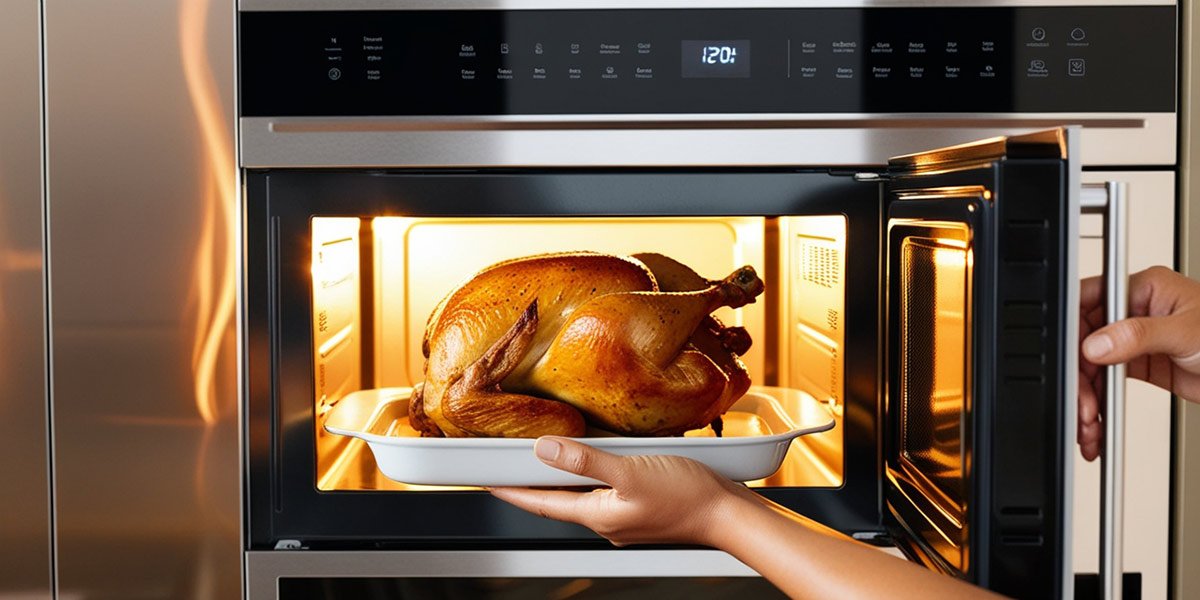
Ever wondered how a microwave convection oven can bake a cake, roast chicken, and reheat leftovers — all in one appliance? This versatile kitchen gadget combines the quick heating of a microwave with the even browning power of a convection oven. The result? Faster cooking, crispier textures, and more energy-efficient meals. Whether you’re a busy home cook or love experimenting with recipes, understanding how a microwave convection oven works will help you get the most out of your everyday cooking.
At a Glance
Before diving into the details, here’s a quick overview of what this appliance offers.
| Feature | Details |
| Size | Compact countertop or built-in (12–30 L typical) |
| Main Functions | Microwave heating, convection baking, grilling, and combination modes |
| Power Range | 800–1500 W (microwave) + 1000–2000 W (convection element) |
| Best For | Small kitchens, quick reheats, crisp textures, and multi-mode meals |
| Quick Benefit | Faster than a traditional oven, yet it gives better texture than a plain microwave. |
— This hybrid kitchen helper saves time, space, and effort in cooking.
Getting to Know Your Microwave Convection Oven
This smart oven isn’t just for reheating leftovers. It bakes, grills, roasts, and crisps your meals using a fan-driven hot air system. That means every dish comes out evenly cooked — golden on the outside and moist inside. From compact countertop designs to built-in styles for modern kitchens, you’ll find plenty of options to match your space and cooking style.
— Ready to see what type fits you best?
Types of Convection Microwave Ovens
Depending on your kitchen size and how you cook, you can pick from these options:
1. Countertop Models
Small, portable, and easy to install — just plug and start cooking. Perfect for students or small homes where space is limited.
Pros: Affordable, flexible placement.
Cons: Smaller capacity.
2. Built-In Units
Fixed neatly into your cabinetry for a modern, premium look. Ideal for families or serious cooks who bake and roast often.
Pros: Sleek design, larger capacity.
Cons: Requires professional installation.
3. Multi-Function Models
The all-rounders of the kitchen. They combine microwave, convection, and grill features so you can bake bread, roast chicken, or grill sandwiches all in one device.
Pros: Maximum flexibility and value.
Cons: Slightly higher price tag.
— No matter which one you pick, all deliver versatility and consistent performance.
How a Convection Microwave Works
Ever wondered what happens inside when you press “Start”?
This appliance uses two heating systems — microwaves for quick internal heating and a fan-driven element for external crisping.
- Microwaves heat food from within by exciting water molecules.
- Convection fans circulate hot air for even browning.
- Combination mode merges both for faster cooking with crisp texture.
- Sensors adjust heat automatically for perfect results.
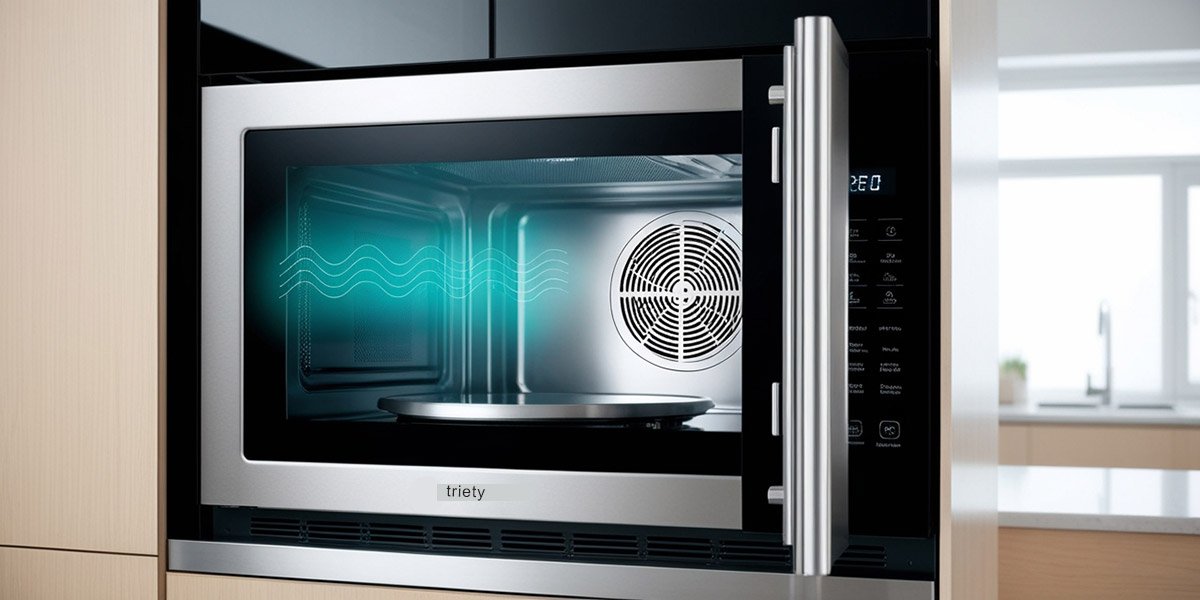
— That’s how you get juicy centers and crispy edges in less time — the best of both worlds.
What You Can Cook in Hybrid Microwave Oven
Get ready to explore endless possibilities. Whether it’s a quick snack or a weekend feast, this compact oven can handle it all.
- Bake like a pro — soft muffins, golden cookies, or fluffy cakes that rise beautifully.
- Roast to perfection — juicy chicken, tender fish, or caramelized vegetables.
- Grill with ease — smoky sandwiches, paneer tikka, or kebabs with a perfect char.
- Reheat smartly — leftovers stay fresh and crisp, never soggy.
- Cook comfort meals — cheesy pasta bakes, bubbling casseroles, or lasagna layers.
— Who doesn’t love the aroma of freshly baked treats filling the kitchen?
Convection vs. Regular Microwaves
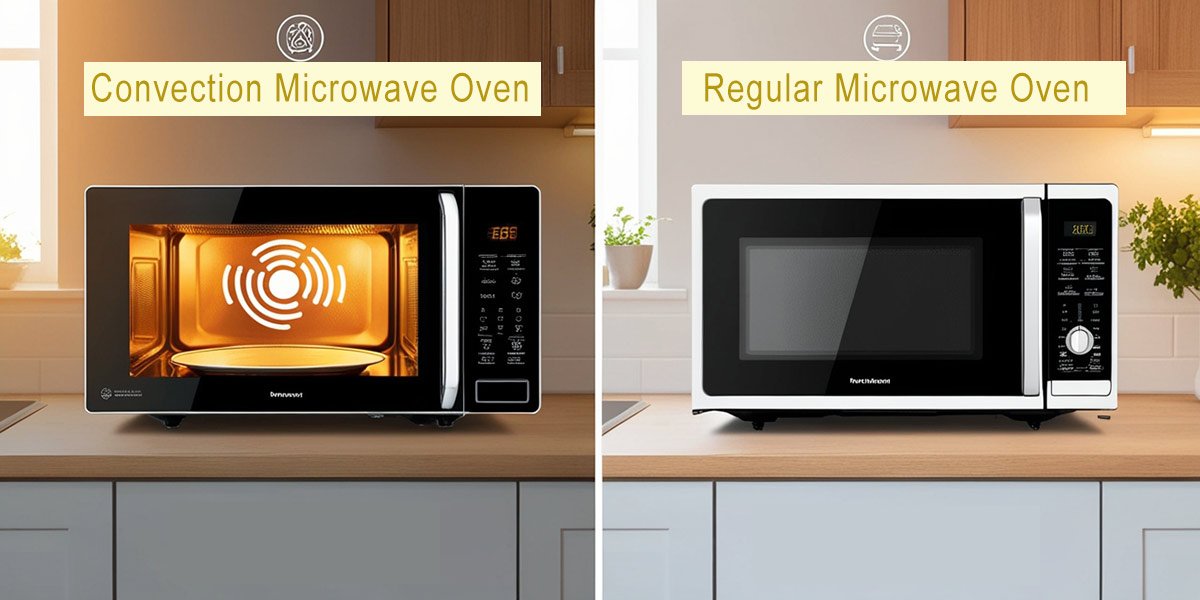
Here’s how they compare side by side:
| Feature | Standard Microwave | Convection Microwave |
| Main Function | Heats and defrosts food | Bakes, grills, and roasts |
| Heat Source | Microwave radiation | Hot air + microwave energy |
| Cooking Time | Very fast | Slightly longer but crisper |
| Food Texture | Soft or moist | Evenly browned and crisp |
| Best For | Reheating | Baking and roasting |
— In short, a convection model offers more flexibility, better texture, and a professional touch to home cooking.
Step-by-Step Guide: How to Use It
Follow these steps to get perfect results every time.
1. Choose the Right Mode
Select a mode based on what you’re cooking:
- Microwave for reheating or defrosting.
- Convection for baking or roasting.
- Combination for faster, crisp results.
2. Preheat the Oven
Preheating (5–10 minutes) ensures even cooking and perfect crusts. Think of it as warming up your oven before the main act.
3. Adjust Temperature and Time
- Reduce recipe temperature by about 25°F (≈15°C).
- Cooking time is usually 20–30% faster.
- In combo mode, use 50–70% microwave power.
4. Use Safe Cookware
- Use glass, ceramic, or silicone in microwave mode.
- Metal trays are fine for convection or grilling.
- Avoid plastic during high-heat modes.
5. Position Food Properly
Keep dishes in the center and allow air circulation. Avoid overcrowding for even browning.y
6. Monitor and Rest
Watch through the glass — opening the door often releases heat. Let food rest for 1–2 minutes before serving for the best flavor.
— Once you master these basics, every meal feels effortless and delicious.
Top Tips
Try these simple habits to get the most out of your oven:
- Always preheat before baking or roasting.
- Rotate dishes halfway through for even results.
- Clean spills right after use.
- Follow recipes for time and temperature accuracy.
- Use the right cookware for each mode.
— Soon, you’ll wonder how you ever cooked without it!
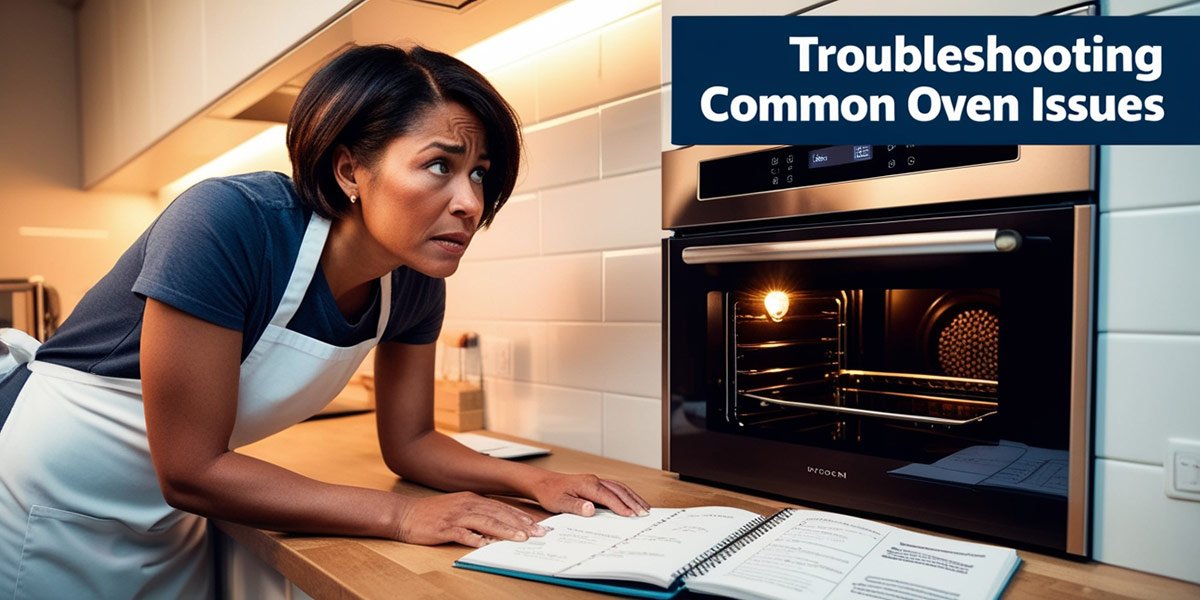
Troubleshooting Common Issues
Even the most reliable ovens need a little care sometimes. Here’s how to handle common problems quickly.
1. Food Isn’t Heating Evenly
- Keep the dish centered.
- Avoid oversized trays.
- Stir or rotate midway.
2. Sparks Inside the Oven
- Never use metal in microwave mode.
- Remove chipped or metallic plates.
- Clean grease spots that can cause arcing.
3. Oven Turns Off Midway
- Check the plug and power source.
- Avoid overloading sockets.
- Let it cool if it’s overheated.
4. Strange Odors or Smoke
- Check for burnt food residues.
- Clean the cavity with mild soap.
- Don’t use plastic in convection mode.
— If problems persist, consult your manual or a technician — most issues are simple to fix.
FAQs
Here are answers to some common questions.
Yes, this appliance lets you:
- Bake cakes, cookies, and pizzas.
- Grill meat or veggies using the rack.
- Combine both modes for crisp results.
It depends on the mode:
- Avoid metal in microwave-only mode.
- Safe for convection and grill use.
- Always confirm with your model manual.
Use safe, heat-resistant materials:
- Glass, ceramic, or silicone is ideal.
- Avoid thin plastic under high heat.
- Look for a “microwave-safe” label.
Keep performance high with regular cleaning:
- Wipe after each use.
- Deep clean weekly to remove grease.
- Use mild soap, not strong chemicals.
A few factors can affect results:
- Food placement affects airflow.
- Overcrowding slows heat circulation.
- Clean vents help maintain consistency.
Wrapping It Up: Why a Microwave Convection Oven Is Worth It
A microwave convection oven gives you the best of both worlds — fast cooking and perfect browning in one compact appliance. It saves time, energy, and kitchen space while letting you bake, roast, and reheat with ease. If you love healthy, evenly cooked meals without extra effort, this smart oven is a must-have for every modern home kitchen. Ready to make cooking faster and smarter? Try one and taste the difference.
— Stay tuned for our next guide: “Why you must have a Smart Water Purifier in your Home”






- Be Respectful
- Stay Relevant
- Stay Positive
- True Feedback
- Encourage Discussion
- Avoid Spamming
- No Fake News
- Don't Copy-Paste
- No Personal Attacks
- Be Respectful
- Stay Relevant
- Stay Positive
- True Feedback
- Encourage Discussion
- Avoid Spamming
- No Fake News
- Don't Copy-Paste
- No Personal Attacks
