How Smart Water Purifiers Work: Discover the Technology Protecting Your Health Every Day
Published: 5 Nov 2025
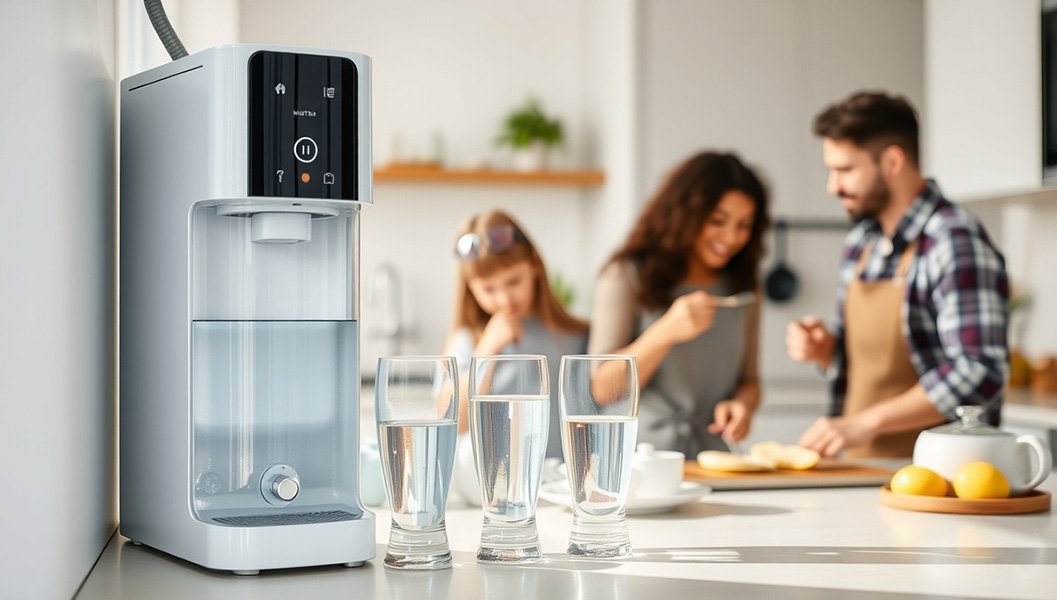
Imagine filling a glass straight from your tap—clear, cool, and trusted. But behind that moment lies a smart system quietly checking, filtering, and protecting every drop. That’s the magic of modern purification technology. Learning how smart water purifiers work helps you see how sensors, filters, and real-time monitoring come together to safeguard your family’s health. It’s not just clean water—it’s smart, safe water you can rely on every single day.
Table of Contents
What Is a Smart Water Purifier?
Before diving into how smart water purifiers work, it’s important to understand what makes these devices truly “smart.” Imagine a purifier that doesn’t just clean water — it thinks, tracks, and adapts to your needs. That’s the power of modern smart purification. It goes beyond simple filtering to ensure every drop you drink is safe, healthy, and precisely balanced.
Meaning and Purpose
A smart water purifier is an advanced filtration device that combines technology and real-time data to deliver cleaner, safer water. It’s designed not only to remove visible dirt but also to detect hidden contaminants, such as chlorine, lead, and dissolved salts. These purifiers continuously analyze the quality of your water and automatically adjust their purification level.
They also provide usage analytics, self-diagnostic reports, and maintenance alerts — so you always know your water is safe without needing to check manually.
Core Features That Make It Smart
Smart water purifiers come loaded with intelligent systems that monitor, notify, and optimize performance. Let’s look at what makes them stand out:
- Real-time monitoring: Continuously tracks TDS (Total Dissolved Solids), pH level, and contamination levels for instant feedback.
- Auto alerts: Sends reminders through the purifier display or connected app when filters or UV lamps need replacement.
- App connectivity: Allows you to monitor water quality, purity percentage, and filter life right from your smartphone.
- Energy-efficient operation: Uses adaptive sensors to minimize electricity and water wastage during purification.
- Smart self-cleaning: Some models flush their filters automatically to prevent clogging and extend lifespan.
- Voice and Wi-Fi integration: Compatible with home assistants like Alexa or Google Home for quick water status updates.
How It Differs from Traditional Purifiers
Traditional water purifiers rely heavily on manual observation and often result in excess water wastage. They don’t alert you when filters expire or when contamination spikes. Smart purifiers, on the other hand, use digital sensors to measure and maintain ideal purity levels automatically. This not only improves water quality but also ensures long-term efficiency and cost savings.
In short, smart water purifiers don’t just clean — they learn your usage pattern, protect your health, and optimize performance for daily comfort.
How Smart Water Purifiers Work: Explained in 6 Steps
Ever wondered what happens inside a smart water purifier before that crystal-clear drop reaches your glass? The process involves multiple purification stages powered by sensors and intelligent controls. Here’s a closer look at how smart water purifiers work to keep your water safe and pure.
1. Water Quality Detection and Input Analysis
The journey begins as water enters the purifier. Smart sensors instantly scan the incoming supply for TDS (Total Dissolved Solids), hardness, chlorine, and microbial contamination. Based on these readings, the purifier automatically decides the required purification method — whether to engage RO, UV, or UF filters.
2. Multi-Layer Filtration Process
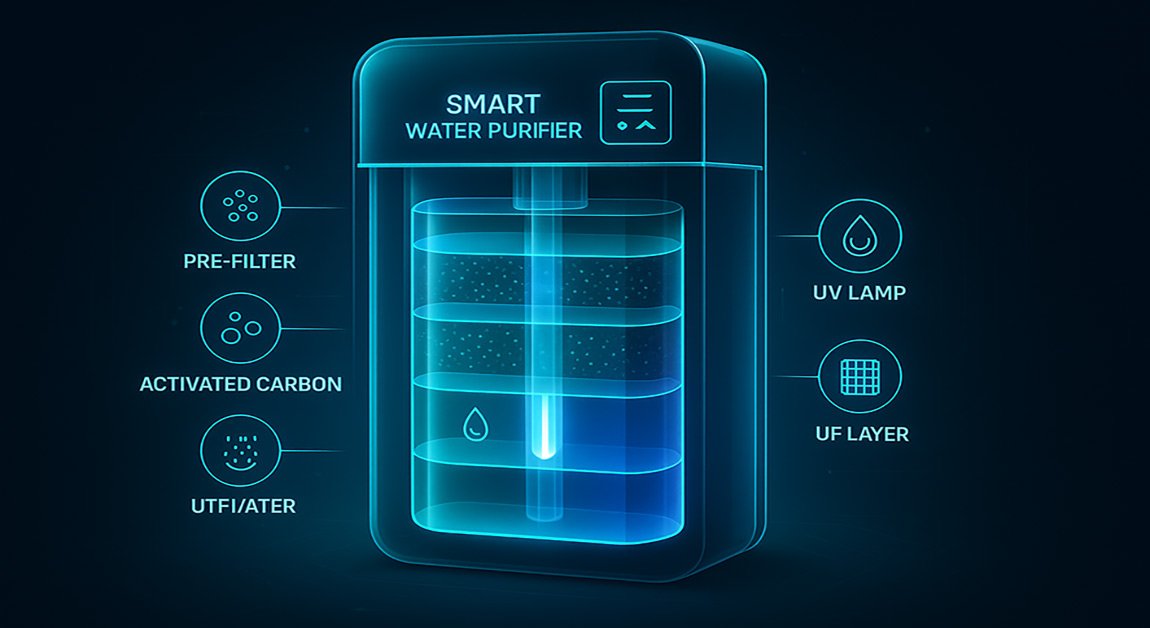
Before your water even reaches the glass, it passes through several carefully designed purification layers — each with a unique job. These layers remove impurities step by step to ensure your water tastes fresh and remains safe for your family.
Smart water purifiers shine through their intelligent layering. Each stage reacts automatically to real-time readings from advanced sensors, ensuring every drop is purified perfectly. Let’s see what happens inside.
- Pre-Filter – The First Guard:
This stage blocks visible dirt, sand, and rust particles that often come from pipelines or storage tanks. It acts like a fine sieve, ensuring heavier impurities don’t reach the inner filters. By protecting the core system, it also extends the purifier’s lifespan. - Activated Carbon Filter – The Odor and Taste Fixer:
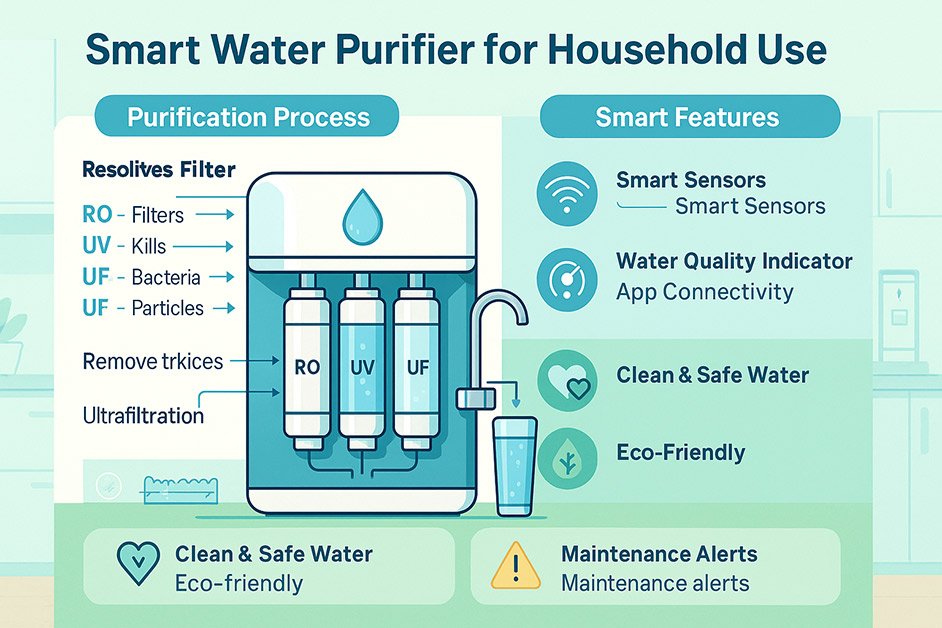
Made from coconut shells or charcoal, this filter absorbs chlorine, pesticides, and organic chemicals. These are the main culprits behind foul smell or odd taste in tap water. After this stage, the water already tastes cleaner and fresher. - RO (Reverse Osmosis) Membrane – The Deep Purifier:
Here’s where serious purification begins. Water is pushed through a semi-permeable membrane that removes dissolved salts, lead, mercury, fluoride, and other heavy metals. The RO layer ensures every drop is free from microscopic contaminants. However, smart purifiers balance this step to reduce excess water wastage — something old RO systems often struggled with. - UV (Ultraviolet) Lamp – The Germ Killer:
This stage exposes water to ultraviolet light, destroying bacteria, viruses, and pathogens that even RO can’t trap. The UV process ensures biological safety without adding any chemicals to the water. Many smart models include UV intensity sensors that verify lamp efficiency over time. - UF (Ultrafiltration) Layer – The Final Safety Net:
Acting as the finishing touch, UF filtration removes remaining suspended solids and micro-impurities. It’s especially useful in areas where water contains organic residue or sediments. This layer ensures the output is crystal clear, both in purity and appearance.
Together, these five layers form a comprehensive purification chain — a smart system that adapts automatically to water type, quality, and pressure. So whether your supply comes from municipal lines or borewells, the purifier delivers consistently pure water every single time.
3. Smart Monitoring and Control System
Now that the filtration process is underway, the real intelligence of a smart water purifier begins to shine. This stage is all about how smart water purifiers work behind the scenes — constantly monitoring, adjusting, and maintaining the perfect water quality for your home.
Inside every smart purifier, advanced micro-sensors and digital controllers track key parameters like TDS (Total Dissolved Solids), pH level, turbidity, and temperature. These sensors work like the purifier’s “nervous system,” detecting even minor changes in water composition.
If your tap water suddenly becomes harder or more contaminated, the system automatically increases RO pressure or activates an extra purification cycle. Similarly, if the water is already clean, it reduces filtration intensity — conserving electricity and water.
Modern smart purifiers also feature digital dashboards or mobile app integration, allowing you to:
- Check live purity levels: See TDS and pH readings in real time through a companion app or LED display.
- Monitor filter life: Get visual indicators or app notifications when your filter nears its end of life.
- Track daily water usage: Some models record how much purified water your family consumes per day or week.
- Receive smart alerts: If water quality dips suddenly, the system sends a mobile alert recommending action or maintenance.
For instance, imagine you’re at work, and the water supply at home changes due to city pipeline cleaning. Your purifier will detect the drop in quality and pause dispensing until water returns to safe levels — automatically protecting your family even when you’re away.
This smart monitoring system ensures pure water and removes guesswork — alerting you instantly when maintenance or action is needed.
4. Auto Maintenance and Filter Alerts
Once your smart purifier has ensured clean water, it doesn’t stop working quietly in the background. The next big feature that defines how smart water purifiers work is their ability to maintain themselves automatically and efficiently.
Traditional water purifiers often fail because users forget to replace filters or clean internal parts on time. Smart purifiers eliminate this problem entirely through auto-maintenance cycles and filter alerts. These systems use built-in sensors to track how long each filter has been used and how much water it has purified.
When it’s time for maintenance, your purifier will:
- Send a mobile alert or display a light indicator reminding you to replace a filter.
- Run self-cleaning cycles, flushing out residual impurities to prevent bacterial buildup.
- Optimize energy and water use, ensuring the system doesn’t waste resources during cleaning.
Some advanced models even automatically shut down when the filters are overdue for replacement. This smart safety feature prevents you from unknowingly drinking unfiltered or unsafe water.
For example, if your carbon filter has reached its limit, the purifier won’t just warn you — it will pause water output until the filter is changed, protecting your family’s health.
Smart water purifiers act like personal caretakers — always monitoring and maintaining themselves.
They ensure pure, safe water without constant attention.It’s clean water made smarter, simpler, and healthier.
5. Water Storage and Dispensing
After purification, the clean water is stored in a food-grade tank. The smart sensor ensures that storage never exceeds its limit and automatically stops the inflow when full. When you dispense water, the system rechecks purity to ensure consistent safety every time.
6. App Connectivity and Data Insights
The final stage that completes how smart water purifiers work is their ability to connect with your digital life. Today’s smart purifiers aren’t just appliances; they’re intelligent companions that keep you informed and in control — right from your smartphone.
Most modern models come with a dedicated mobile app that syncs with your purifier via Wi-Fi or Bluetooth. Once connected, you can track water quality, filter health, and usage patterns in real time — whether you’re at home or away.
Here’s what these apps typically allow you to do:
- Check water purity anytime: View real-time data on TDS levels, temperature, and pH balance directly on your phone.
- Get instant maintenance reminders: Receive push notifications when a filter needs cleaning or replacement.
- Control purification settings remotely: Start or pause purification even when you’re not near the device.
- Track daily consumption trends: See how much water your family drinks each day and identify ways to improve hydration.
- Access service support easily: Some apps directly connect you with brand service teams for quick filter replacements or repairs.
Imagine this: you’re traveling, and your purifier sends a notification saying the RO filter is nearing the end of its life. With one tap, you can schedule maintenance before returning home. That’s how seamlessly smart connectivity blends convenience with safety.
Some smart purifiers track water quality over time, helping you understand usage patterns and make healthier choices. By blending data and technology, they turn clean water into science made simple — reliable, effortless, and always within reach.
Top 7 Benefits of Using a Smart Water Purifier
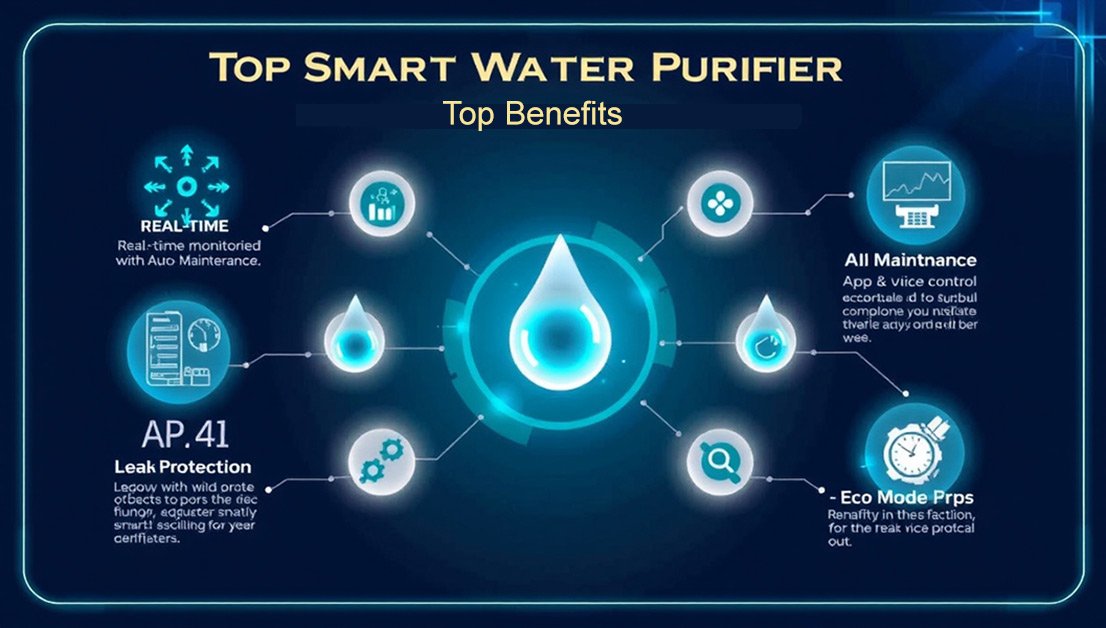
Understanding how smart water purifiers work also helps you appreciate why they’re becoming essential for modern homes. These purifiers aren’t just about clean water — they’re about convenience, safety, and long-term well-being for your entire family.
A smart purifier combines technology and health protection, quietly working in the background while giving you peace of mind. Let’s explore the key benefits that make them worth every drop of investment.
1. Continuous Water Quality Monitoring
Unlike regular purifiers, smart systems constantly track water purity in real time. You always know what you’re drinking — no more guessing about safety. When levels drop, the purifier alerts you instantly, ensuring every glass is fresh and pure.
2. Convenience and Time-Saving
You no longer need to manually check filters or remember maintenance dates. Automatic cleaning cycles and smart alerts handle everything for you, saving time and effort while guaranteeing top performance.
3. Health Protection at Its Core
Smart purifiers use multi-layer filtration (RO, UV, and UF) to remove bacteria, heavy metals, and chemicals that could harm your health. The system adapts to changing water quality, ensuring consistent safety for your loved ones every day.
4. Cost-Effective and Efficient
Though they seem high-tech, these purifiers reduce long-term costs. Automatic maintenance prevents damage, while energy-saving features and optimal filtration lower utility bills and water waste.
5. Eco-Friendly Operation
Smart systems are designed with sustainability in mind. Auto-shutoff functions prevent unnecessary water flow, and efficient filters last longer, reducing plastic waste and replacement frequency.
6. Integration with Smart Homes
Compatible with Alexa, Google Home, and mobile apps, these purifiers fit seamlessly into your connected home. You can check water quality or schedule maintenance with a simple voice command.
7. Peace of Mind for Families
Knowing your purifier is constantly protecting your family provides emotional relief. Whether you’re a parent, traveler, or busy professional, you can trust your purifier to handle what you can’t see — impurities, bacteria, and harmful residues.
6 Advanced Features That Set Smart Purifiers Apart
Now that you understand the filtration types, let’s explore what truly makes these devices “smart.” The intelligence behind how smart water purifiers work lies in the advanced features that automate, monitor, and simplify water purification.
These features turn an ordinary purifier into a home assistant that quietly protects your family’s health every day.
1. Real-Time Water Quality Tracking
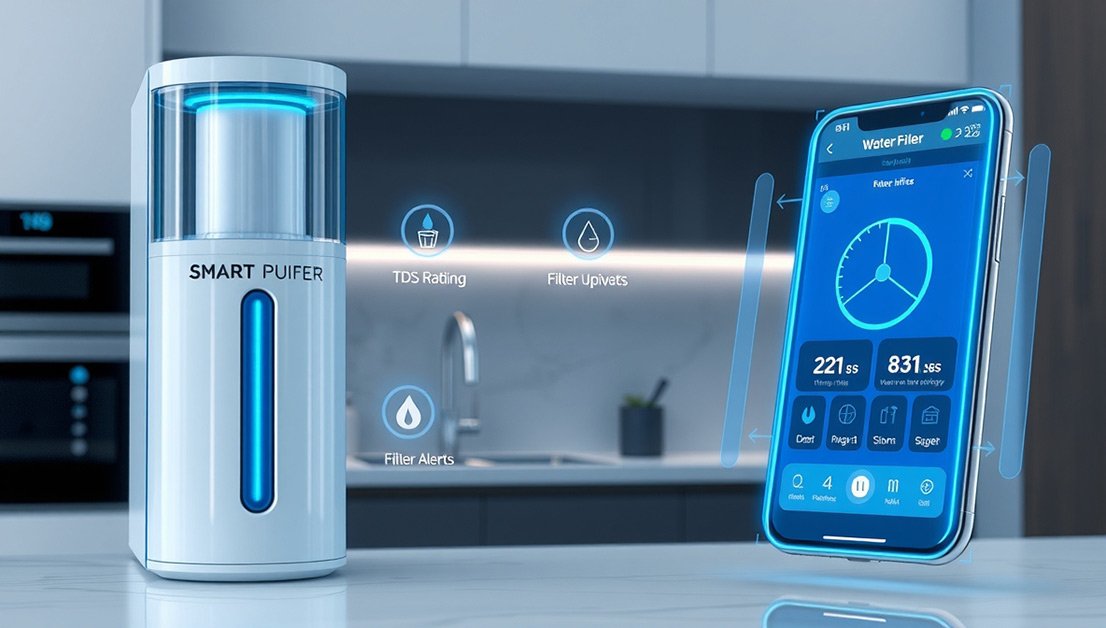
Smart sensors continuously measure TDS, pH, and temperature levels. The readings appear on a digital display or your mobile app, helping you stay informed about the purity of every glass you drink.
2. Auto-Cleaning and Filter Life Detection
Forget about manual filter checks. The purifier automatically rinses internal filters and notifies you when replacements are due. This keeps performance consistent and prevents harmful buildup inside the system.
3. AI-Based Water Usage Analytics
Modern models analyze your family’s daily water consumption and adjust output for efficiency. Some even predict when filters will need replacing based on real usage patterns — not just fixed dates.
4. Smart App and Voice Integration
You can start purification, check filter health, or schedule cleaning through an app or smart assistant like Alexa or Google Home. This makes monitoring effortless, even when you’re away from home.
5. Leak and Overflow Protection
Built-in safety sensors automatically shut off the system if a leak or overflow is detected, preventing water waste and household damage.
6. Eco-Mode Function
To support sustainability, many smart purifiers include an eco-mode that reduces energy and water consumption during low-demand hours — perfect for overnight use.
These intelligent features showcase exactly how smart water purifiers work to simplify modern living — balancing technology, health, and environmental care in one sleek unit.
Expert Tips for Getting the Most Out of Your Smart Water Purifier
So now you know how smart water purifiers work, the next step is using them wisely. These systems are designed for efficiency and safety — and a few smart habits can keep them performing their best.
Here’s how you can make your purifier last longer and work better:
- Follow filter replacement alerts:
Replace filters as soon as you get a reminder. Delaying can reduce filtration efficiency and allow impurities to slip through. - Clean the storage tank regularly:
Even purified water can leave residue or biofilm. Wipe and rinse the tank every month using mild vinegar or a safe cleaner. - Keep it away from heat and sunlight:
Direct exposure can damage internal parts and cause algae growth. Place your purifier in a cool, shaded spot in your kitchen. - Use only clean source water:
Connect your purifier to a clear, steady water line. Muddy or contaminated water can clog filters and strain the motor. - Schedule professional maintenance:
Every 6–8 months, get expert servicing. Technicians check sensors, pipelines, and UV lamps to keep everything running smoothly. - Monitor water quality via app (if supported):
Track TDS levels, filter life, and system health through your purifier’s app. Stay informed about the water your family drinks every day.
These simple habits ensure your purifier works efficiently, saves power, and keeps your drinking water pure and safe — just as it’s meant to.
FAQs about smart water purifiers
Most models use a mix of RO (Reverse Osmosis), UV (Ultraviolet), and UF (Ultrafiltration) systems. Together, they:
- Remove dissolved salts and heavy metals.
- Kill bacteria and viruses.
- Retain essential minerals for taste and health.
Not necessarily.
- Some models use Wi-Fi for app updates and alerts.
- Others work offline but still use internal sensors and display results locally.
Having Wi-Fi just adds convenience — it doesn’t affect purification quality.
Yes! Modern purifiers come with built-in sensors that constantly check pH, TDS, and filter performance. The data appears on a digital screen or your mobile app, keeping you informed about every glass you drink.
Smart purifiers use advanced sensors and digital control systems to monitor water quality in real time. They go beyond simple filtration by:
- Detecting TDS (Total Dissolved Solids) levels automatically.
- Adjusting purification intensity as needed.
- Sending maintenance or filter change alerts through an app.
Filter cleaning or replacement depends on usage and water quality. Usually:
- RO filters: every 6–12 months.
- UV lamps: every 12–18 months.
- Pre-filters: every 3–6 months.
Regular upkeep keeps your purifier efficient and extends its life.
Conclusion: Why Understanding How Smart Water Purifiers Work Truly Matters
Smart water purifiers are more than gadgets — they’re silent guardians of your health. With multi-stage filters and real-time tracking, they ensure every drop is pure. Choosing one means investing in safety and smarter living. The future of clean water is here — and it’s brilliantly smart.
👉 Want to learn how purified water supports better health and an eco-friendly lifestyle?
Explore more in our detailed guide on Smart Water Purifier for Household Use, and discover how clean technology protects your family and the planet.





- Be Respectful
- Stay Relevant
- Stay Positive
- True Feedback
- Encourage Discussion
- Avoid Spamming
- No Fake News
- Don't Copy-Paste
- No Personal Attacks
- Be Respectful
- Stay Relevant
- Stay Positive
- True Feedback
- Encourage Discussion
- Avoid Spamming
- No Fake News
- Don't Copy-Paste
- No Personal Attacks
