Food Processor Tutorial: Learn to Use It Like a Pro
Published: 3 Nov 2025
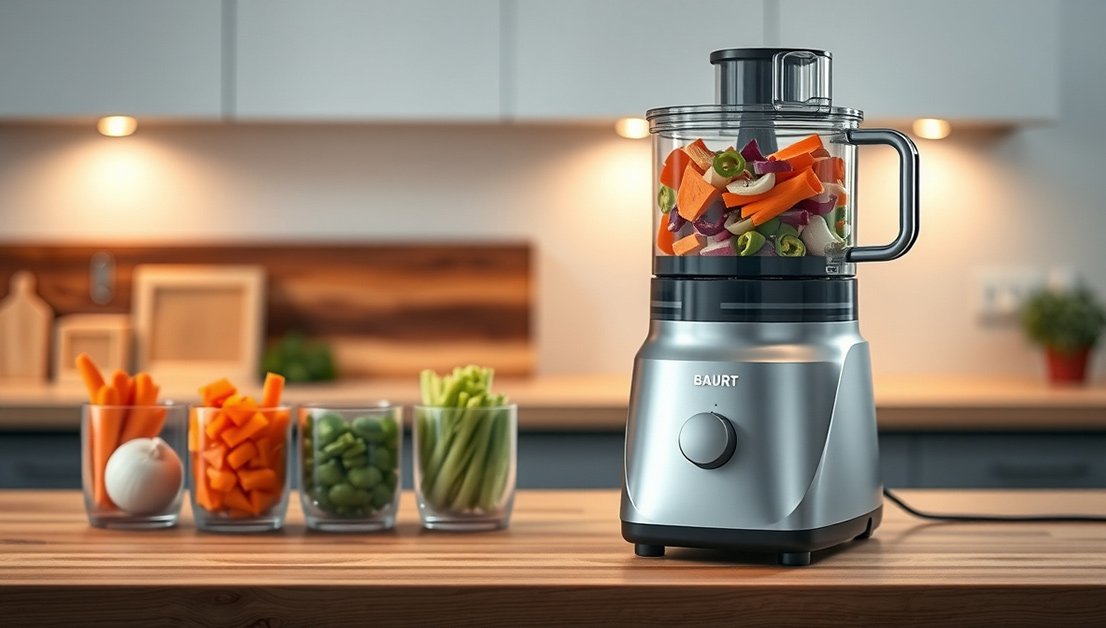
Ever spent half an hour chopping vegetables before dinner? With a food processor, that same job takes just minutes — no sore wrists, no mess. This food processor tutorial shows you how to make the most of this smart kitchen helper. Whether you’re slicing, dicing, or blending, you’ll soon see how effortless home cooking can be.
Table of Contents
What Is a Food Processor?
A food processor is a versatile kitchen appliance that handles everyday prep tasks like chopping, slicing, shredding, and blending. It’s built to save time and effort, helping you prepare ingredients evenly and quickly. Unlike a blender, it works well with both dry and wet foods — perfect for dough, sauces, or chopped veggies.
Key Components of a Food Processor
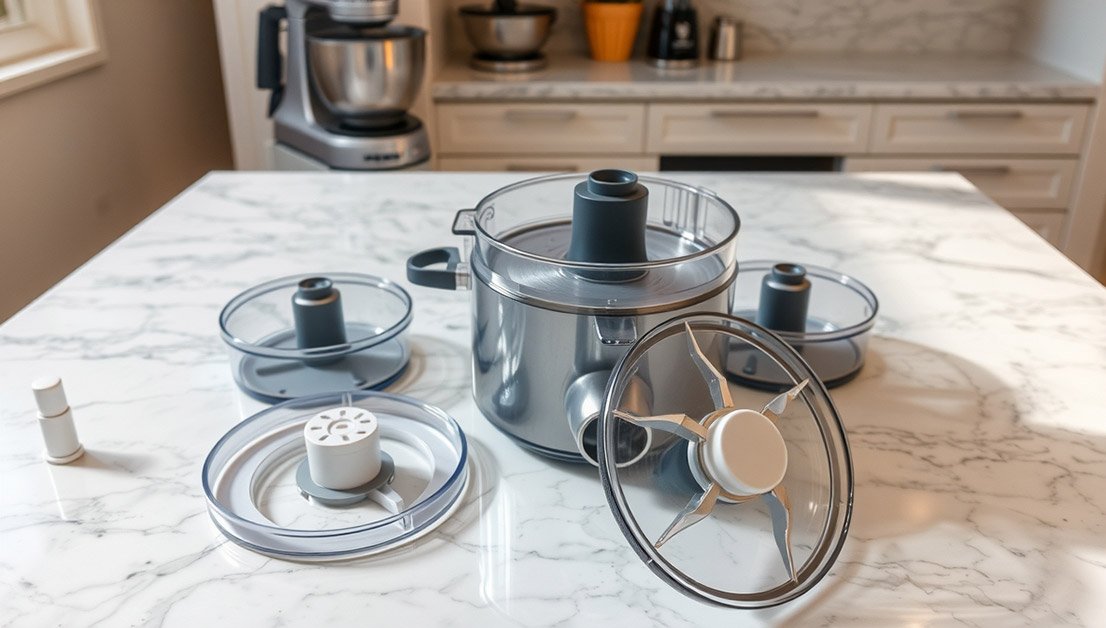
Most food processors come with these essential parts that work together for smooth and consistent results:
- Motor base: This is the powerhouse of your processor. It drives the blades and attachments, ensuring steady speed and enough torque to handle tough ingredients like nuts or dough.
- Bowl: The bowl holds your ingredients while processing. It’s usually made of clear plastic so you can monitor progress easily and comes in various sizes to suit single meals or large batches.
- Blades and discs: These sharp components do the real work — chopping, slicing, grating, and mixing. Many processors include interchangeable discs so you can switch functions without changing machines.
- Lid and feed tube: The lid keeps everything secure during operation, while the feed tube lets you add ingredients safely without stopping the machine. It’s especially handy for drizzling liquids or inserting veggies mid-process.
Together, these parts make your food processor a reliable kitchen helper — quick, precise, and built for versatility.
Step-by-Step Guide: How to Use a Food Processor Efficiently
Using a food processor may seem complex, but once you know the basics, it’s easy and fun. Follow these steps for safe, smooth, and efficient results every time.
Set Up the Processor
Place the motor base on a stable, flat surface before attaching parts.
- Insert the correct blade or disc securely onto the center shaft.
- Lock the bowl and lid properly — the machine won’t start otherwise.
Prepare Your Ingredients
- Cut large food items into smaller chunks for even processing.
- Avoid overfilling the bowl; half full is ideal for smooth performance.
- Keep ingredients dry when needed to prevent sticking or clumping.
Choose the Right Blade or Disc
- Use the S-blade for mixing, pureeing, or chopping ingredients.
- Switch to the slicing disc for veggies or the shredding disc for cheese.
- Always match the blade type to the recipe texture you want.
Add Ingredients and Secure the Lid
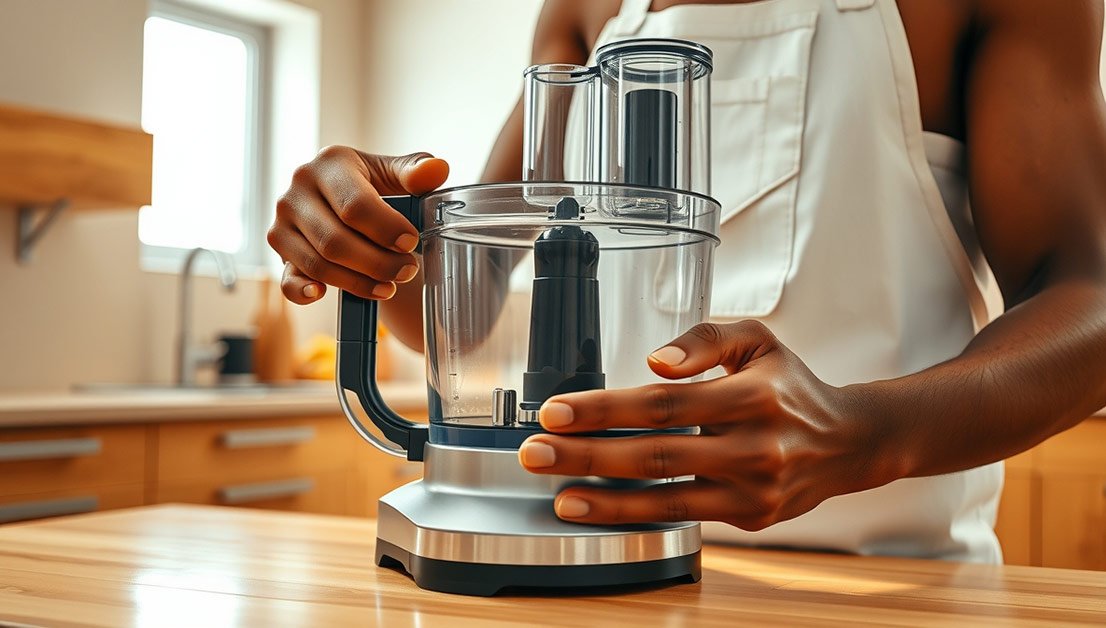
- Load the prepared ingredients evenly inside the bowl.
- Lock the lid tightly until you hear a click for safety.
- Make sure the chute and pusher are in place before starting.
Pulse or Run Continuously
- Use short pulses for coarse chopping or chunky textures.
- Run continuously for smooth blends or dough preparation.
- Watch closely to stop at the perfect consistency you need.
Stop, Check, and Adjust
- Pause the processor before removing the lid or scraping the sides.
- Use a spatula to mix evenly and prevent uneven chunks.
- Continue pulsing until you reach your desired smoothness.
Unplug and Clean Immediately
- Always unplug before removing blades or attachments.
- Wash parts with warm, soapy water right after use.
- Dry thoroughly to prevent rust, odors, or dull blades.
Different Types of Food Processors
Not all food processors are the same. Each type is designed to suit different kitchen needs, from quick snacks to full-course meals. Knowing which kind fits your lifestyle helps you get the best results without overspending on features you’ll never use.
1. Mini Food Processors
Compact and lightweight, these are perfect for small batches — like chopping herbs, nuts, or garlic. They’re easy to store and ideal for solo cooks or quick prep tasks.
2. Full-Size Food Processors
A kitchen workhorse for families or frequent cooks. These models can handle larger portions, knead dough, slice vegetables, and even mix batters with consistent results.
3. Handheld or Stick Food Processors
These combine portability with flexibility. While less powerful than countertop models, they’re great for blending soups, sauces, or smoothies right in the pot.
4. Commercial Food Processors
Designed for heavy-duty use, they offer bigger bowls, stronger motors, and continuous feed systems. Ideal for catering or batch cooking, though not necessary for everyday home kitchens.
Each type has its own strengths — the key is matching it to your cooking style and the quantity you usually prepare.
5 Benefits of Using a Food Processor
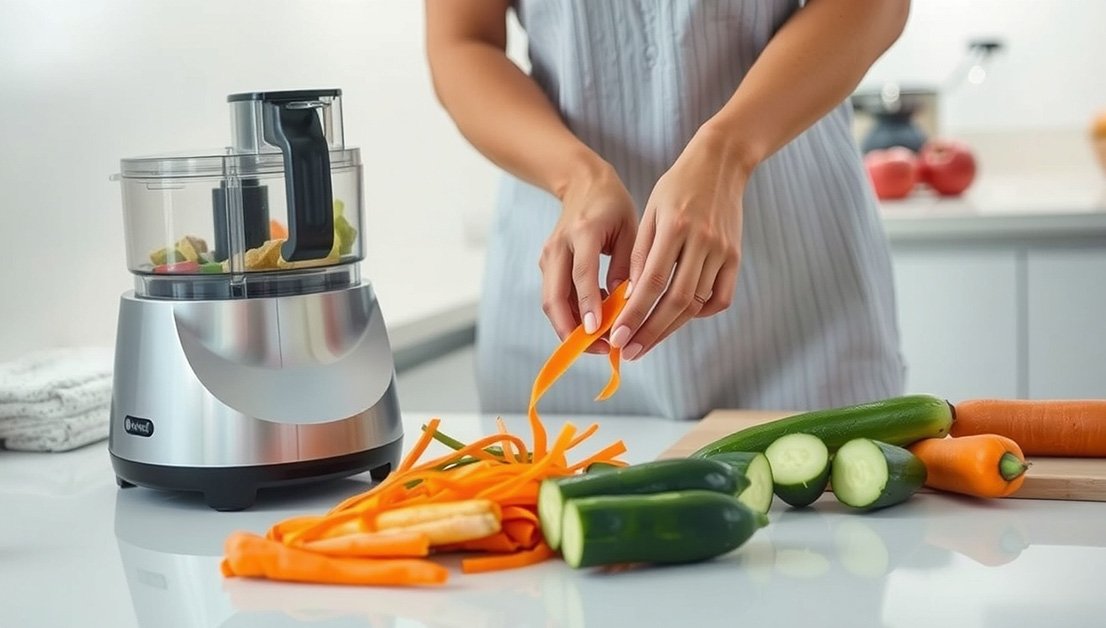
A food processor isn’t just a convenience — it’s a real kitchen game-changer. Whether you cook daily or only on weekends, its benefits go far beyond chopping vegetables faster.
1. Saves Time and Effort
Manual prep can take ages, but a food processor cuts that time down to minutes. It handles tough ingredients like carrots or nuts with ease, freeing you to focus on cooking instead of cutting.
2. Ensures Consistent Results
Uniform chopping and slicing mean your dishes cook evenly and look more professional. It’s especially useful for recipes like salads, stir-fries, or pastries that rely on precise texture.
3. Reduces Kitchen Mess
With one bowl doing all the mixing and chopping, there’s less cleanup afterward. You spend more time enjoying your meal and less time scrubbing and cutting boards.
4. Encourages Healthy Cooking
When prepping becomes simple, you’re more likely to make fresh meals at home. From hummus and salsa to nut butter, a processor helps you skip processed foods and make wholesome alternatives.
5. Versatile for Many Tasks
One appliance, many uses — from kneading dough to making pesto or purees. Its versatility makes it a must-have for anyone who enjoys experimenting with recipes.
Core Functions of a Food Processor
Beyond speed and convenience, a food processor performs several core kitchen tasks that make meal prep effortless. These built-in functions help you handle multiple cooking steps using just one appliance.
1. Chopping and Mincing
With sharp, rotating blades, it quickly chops vegetables, herbs, nuts, or even meat to your desired size. It’s precise and consistent — no uneven cuts or finger fatigue.
2. Slicing and Shredding
Interchangeable discs let you slice or shred ingredients evenly. Perfect for cheese, carrots, cabbage, or potatoes when you’re prepping salads, soups, or casseroles.
3. Mixing and Kneading
A strong motor and dough blade make it ideal for mixing batters or kneading bread dough. It saves time and ensures a smooth, elastic texture every time.
4. Pureeing and Blending
Want creamy soups, dips, or baby food? The processor can puree ingredients into a silky texture without needing a separate blender.
5. Grinding and Grating
From grinding nuts to grating chocolate or hard cheese, this feature adds a professional touch to desserts and sauces alike.
These functions make the food processor an all-around multitasker — replacing several single-use kitchen tools with one efficient machine.
Tips for Getting the Best Texture
Getting perfect texture from your food processor is all about timing and technique. A few small adjustments can make your food come out evenly chopped or beautifully smooth every time.
Use the Pulse Button Wisely
Instead of running the processor continuously, use quick pulses. This gives you better control over texture, especially for vegetables and nuts.
Don’t Overfill the Bowl
Processing too much food at once can lead to uneven results. Work in small batches to keep everything evenly chopped or blended.
Chill Soft Ingredients First
Soft foods like cheese or cooked vegetables can get mushy. Cooling them slightly before processing helps them hold their shape better.
Scrape the Sides Often
Stop occasionally to scrape down the bowl. It ensures that every piece is evenly mixed and no chunks are left behind.
Match the Blade to the Task
Use the correct attachment — S-blade for chopping and mixing, slicing disc for uniform cuts, or shredding disc for grating. The right tool always gives a better texture.
When you follow these small but smart tricks, your food processor tutorial results will feel more like chef-level precision than random chopping.
Risks of Processing Hot Liquids or Ingredients
Processing hot liquids or ingredients in a food processor can be dangerous and may harm both you and your appliance. Here are the main risks to watch out for:
- Pressure buildup: Steam from hot food creates pressure inside the bowl, which can pop the lid off and cause burns or messy spills.
- Bowl damage: Sudden heat can weaken or crack the plastic bowl over time, reducing its lifespan and safety.
- Motor strain: Hot foods can heat the motor quickly, leading to overheating or early wear.
- Texture loss: Extreme heat can alter the texture and flavor of purees or sauces, making them too thin or overcooked.
- Limited capacity: You can’t safely fill the bowl more than halfway when blending warm foods, as expansion causes overflow.
Tip: Always let cooked food cool for 10–15 minutes before processing, or use a blender designed for hot liquids.
Who It’s Best Suited For
A food processor is one of those kitchen tools that fits nearly every cooking style, but it’s especially useful for certain types of users.
- Busy home cooks: Perfect for anyone who wants to prepare meals faster and cut down on prep time during busy weekdays.
- Beginners and learners: Great for those new to cooking who want consistent results without mastering knife skills.
- Health-conscious eaters: Ideal for making fresh salads, nut butter, or smoothie bases at home instead of buying processed options.
- Bakers and entertainers: Handles dough mixing, dessert prep, and dips with ease — perfect for gatherings or regular baking sessions.
- Small families or solo cooks: Compact models save space while still offering plenty of versatility for daily cooking needs.
If you value convenience, versatility, and consistency in your meals, a food processor is definitely worth adding to your kitchen routine.
7 Expert Tips to Master Your Food Processor
Every Food Processor Tutorial deserves a set of insider tricks that make food prep faster, safer, and smoother. These simple but powerful tips help you get consistent results and extend your appliance’s life.
| 1. Chill Before Chopping |
|---|
|
Cold ingredients like butter, cheese, or meat shred more neatly and evenly. Pop them in the fridge for 10–15 minutes before using your processor. This simple step prevents smearing and keeps the blades running smoothly. |
| 2. Don’t Overfill the Bowl |
|---|
|
Overcrowding the bowl leads to uneven chopping and poor texture. Work in smaller batches instead of stuffing it full. You’ll notice cleaner cuts and better consistency across every ingredient. |
| 3. Use the Pulse Button Wisely |
|---|
|
For herbs, nuts, or vegetables, pulsing gives you full control over texture. Long, continuous runs can make mixtures too soft or pasty. Short pulses keep ingredients crisp and perfectly chopped. |
| 4. Layer Soft to Hard Ingredients |
|---|
|
Add soft foods like tomatoes or onions before harder ones such as carrots or nuts. This helps the blades move freely and ensures everything blends evenly. It also reduces unnecessary strain on the motor. |
| 5. Keep Blades Sharp and Clean |
|---|
|
A dull blade slows performance and affects the final texture. Wash and dry blades right after each use to prevent rust. Replace or sharpen them regularly to keep your processor working efficiently. |
| 6. Use Correct Attachments for Each Task |
|---|
|
Food processors come with multiple discs and blades for a reason. Use slicing blades for veggies, dough blades for kneading, and shredders for cheese. The right tool gives faster results and a professional finish. |
| 7. Let the Motor Rest Between Batches |
|---|
|
Give your food processor a few minutes to cool down between long sessions. This prevents overheating and helps extend its lifespan. Think of it as giving your kitchen helper a quick breather before the next task. |
5 Fun Recipes to Try with a Food Processor
Learning from a Food Processor Tutorial is great — but using it to make tasty bites is even better! Try these quick, creative recipes that turn basic ingredients into delicious treats in minutes.
1. Creamy Hummus Dip
Blend chickpeas, tahini, lemon juice, and garlic for a smooth, café-style dip. The processor creates a perfectly creamy texture in seconds. Serve with pita chips or veggie sticks for a healthy snack.
2. No-Bake Energy Balls
Toss oats, peanut butter, honey, and nuts into the bowl and pulse. Roll into small balls and chill for 15 minutes. It’s your grab-and-go energy fix without any cooking.
3. Fresh Salsa in Seconds
Add tomatoes, onions, cilantro, and lime juice — a few pulses, and you’ve got restaurant-style salsa. Adjust the texture easily, from chunky to smooth, with your processor’s pulse control.
4. Quick Pizza Dough
Let the processor knead flour, yeast, olive oil, and water into a soft dough. It saves you from messy countertops and tired hands. Top with sauce and cheese for a homemade pizza night.
5. Frozen Banana Ice Cream
Process frozen banana slices until creamy and smooth. Add cocoa or berries for extra flavor. It’s a guilt-free dessert made with one button — simple and satisfying.
Cleaning & Maintenance for Long-Lasting Performance
Keeping your food processor clean after each use not only ensures hygiene but also extends its life. A few mindful habits can save you from dull blades, cloudy bowls, or sticky buttons.
Clean Right After Use
Wash removable parts like the bowl, blades, and lid immediately to prevent food from drying and sticking. Warm, soapy water works best. Avoid soaking the motor base—it’s electric!
Handle Blades Carefully
Blades are sharp, so wash them separately using a soft brush or sponge. Dry thoroughly before storing to prevent rust or dull edges.
Wipe the Base
Use a damp cloth to clean the motor base. For stubborn stains, apply a small amount of baking soda paste, but never immerse it in water.
Avoid Dishwasher Damage
Although many parts are labeled “dishwasher-safe,” repeated heat exposure can weaken plastic over time. Hand washing helps keep parts clearer and longer-lasting.
Store Properly
Keep your processor covered or in a cabinet to avoid dust buildup. Always store blades inside a safe container or wrapped in cloth.
With a little care, your food processor can run efficiently for years—quietly supporting your daily cooking adventures.
Troubleshooting Common Issues
Even reliable food processors can run into small hiccups. The good news? Most problems are simple to fix at home once you know what to look for. Here’s how to solve the most common issues:
Processor Won’t Start
Ensure the bowl and lid are locked securely — most processors won’t run unless everything clicks into place. Check the power cord and outlet too. If it still won’t start, unplug the machine for a few minutes, reset it, and try again.
Uneven Chopping or Mixing
Uneven results usually mean the bowl is overfilled or the food is too soft. Cut ingredients into even chunks and use short pulses. If the blade feels dull, sharpen or replace it to get smoother, more consistent textures.
Food Leaking from the Bowl
Leaks often happen when you overfill the bowl or have a damaged gasket. Always stay below the “max fill” line and check the rubber seal for cracks or food buildup. Replace the gasket every few years to maintain a tight seal.
Motor Overheating
Running the processor too long can overheat the motor. Stop immediately and let it cool for 15–20 minutes. Avoid heavy doughs or frozen items in long sessions. Some models have auto-shutoff features — wait for them to reset before restarting.
Strange Noise or Vibration
A rattling or grinding sound means something’s misaligned. Unplug the unit and check if the blade or disc is seated properly. Never use the processor if any part feels loose or damaged — this can strain the motor.
Lid Stuck After Use
Suction or steam can make the lid hard to remove. Press the pulse button once to release pressure, then twist gently. If it’s still stuck, run warm water over the edges to loosen any residue and try again.
FAQs About Food Processors
A food processor can chop, slice, shred, mix, and knead dough in minutes. You can prepare dips, sauces, nut butter, and even desserts easily. It’s perfect for quick, everyday cooking. Whether you’re a beginner or a pro, it saves time and effort in the kitchen.
Avoid processing steaming-hot food. Heat can build pressure, causing the lid to pop or damage the motor. Always let food cool for a few minutes first. This keeps both your ingredients and your machine safe to use.
A blender is better for liquids like smoothies, soups, or milkshakes. A food processor handles solid or thick ingredients like dough, nuts, or veggies. Both are great tools, but each shines in its own way depending on your recipe.
Clean it after every use to prevent odor and food buildup. Rinse blades and bowls right away before bits dry out. Wipe the motor base with a damp cloth. Regular cleaning keeps your machine running smoothly for years.
Yes! It’s one of the easiest kitchen gadgets to learn. This Food Processor Tutorial helps you master basic functions quickly. Once you try it, you’ll love how effortlessly it chops, mixes, and kneads your everyday recipes.
Conclusion: Simplify Cooking with a Food Processor
This Food Processor Tutorial proves how easy it is to cook smarter and faster. From chopping veggies to kneading dough, it takes the hard work out of your prep.
If you’re new to it, start simple and clean it after each use to keep it running smoothly. For folks who love a tidy, efficient kitchen, check out our Eco Friendly Gadgets next — it’s the perfect follow-up for a cleaner cooking space.






- Be Respectful
- Stay Relevant
- Stay Positive
- True Feedback
- Encourage Discussion
- Avoid Spamming
- No Fake News
- Don't Copy-Paste
- No Personal Attacks
- Be Respectful
- Stay Relevant
- Stay Positive
- True Feedback
- Encourage Discussion
- Avoid Spamming
- No Fake News
- Don't Copy-Paste
- No Personal Attacks
