Say Goodbye to Mess — Use the Hands-Free Motion Sensor Bin for a Cleaner Hme
Published: 14 Oct 2025
Keeping your home clean shouldn’t feel like a chore. Picture walking into the kitchen and tossing waste without touching a lid — no sticky handles, no lingering smells, just effortless cleanup.
This hands-free motion sensor bin brings comfort, hygiene, and modern style to daily life. Let’s start and see exactly how it changes simple chores into pleasant routines.
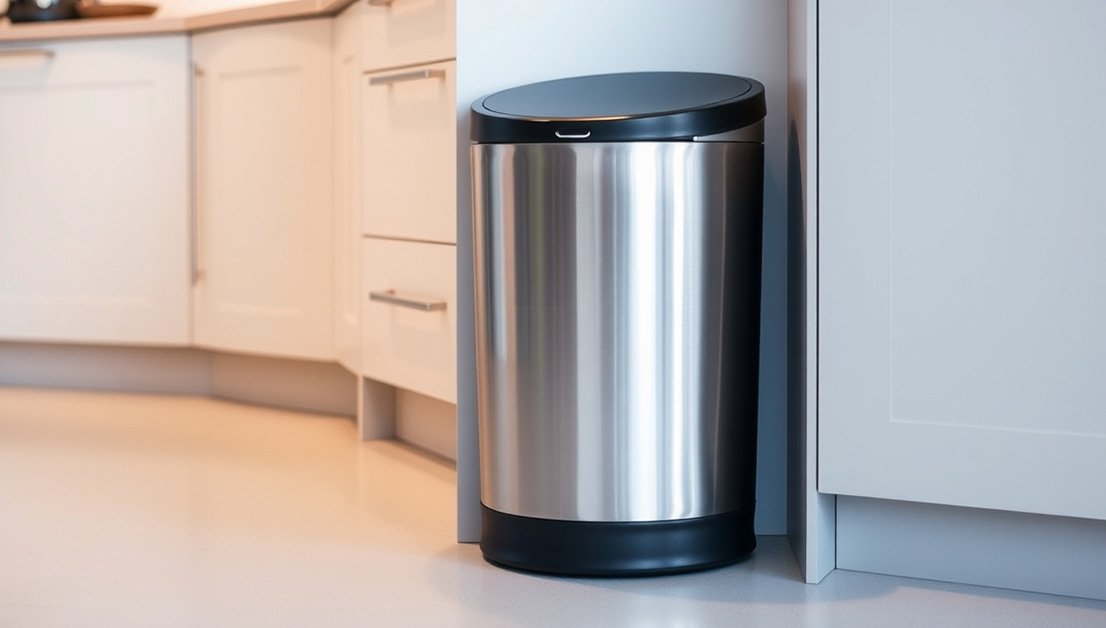
Table of Contents
Why Switch to a Motion Sensor Bin
A short, contactless upgrade can cut germs and small annoyances — this section explains the main reasons people are switching.
Hands-Free Hygiene
The core benefit is simple: no touching the lid. This reduces transfer points for germs and keeps hands cleaner after food prep or handling waste. For households cooking every day, that single change removes one more surface to disinfect.
Smart Design for Everyday Use
Modern bins also include features like soft-close lids and odor seals. These small improvements keep kitchens smelling fresh and reduce the need for constant cleaning — especially useful if you cook frequently or host guests.
Conventional Bin vs. Motion-Sensor Bin: Quick Comparison
Now that you know why it’s worth switching, let’s explore how these modern bins differ from regular ones. The difference in hygiene, design, and ease of use is clear once you see them side by side.
| Feature | Regular Bin | Motion-Sensor Bin |
| Hygiene Level | Needs hand contact to open, increasing germ spread | Touch-free opening reduces bacteria transfer |
| Ease of Use | Manual lid or pedal operation | Automatically opens with a wave of your hand |
| Odor Control | Limited — odors escape easily | Sealed lid design locks unpleasant smells |
| Maintenance | Frequent cleaning needed | Smart alerts for timely cleaning |
| Durability | May wear out faster due to frequent handling | Longer lifespan with sensor-based operation |
| Energy Use | None | Runs on small batteries or rechargeable power |
| Design Appeal | Basic look, mostly plain or printed | Sleek, modern, fits with smart kitchen aesthetics |
| Convenience | Inconvenient to open and close lids | Hands-free operation adds ease and comfort |
Key Features and Technology
Here’s what to check when choosing a touchless bin — sensors, power, and odor control matter most.
Infrared Motion Sensors
Most units use infrared sensors that detect movement within a short radius (usually 6–10 inches). Proper placement avoids false triggers from pets, and many models allow sensitivity adjustment so the sensor works well in a busy kitchen.
Automatic Lid Operation
The lid opens and closes smoothly after a short delay, trapping odors and preventing flies. Some premium models let you adjust the closing time, which helps during times when you need the lid open a bit longer.
Power Options: Batteries and USB Charging
You’ll find battery-powered models and USB-rechargeable units. Rechargeable bins reduce long-term waste; battery models are flexible for locations without easy charging access. Expect moderate families to recharge every few weeks on rechargeable units, or replace batteries every 1–4 months, depending on use.
Benefits of Using a Motion Sensor Bin
Beyond convenience, these bins deliver real advantages for health, comfort, and home organization.
| Improved Hygiene and Reduced Cross-Contamination |
|---|
|
Avoiding contact with a dirty lid significantly reduces cross-contamination risk — a real plus when handling raw meat or messy prep. Small behavior changes like this cut down touch-points in the kitchen. |
| Time-Saving and Effort Reduction |
|---|
|
Automatic lids shave seconds off routine tasks. Those saved seconds add up across everyday cooking, reducing friction and making cleanup feel effortless rather than a chore. |
| Aesthetic and Functional Upgrade |
|---|
|
Many bins use stainless steel or matte finishes that fit modern kitchens. They serve as both a functional appliance and a design piece that blends with counters and cabinetry |
Environmental and Household Advantages
These units also help households become slightly more eco-conscious and efficient in waste handling.
Less Liner Waste (Approximate)
With fitted liners and better waste compacting, many families find they use fewer plastic liners — roughly an estimated 10–20% fewer bags per month for a typical household (approximate, depends on habits). Choosing compostable liners for food waste adds another eco benefit.
Energy Use and Longevity
Despite automation, the energy draw is small. Rechargeable models and low-power designs keep running costs low, and durable builds mean fewer replacements over time.
Cleaner Spaces, Fewer Pests
Sealed lids and fast closures reduce odors and discourage flies and pests, improving overall kitchen hygiene and comfort.
How It Improves Daily Living
Small conveniences add up to a noticeably better daily routine. This shows how:
Better Cooking Flow
When you’re prepping, you won’t interrupt the process to touch a dirty lid. That keeps your workflow smooth and reduces the number of times you have to wash your hands during a single session.
Less Cleaning After Meals
With fewer sticky handles and trapped odors, you’ll spend less time deep-cleaning the bin area. That adds up to more free time and less frequent scrubbing.
Family-Friendly Habits
Kids and older adults find touchless bins easier to use. Because they’re simple and hygienic, everyone in the household is more likely to keep the kitchen tidy without reminders.
Cleaning & Maintenance Guide
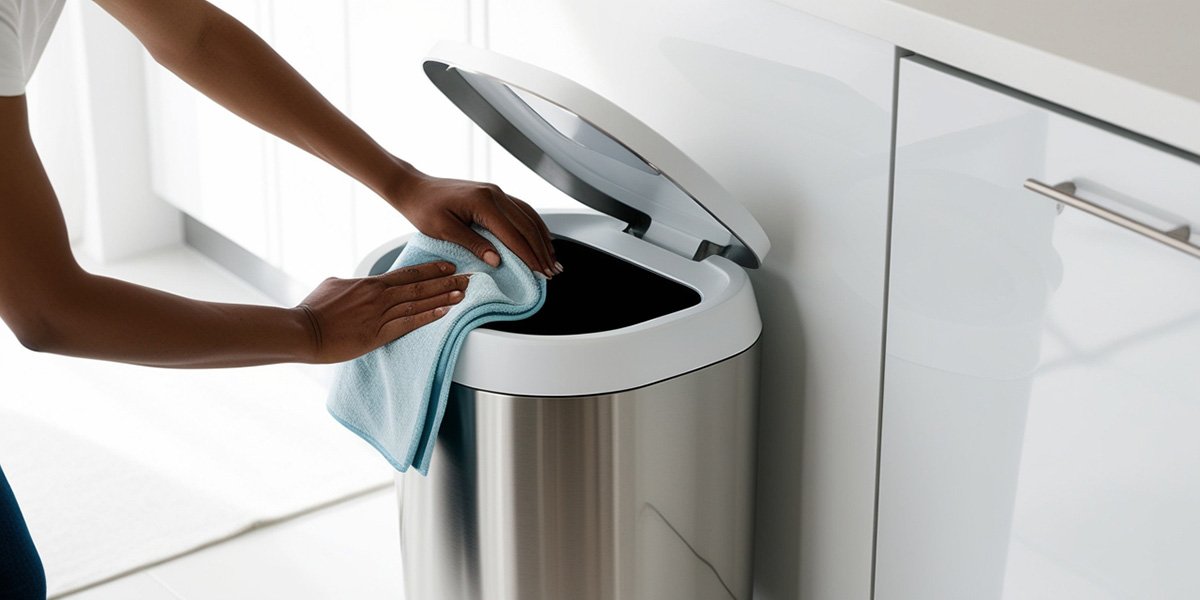
A quick weekly routine keeps the unit working well for years.
| Task | Frequency | Steps | Benefits |
| Wipe Sensor Lens | Weekly | Use a soft, dry cloth or slightly damp cloth to remove dust and smudges. Avoid harsh chemicals. | Ensures accurate motion detection and prevents false triggers |
| Clean Bin Interior | Weekly | Remove liner, wash inside with mild soap and warm water, rinse, and dry. | Prevents odor buildup and bacterial growth. |
| Clean Exterior | Weekly | Wipe outer surface with damp cloth and mild cleaner. Dry thoroughly. | Keeps the bin looking clean and modern. |
| Replace Liner | As Needed | Remove full liner and replace with correct-sized bag. | Prevents leaks, spills, and reduces odor. |
| Check Batteries / Charge | Every 1–4 months (depending on use) | Replace disposable batteries or recharge USB models. | Maintains lid responsiveness and prevents sensor malfunction. |
| Deep Clean / Disinfect | Monthly | Use a mild disinfectant or vinegar solution inside the bin. Avoid spraying on sensor. | Kills germs, maintains hygiene, and prolongs bin life. |
| Inspect Lid & Hinges | Monthly | Check for blockages, alignment issues, or loose parts. Adjust or clean as needed. | Ensures smooth opening and closing of the lid. |
| Sensor Adjustment | As Needed | Adjust sensor sensitivity or detection height to avoid false triggers from pets or reflections. | Optimizes bin performance and prevents accidental openings. |
| Avoid Sunlight / Heat | Continuous | Place the bin away from direct sunlight or reflective surfaces. | Prevents sensor errors and prolongs motor life. |
Top Tips for Better Use
Practical, real-life tips that improve performance and convenience.
- Keep sensors dust-free. A quick wipe keeps detection accurate and prevents false triggers.
- Match liner size to bin. Properly fitted bags reduce slipping and leaks.
- Empty before it overflows. Overfilling strains the motor and traps odors.
- Use compostable liners for food waste. They’re easier to manage and have lower plastic use.
- Place away from direct sunlight. Bright light or reflective surfaces can confuse sensors.
For Example:
1. Family Dinner: During a busy weekend meal, you can toss plates and scraps quickly without pausing to wash hands; the bin opens and closes reliably so you stay focused on cooking and conversations.
2. Shared Office: In a small office pantry, a hands-free bin stops multiple people from touching the same lid, reducing germ spread.
Troubleshooting Common Issues
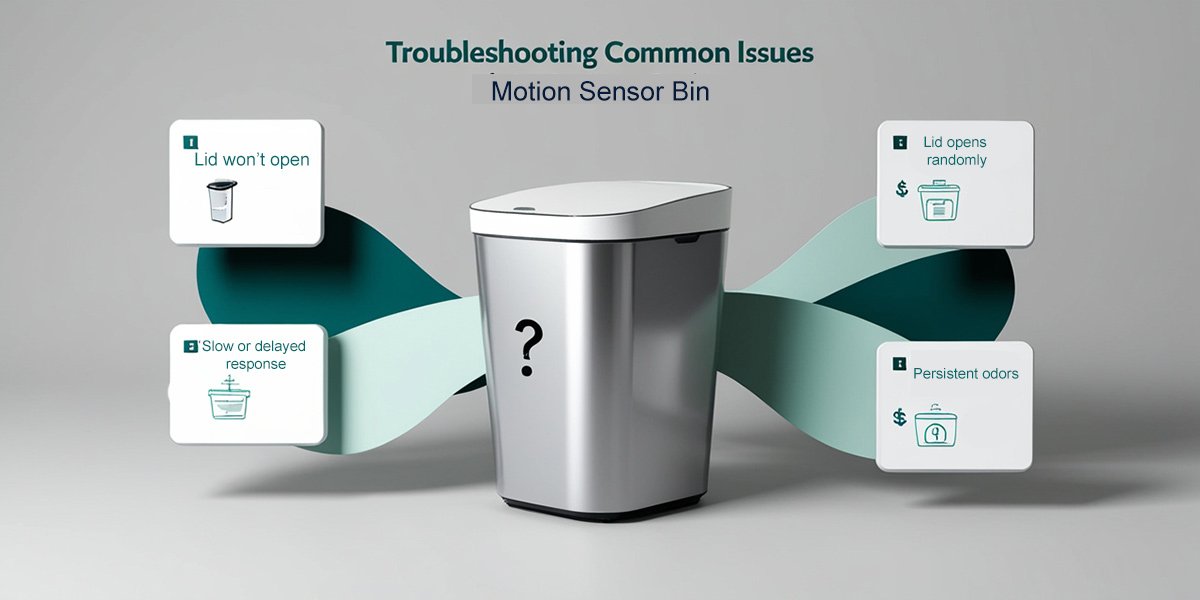
Quick checks and fixes you can try before calling support.
- Lid won’t open: Check battery level, clean sensor lens, and ensure nothing blocks the lid path.
- Slow or delayed response: Replace weak batteries or recharge; wipe the sensor to clear dust.
- Lid opens randomly: Reposition the bin away from direct sunlight or reflective surfaces; reduce sensitivity if available.
- Persistent odors: Empty the bag, deep-clean the interior, and consider a carbon filter or odor-neutralizing sachet.
- Unusual noise: Remove the liner and check for trapped items around the hinge; avoid DIY internal repairs to preserve warranty.
FAQs About Motion Sensor Bins
Here are some of the most frequently asked questions.
Yes. By removing lid-touching, they cut down on transmission points between waste and hands. This is especially helpful during food prep or when caring for sick family members. Fewer contact points mean less frequent disinfecting and a lower chance of passing bacteria to surfaces or food.
Quality bins often last several years (3–5+ years) with normal household use. Lifespan depends on the building materials, electronic quality, and how well you maintain them. Regular cleaning, avoiding moisture near the sensor, and timely battery care extend life significantly.
Battery life varies by model and frequency of use. For a medium-use family, expect disposable batteries to last 1–4 months; rechargeable models often require charging every few weeks. If the lid response slows, that’s the first sign to recharge or replace batteries.
Pets can trigger some models if they move close to the detection zone. To prevent this, place the bin where pets rarely walk or choose models with adjustable sensitivity and detection height to avoid false openings.
Yes, many users switch to compostable liners for food waste. They reduce plastic use and compost piles more easily. Make sure liners fit snugly to prevent slipping and messy leaks.
No, most have quiet motors and soft-close features. Noise levels are generally low, designed to be unobtrusive during nighttime or when kids are sleeping.
Avoid opening the internal motor housing or wiring, and don’t use harsh chemicals on sensors. Following the user guide for cleaning and battery replacement keeps you safe and preserves warranty coverage.
If basic fixes (cleaning the sensor, replacing batteries, resetting the unit) don’t resolve the issue, or you detect electrical smells or water ingress, contact the manufacturer. Those signs indicate deeper faults that may need professional service.
Conclusion
A small, touch-free upgrade can make daily cleaning simpler, safer, and more pleasant. The motion sensor bin reduces contact, traps odors, and fits neatly into modern homes — a practical change that brings quiet benefits.
Ready to continue making your home healthier and smarter? Check out our guide on Smart Water Purifiers to build a complete, low-effort wellness setup for your household.





- Be Respectful
- Stay Relevant
- Stay Positive
- True Feedback
- Encourage Discussion
- Avoid Spamming
- No Fake News
- Don't Copy-Paste
- No Personal Attacks
- Be Respectful
- Stay Relevant
- Stay Positive
- True Feedback
- Encourage Discussion
- Avoid Spamming
- No Fake News
- Don't Copy-Paste
- No Personal Attacks
