Cleaning & Maintenance of Smart Meat Thermometers
Published: 13 Jan 2026
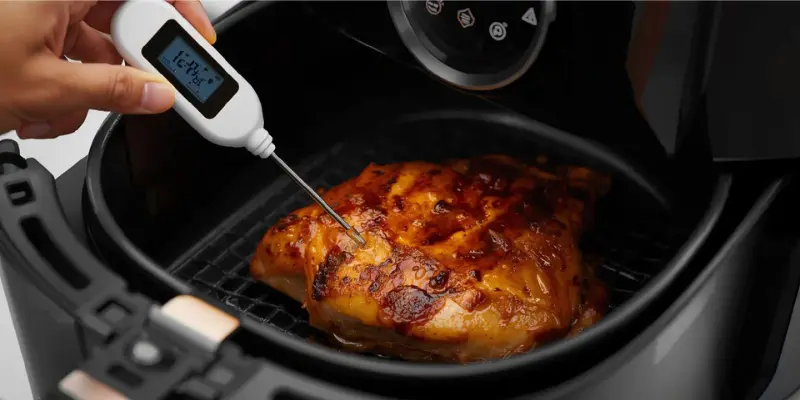
A smart meat thermometer is a handy tool for perfectly cooked meals, but neglecting its care can lead to inaccurate readings or even safety issues. Proper cleaning and maintenance keep your thermometer accurate, safe, and long-lasting, saving you time and frustration in the kitchen.
Many people struggle with dirty or poorly maintained thermometers, which can affect both food safety and taste. By following simple cleaning steps and maintenance tips, you can ensure your thermometer works reliably every time and avoid common problems like bacteria buildup or device damage.
Why Cleaning Your Smart Meat Thermometer Matters
Proper cleaning and maintenance of your smart meat thermometer is more than just a chore—it ensures safety, accuracy, and durability.
- Prevents bacteria buildup and cross-contamination that can make food unsafe.
- Maintains accurate temperature readings, so your meat is always cooked perfectly.
- Extends the lifespan of your thermometer, protecting your investment.
- Keeps the device hygienic, especially after raw meat or poultry.
- Improves reliability, so you can trust every reading during cooking.
Regular cleaning and maintenance make your smart thermometer safe, accurate, and long-lasting, giving you consistent results every time.
Step-by-Step Cleaning Guide
Keeping your smart meat thermometer clean is simple if you follow the right steps. Proper cleaning protects both your device and your food.
1. Cleaning the Probe
- Wipe the probe with a damp cloth or mild soapy water after every use.
- Do not submerge the probe’s electronic parts in water.
- Dry thoroughly with a soft cloth before storing.
- After raw meat or poultry, consider sanitizing with food-safe wipes.
- Regular cleaning prevents bacteria buildup and flavor transfer.
2. Cleaning the Display/Device Unit
- Use a soft, slightly damp cloth to wipe the display and buttons.
- Avoid harsh chemicals or excess water near electronics.
- Remove grease, fingerprints, or residue gently.
- Ensures the device remains readable and fully functional.
3. Cleaning After Cooking Different Meats
- Give extra attention after cooking poultry or raw meat.
- Sanitize if needed to prevent cross-contamination.
- Prevents flavor transfer between different meats during cooking.
Proper cleaning ensures your thermometer stays accurate, safe, and ready for every cooking session.
Maintenance Tips for Longevity
Regular maintenance keeps your smart meat thermometer working accurately and reliably for years.
- Store in a dry, cool place to prevent moisture damage.
- Check battery levels regularly and replace them as needed.
- Avoid dropping or bending the probe, which can damage sensors.
- Calibrate occasionally if your device supports it to maintain accuracy.
- Follow manufacturer instructions for care and maintenance.
By following these tips, your thermometer will remain accurate, safe, and ready for every cooking session.
Common Mistakes to Avoid
Even small mistakes can reduce the accuracy or lifespan of your smart meat thermometer. Being aware of them helps protect your device and keeps your food safe.
- Submerging the device in water – damages electronics and voids warranties.
- Using abrasive cleaners – can scratch the probe or display.
- Ignoring regular maintenance – leads to inaccurate readings and shorter lifespan.
- Improper storage – leaving it in a damp or hot place can cause corrosion.
- Skipping probe cleaning after raw meat – risks cross-contamination and foodborne illness.
Avoiding these mistakes ensures your thermometer stays reliable, safe, and accurate for years.
Top Tips for Safe and Accurate Thermometer Use
Using your smart meat thermometer correctly ensures perfect results and long-lasting performance.
- Clean after every use to prevent bacteria and flavor transfer.
- Always check for cracks or damage before cooking.
- Replace batteries as recommended to avoid inaccurate readings.
- Store in a dry, cool place to protect electronics and probe.
- Follow manufacturer instructions for calibration and care.
- Avoid touching heating elements with the probe to prevent damage.
Following these tips keeps your smart meat thermometer safe, accurate, and ready for every cooking session.
FAQs
1. Can I put my smart meat thermometer in the dishwasher?
No, most smart thermometers have electronic parts that cannot be submerged. Clean the probe with a damp cloth or mild soapy water and wipe the display gently.
2. How often should I calibrate my smart thermometer?
Check the manufacturer’s instructions, but generally once every few months or if readings seem off. Calibration keeps your thermometer accurate and reliable.
3. Can I use alcohol to clean the probe?
Yes, using a small amount of food-safe alcohol can sanitize the probe after raw meat, but avoid letting it touch the display or electronics.
4. What if my thermometer stops giving accurate readings?
Check for dirty or damaged probes, low batteries, or the need for recalibration. Cleaning and proper maintenance usually restore accuracy.
5. How do I store my thermometer safely?
Keep it in a dry, cool place, away from direct heat or moisture. If your thermometer comes with a case, store it inside to protect the probe and electronics.
Conclusion
Proper cleaning and maintenance of your smart meat thermometer is essential for accurate readings, safe cooking, and long-lasting performance. Following simple steps—like cleaning the probe, caring for the display, and storing the device correctly—keeps your thermometer reliable and hygienic.
By avoiding common mistakes and following maintenance tips, you can cook meat safely, consistently, and with confidence every time. Make cleaning and caring for your thermometer a regular habit, and it will serve you well for years to come.





- Be Respectful
- Stay Relevant
- Stay Positive
- True Feedback
- Encourage Discussion
- Avoid Spamming
- No Fake News
- Don't Copy-Paste
- No Personal Attacks
- Be Respectful
- Stay Relevant
- Stay Positive
- True Feedback
- Encourage Discussion
- Avoid Spamming
- No Fake News
- Don't Copy-Paste
- No Personal Attacks
