5 Easy Steps to Adjust Your Electric Iron Thermostat for Perfect Ironing
Published: 7 Dec 2025
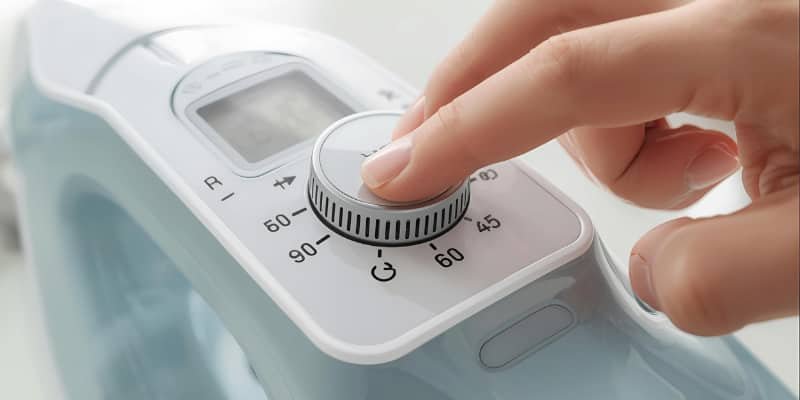
Imagine rushing to get dressed for an important event, only to find your favorite shirt scorched or still wrinkled because your iron was too hot or too cold. This can be frustrating, especially when you’re in a hurry.
Adjusting your electric iron thermostat correctly can solve this problem in minutes. In this guide, we’ll walk you through 5 easy steps to adjust your iron thermostat, helping you achieve perfect ironing every time, safely and efficiently.
Guide to Adjusting Your Iron Thermostat
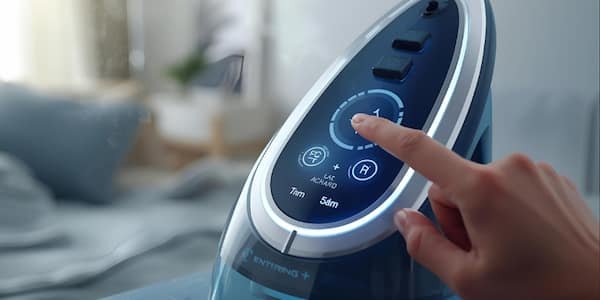
Adjusting your iron thermostat correctly ensures your clothes are perfectly ironed and prevents burns or sticking. Follow these easy steps for both manual and digital irons.
1. Unplug and Let the Iron Cool
Before adjusting, always ensure safety by letting the iron cool completely. This prevents burns or accidental damage.
- Always unplug the iron before making any adjustments.
- Wait until the soleplate is completely cool to avoid burns.
- Keep it on a flat, heat-resistant surface during cooling.
Following these steps keeps you safe and prepares the iron for accurate thermostat adjustment.
2. Locate the Temperature Dial or Digital Display
Knowing where to adjust the temperature is key for accurate ironing and avoiding fabric damage.
- For manual irons, find the rotating temperature dial.
- For digital irons, locate the temperature display or control buttons.
- Make sure the iron is switched “off” before adjusting.
Locating and using the right controls ensures precise heat for your fabrics.
3. Choose the Correct Fabric Setting
Selecting the proper heat level protects your clothes and prevents scorching or sticking.
- Select the setting that matches your fabric type:
- Cotton or linen → High heat
- Wool → Medium heat
- Silk or synthetic → Low heat
Using the correct fabric setting ensures safe, wrinkle-free ironing without damage.
4. Test on a Small Cloth First
Testing prevents mistakes on your main garment and ensures the thermostat is accurate.
- Use a scrap piece of fabric or an inconspicuous area of your garment.
- Apply the iron with steam or dry settings as needed.
- Observe if the fabric reacts well—no burning, sticking, or shiny marks.
Testing first avoids ruined clothes and gives confidence in the iron’s temperature.
5. Adjust and Fine-Tune if Necessary
Minor tweaks help get the perfect ironing temperature for each fabric.
- If the fabric scorches, reduce the temperature slightly.
- If wrinkles remain, increase the temperature in small increments.
- Repeat testing until you find the perfect heat for that fabric type.
Fine-tuning ensures consistent results and keeps both your iron and fabrics safe.
After fine-tuning, if your iron still behaves unusually, check out our detailed steam iron troubleshooting tips to solve common issues quickly.
My Advice: Avoid attempting internal thermostat repairs yourself—these require professional handling to prevent damage or electrical hazards. Regularly checking the dial and testing on small cloths ensures safe, long-term use.
If you’re still having any problems, you can check the detailed Steam Iron Troubleshooting Guide for a step-by-step solution to any of your problems.
Understanding Your Electric Iron Thermostat
Knowing how your iron thermostat works helps you adjust it safely and avoid fabric damage.
How the Thermostat Works
The thermostat regulates the iron’s temperature to keep it stable while ironing.
- It monitors the soleplate heat and automatically switches the heating element on or off.
- Maintains consistent heat for your selected fabric setting.
- Prevents overheating and protects your garments.
Understanding this helps you use the iron efficiently without guesswork or risk.
Manual vs Digital Thermostats
Different irons have different controls, and knowing the type ensures accurate adjustments.
- Manual Dial: Rotating knob with marked fabric types or temperature levels.
- Digital Display: Buttons or touchscreen controls showing exact temperature.
- Hybrid Models: May combine both dial and digital features.
Knowing your iron type ensures you select the right setting every time.
Common Thermostat Issues
A faulty or misaligned thermostat can cause overheating or insufficient heat.
- Fabric scorches or burns unexpectedly.
- Iron doesn’t heat properly, leaving wrinkles.
- Steam output may become inconsistent.
Being aware of these issues helps you identify when adjustment or professional repair is needed.
Common Mistakes to Avoid
Avoiding these mistakes ensures your thermostat adjustments are safe and effective, protecting both your clothes and your iron.
Setting the Temperature Too High or Too Low
Incorrect temperature can scorch or under-iron fabrics.
- High heat can burn delicate fabrics like silk or synthetics.
- Low heat leaves wrinkles, wasting time and effort.
- Skipping testing can lead to permanent fabric damage.
Choosing the correct temperature ensures safe, efficient ironing every time.
Ignoring Fabric Type
Different fabrics require different heat levels for best results.
- Cotton and linen need higher heat.
- Wool, silk, and synthetics need lower heat.
- Using the wrong setting repeatedly damages fibers.
Matching heat to fabric type protects garments and improves ironing quality.
Attempting Internal Repairs Yourself
DIY repairs on the iron’s thermostat can be dangerous.
- Risk of electric shock or burns.
- Can permanently damage the iron’s internal components.
- Professional repair is safer and ensures proper functioning.
Leaving internal repairs to experts keeps you and your iron safe.
Tips for Long-Term Iron Thermostat Care
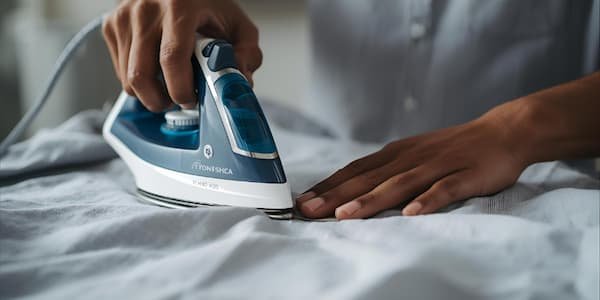
Caring for your iron’s thermostat extends its lifespan and keeps your clothes safe. Simple habits go a long way.
Regular Inspection and Cleaning
Frequent checks prevent buildup and maintain accurate heat.
- Inspect the temperature dial or digital display for damage.
- Clean the soleplate regularly to avoid residue affecting heat transfer.
- Flush water tanks with distilled water to prevent mineral deposits.
Consistent inspection and cleaning ensure your iron continues to work efficiently.
To learn more about keeping your garments wrinkle-free and fresh, check out our detailed Benefits of Steaming Clothes guide
Use the Right Water
Water quality affects the thermostat and steam output.
- Use distilled water to prevent mineral buildup in vents.
- Avoid tap water in hard water areas.
- Empty the tank after each use to reduce sediment.
Proper water use protects your iron and maintains steady steam.
Avoid Frequent Overheating or Resets
Overuse or constant resets can wear down the thermostat.
- Don’t leave the iron on high heat for long periods.
- Use the auto-shutoff feature when pausing.
- Reset only when necessary, following manufacturer instructions.
Moderate use and careful handling help the thermostat last longer and perform reliably.
FAQs: Adjusting Your Electric Iron Thermostat
You may notice the iron overheating, underheating, or producing uneven steam. Clothes might scorch even on low settings, or wrinkles may remain despite ironing. If these issues persist, the thermostat could be faulty and may need professional inspection.
To adjust a digital iron thermostat, turn on the iron and select the desired temperature using the display, then use the + or – buttons and wait for it to heat before ironing.
To change an iron’s thermostat, turn the iron on, locate the temperature dial or digital controls, select the desired fabric setting or temperature, and wait for the iron to reach that temperature before use.
A thermostat in an electric iron controls temperature using a bimetallic strip. When the iron reaches the set heat, it cuts off the current. As it cools, the current resumes, keeping temperature stable.
Always match the temperature setting to your fabric type and test on a small area first. Using the right setting prevents scorching, sticking, and shiny marks, keeping clothes in perfect condition.
Keep Your Iron Accurate and Safe for Perfect Results
Adjusting your electric iron thermostat correctly makes ironing easier, faster, and safer. Following the 5 easy steps ensures your clothes stay wrinkle-free without scorching or sticking, and your iron works efficiently for years.
Regular care, proper settings, and small habits like testing on a scrap cloth go a long way. By keeping your thermostat accurate and avoiding common mistakes, you can enjoy smooth, professional-looking results every time you iron.






- Be Respectful
- Stay Relevant
- Stay Positive
- True Feedback
- Encourage Discussion
- Avoid Spamming
- No Fake News
- Don't Copy-Paste
- No Personal Attacks
- Be Respectful
- Stay Relevant
- Stay Positive
- True Feedback
- Encourage Discussion
- Avoid Spamming
- No Fake News
- Don't Copy-Paste
- No Personal Attacks
